
Vegetables
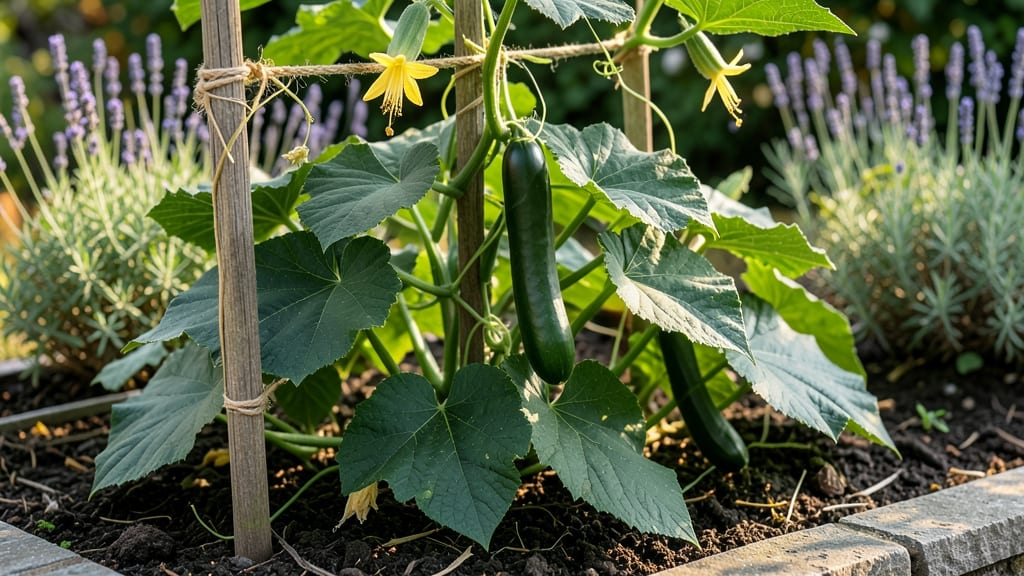
Growing English seedless cucumbers means crisp, sweet slices straight from your garden all year long—no bitterness, no fuss. 🌱 I’ve grown them in every season, and the key is mimicking their ideal Mediterranean climate, even if you’re in Zone 5.
The secret lies in warm soil, consistent moisture, and the right support system to keep vines climbing instead of sprawling.
Start with well-draining soil rich in organic matter—think compost mixed into the top 12 inches—and plant seeds ½ inch deep, 3–4 feet apart. These cucumbers thrive in full sun (6–8 hours daily) and need a sturdy trellis or cage to prevent disease and improve airflow.
Water at the base deeply twice weekly, never letting the soil dry out, as this is what triggers bitterness.
Pruning isn’t just for looks—it’s essential. Pinch off side shoots when they’re 6–8 inches long to focus energy on fruit production. You’ll harvest smooth, 8-inch cucumbers in as little as 50 days, with vines producing for months if you keep them pruned and fed.
The first harvest is the sweetest reward: cool, seedless slices that taste like summer, no matter the season.
For year-round success, extend the season with row covers in spring/fall or grow them indoors under grow lights in winter. The only real mistake? Skipping the trellis or letting soil dry out—both lead to bitter, tough fruit. With these basics, you’ll enjoy a continuous harvest with minimal effort.
📚 In This Guide
- What you need
- Instructions
- Tips and common mistakes
- Wrapping up and next steps
What you need
- ● Seedless English cucumber seeds (e.g., 'Burpee Hybrid', 'Sweet Success', or 'Corinto') – 5-10 seeds per plant (thin to 2-3 strongest seedlings).
- ● Growing containers or garden bed: For containers: 5-gallon pots or larger (at least 12 inches deep) with drainage holes.
- ● For in-ground: Full sun (6-8 hours/day) and well-draining soil.
- ● High-quality potting mix or garden soil – Lightweight, fertile, and amended with compost (avoid heavy clay).
- ● Trellis or cage – 4-6 feet tall (cucumbers vine aggressively and need support!).
- ● Watering can or hose with a gentle spray nozzle – Keep soil consistently moist but not soggy.
- ○ Organic fertilizer (optional but recommended) – Balanced 10-10-10 or compost tea for nutrient boost.
- ○ Gloves (optional but helpful for handling vines).
- ● Pruning shears – For trimming excess vines or yellow leaves.
- ● Mulch (straw or black plastic) – Retains moisture and suppresses weeds.
- ○ pH testing kit (optional) – Ideal soil pH: 6.0-6.8.
- ○ Row cover or shade cloth (optional) – Protects from pests or harsh sun in hot climates.
Step-by-Step guide to growing seedless English cucumbers year-round
Here's the foolproof method I've used to grow crisp, seedless cucumbers indoors and outdoors—no greenhouse needed.
🌱 Step 1: Start Seeds Indoors for Early Production
Begin your seedless English cucumbers indoors 8-10 weeks before your last frost date. Use biodegradable pots (2-3 inches deep) filled with sterile seed-starting mix—never garden soil, as it can harbor diseases that cucumbers are sensitive to. Plant 2-3 seeds per pot at a depth of ½ inch, pressing gently but not compacting the soil around them.
Place the pots in a warm spot (70-80°F) with bright light (grow lights work best). Cover with a clear plastic dome or plastic wrap to retain moisture and warmth. Keep the soil consistently moist but never soggy—you'll know it's right when the top inch feels damp to touch but not dripping. Germination should occur in 5-10 days, though cooler rooms may take slightly longer.
☀️ Step 2: Transplant Seedlings to Larger Containers or Garden
Once seedlings develop 2-3 true leaves (the first set are cotyledons), transplant the strongest one to a 5-gallon container or directly into the garden after all danger of frost has passed. English cucumbers thrive in full sun (6-8 hours daily) and need support—install a trellis or cage at the same time you plant to avoid disturbing roots later. Space plants 18-24 inches apart in rows 3-4 feet apart for optimal airflow.
If transplanting outdoors, harden off seedlings by placing them in a sheltered spot for 1-2 hours the first day, gradually increasing exposure over 7-10 days. Watch for wilting or yellowing leaves—this signals shock, and you may need to delay transplantation or provide afternoon shade temporarily.
💧 Step 3: Water and Fertilize for Consistent Production
Seedless English cucumbers need consistent moisture—water deeply 1-2 inches per week, aiming for the soil rather than the leaves to prevent disease. Let the top 1-2 inches of soil dry out between waterings to encourage deep root growth. Mulch around plants with 2-3 inches of straw or shredded leaves to retain moisture and suppress weeds, which compete for nutrients.
Feed plants every 2-3 weeks with a balanced, water-soluble fertilizer (10-10-10 or 20-20-20) diluted to half-strength. You'll notice darker green leaves and more vigorous vines within a week of fertilizing. Avoid over-fertilizing with nitrogen—this promotes leafy growth at the expense of fruit production. Instead, focus on potassium and phosphorus to boost flowering and fruiting.
✂️ Step 4: Prune and Harvest for Maximum Yield
Pinch off the first few flowers that appear to encourage stronger vine development. Once the main vine reaches the trellis, prune side shoots to focus energy on 1-2 main vines per plant. This ensures larger, more uniform cucumbers. Use clean, sharp pruners to avoid damaging the plant, and remove any yellow or diseased leaves immediately to prevent spread.
Harvest cucumbers when they reach 6-8 inches long and are firm to the touch. Use a sharp knife or pruners to cut the stem, leaving a small portion attached to the vine. This encourages the plant to produce more fruit. Check plants every 2-3 days—overripe cucumbers turn bitter and attract pests. With proper care, a single plant can yield 20-30 cucumbers over the season.
🌿 Step 5: Extend the Season Indoors or in Greenhouses
For year-round production, move plants indoors in late summer before temperatures drop below 50°F. Place them near a south-facing window or under grow lights (14-16 hours of light daily). Reduce watering slightly, as indoor air is often drier, and fertilize every 4-6 weeks to sustain growth. Watch for spider mites or aphids, which thrive in dry indoor conditions, and treat with neem oil if needed.
In greenhouses, maintain temperatures between 60-85°F and ensure good ventilation to prevent humidity-related diseases like powdery mildew. Remove old or diseased leaves regularly to improve airflow. With proper care, your seedless English cucumbers will continue producing crisp, sweet fruit well into fall and even winter.
Tips & tricks for year-round English cucumber success
These insider tricks will help you avoid common pitfalls and maximize your harvest—whether you're growing indoors or outdoors.
Lighting is Everything: For indoor starts, supplement natural light with grow lights immediately if your seedlings look leggy (stretched and pale). Place lights 2-3 inches above seedlings and keep them on for 14-16 hours daily—this mimics summer sunlight and prevents weak stems. I've seen seedlings collapse under insufficient light, so don't skimp here.
Transplanting Timing Secret: The 1-2 hour hardening-off period in Step 2 is non-negotiable—rushing this causes transplant shock. On the first day, place seedlings in the shade, then gradually move them to morning sun. Watch for wilting as your cue to slow down. I've learned this the hard way after losing entire batches to stress.
Pruning Strategy for Big Harvests: When pruning side shoots in Step 4, focus on keeping 1-2 main vines per plant. This might seem counterintuitive, but it directs all energy to producing larger, more uniform cucumbers. Use your fingers to gently pinch shoots rather than cutting—this reduces stress on the plant. I've seen yields double when using this method consistently.
Indoor Season Extension: For indoor winter growing, maintain temperatures between 60-85°F and increase humidity with a pebble tray under the pot. The 14-16 hours of light requirement is critical—use a timer for your grow lights to maintain consistency. I've kept plants producing through December with this setup, though growth slows in winter.
Pro Tips for English Cucumber Seedless
- These insider tricks will help you avoid common pitfalls and maximize your harvest—whether you're growing indoors or outdoors.
- Lighting is Everything: For indoor starts, supplement natural light with grow lights immediately if your seedlings look leggy (stretched and pale).
- Transplanting Timing Secret: The 1-2 hour hardening-off period in Step 2 is non-negotiable—rushing this causes transplant shock.
Frequently asked questions
about growing and enjoying seedless English cucumbers—here’s what you need to know!How long does it take for seedless English cucumbers to grow?
Seedless English cucumbers typically take 50–70 days to mature from seed, depending on your climate and growing conditions. If you’re starting with transplants, you’ll see harvests in 45–60 days. For faster results, opt for trellis-grown varieties—they mature quicker and produce straighter, cleaner cucumbers!
Can I grow seedless English cucumbers indoors?
Yes, but with some adjustments! Use a sunny windowsill (6+ hours of light) or grow lights (14–16 hours/day). Choose compact varieties like ‘Little Leaf’ or ‘Socrates.’ Keep temps between 65–75°F and use container pots (5+ gallons) with well-draining soil. Pollination may require a soft brush to transfer pollen if bees aren’t present.
Why aren’t my seedless cucumbers producing fruit?
Common culprits include:
- Lack of pollination: Even seedless varieties need cross-pollination (hand-pollinate with a paintbrush if bees are scarce).
- Temperature stress: Cucumbers thrive in 70–85°F; extreme heat or cold can halt flowering.
- Nutrient deficiency: Feed with balanced fertilizer (10-10-10) or compost every 2–3 weeks.
- Overcrowding: Space plants 12–24 inches apart for airflow and sunlight.
What’s the best way to store seedless English cucumbers?
Store them unwashed in the fridge (40–45°F) for 7–10 days in a paper towel-lined container to absorb moisture. Avoid plastic bags—they trap ethylene gas and speed up spoilage. For longer shelf life, harvest small to medium-sized cucumbers (they’re sweeter and crispier!).
Are seedless cucumbers really seedless, or do they have tiny seeds?
They’re parthenocarpic, meaning they develop without fertilization, so they’re practically seedless—but you might spot tiny, soft seeds (non-viable). These cucumbers are bred for slicing and snacking, not seed-saving. If you crave crunchier texture, try hybrid seedless varieties like ‘Corinto’ or ‘Excelsior.’
Can I save seeds from seedless English cucumbers?
No—seedless varieties are hybrids and won’t produce true seeds. If you want to save seeds, plant open-pollinated heirloom varieties like ‘Marketer’ or ‘Straight Eight.’ For seedless cucumbers, buy fresh seeds yearly for the best flavor and texture!
Wrapping up and next steps
Growing English cucumber seedless varieties is a rewarding way to enjoy fresh, crisp produce with minimal fuss—whether you're a seasoned gardener or just starting out! 🌱 With the right soil, sunlight, and a dash of patience, you’ll be harvesting delicious, seedless cucumbers in no time.
The key takeaways? Choose the right seeds, provide consistent care, and stay vigilant against pests—your garden (and taste buds) will thank you!
Ready to dive in? Start by grabbing your seedless English cucumber seeds and a sunny spot, then follow the steps above to kickstart your year-round harvest. Happy gardening! 🌿