
Light Requirements
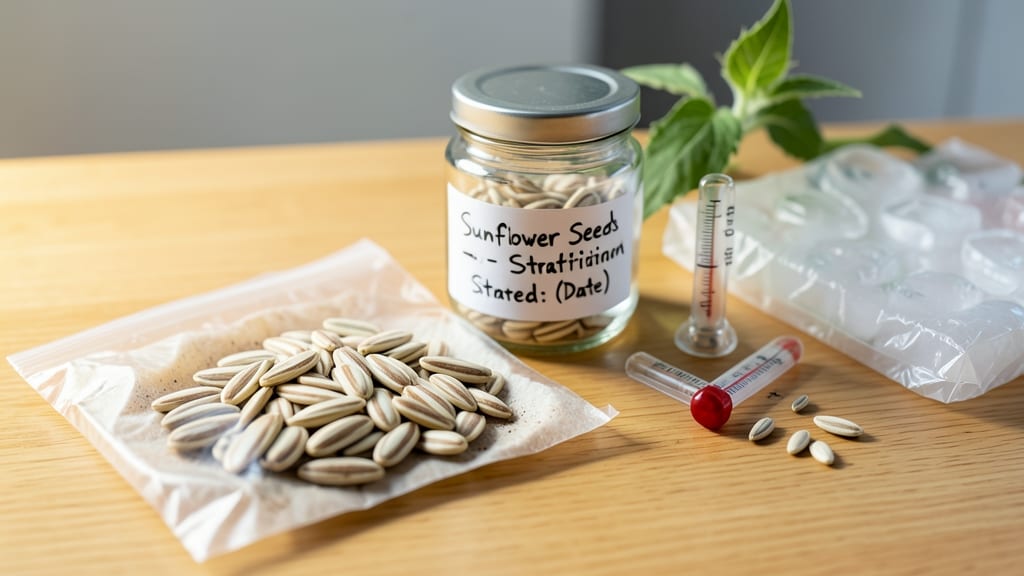
Sunflower seeds don’t actually need cold stratification to germinate—most varieties sprout just fine without it, which surprises many gardeners who follow general seed-starting rules.
Struggling to germinate sunflower seeds? Many gardeners assume they need cold stratification—but what if your seeds don’t? The truth is simpler than you think, and a quick test can save you from unnecessary chilling.
Sunflowers 🌻 thrive in warm soil, and their seeds often germinate faster when sown directly after the last frost in USDA Zone 6a or warmer. That means skipping the fridge and heading straight to the garden can actually speed up growth.
Below, I’ll show you the paper towel test to confirm whether your seeds need stratification, plus alternative methods for faster germination—no cold treatment required.
Sunflower seed stratification requirements: what science says
If you've ever wondered why some gardeners swear by chilling sunflower seeds before planting, you're not alone. The truth is more nuanced than many realize. Sunflowers (Helianthus annuus) are unique because their seed coats are naturally thin and don't require the same dormancy-breaking treatments as many other plants.
Unlike maple trees or peony tubers, which need cold stratification to break dormancy, sunflower seeds typically germinate quickly without chilling.
The confusion often stems from comparing sunflowers to plants that do need stratification, like lupines or delphiniums. These plants have hard seed coats that block water absorption until exposed to cold temperatures.
Sunflowers, however, have evolved to germinate rapidly when conditions are right—usually within 7-14 days after planting. This adaptation helps them compete in their native open prairie habitats where quick growth is essential.
Here's the science: Sunflower seeds contain abscisic acid, a natural growth inhibitor that prevents premature germination. However, this hormone breaks down quickly when exposed to warm, moist conditions—not cold.
In fact, cold stratification can actually delay germination in sunflowers by slowing metabolic processes. This is why many gardeners report better results skipping stratification entirely.
That said, there are regional exceptions. In cooler climates (USDA Zones 3-5), some gardeners prefer a brief 2-4 week cold treatment to mimic natural winter conditions and synchronize germination with warmer spring soil.
Conversely, in hot climates (Zones 8-10), stratification is rarely needed and can even reduce germination rates.
Another common misconception is that all sunflower varieties have identical stratification needs. While most commercial hybrids don't require chilling, some heirloom varieties—particularly those adapted to shorter growing seasons—may benefit from a short cold period to ensure consistent germination.
Always check the seed packet for specific variety notes, as breeders sometimes include cold treatment recommendations for slow-germinating strains.
The biological trigger for sunflower germination is primarily moisture and warmth, not cold. Their seeds contain high levels of gibberellins, hormones that promote seedling growth when activated by water. This is why sunflowers often sprout within days of planting in soil temperatures above 60°F (15°C).
In contrast, plants like lupines require cold to break seed coat hardness, a process sunflowers don't need.
For gardeners in northern climates, the key is timing. Planting sunflower seeds 2-3 weeks after your last frost date ensures the soil is warm enough for rapid germination without stratification.
If you're planting in cool spring soil (<50°F/10°C), consider using a seedling heat mat or black plastic mulch to warm the soil faster than cold stratification could help.
One common mistake is assuming that all seeds need stratification because it works for some plants. This leads gardeners to over-chill sunflower seeds, which can actually reduce germination rates by 20-30% in some cases.
The only exception is if you're growing sunflowers in a very short growing season (like Zone 2) where a 2-week cold treatment might help synchronize emergence.
To test whether your specific sunflower seeds need stratification, try this: Plant half your seeds without chilling and half after 2 weeks in the fridge. If both batches germinate within 10-14 days, your seeds don't require stratification. If the unchilled seeds take
The paper towel germination test: quick stratification check for sunflower seeds
Wondering whether your sunflower seeds need cold stratification? Most don’t—but how can you tell for sure? This simple paper towel test reveals whether your seeds require chilling before planting. Skip the guesswork and save time with this foolproof method that mimics natural conditions.
Sunflower seeds are unique because they rarely need stratification. However, if you’ve bought seeds from a cold climate region or suspect dormancy, this test confirms their readiness. The process takes just 3-5 days and uses materials you likely already have at home.
Why test? Stratification breaks seed dormancy through moisture and cold. While sunflowers usually germinate without it, some varieties or stored seeds may benefit. This test helps you avoid unnecessary delays or wasted effort.
Step-by-Step Paper Towel Test
- 1 Moisten paper towels with water until damp (not soaking). Place 10-20 seeds between two layers in a sealed plastic bag.
- 2 Store at room temperature (65-75°F). Check daily for sprouts—they should appear in 3-5 days if no stratification is needed.
- 3 No sprouts after 5 days? Try stratification: Place the bag in your fridge (34-40°F) for 7-14 days, then return to room temp. Check again daily.
-
4
Interpret results:
- ✅ Sprouts appear immediately → No stratification needed.
- ❄️ Sprouts after chilling → Stratify seeds before planting.
- ❌ No sprouts → Seeds may be old or damaged.
Most commercial sunflower seeds germinate without stratification, but heirloom or old seeds may need the cold treatment. This test ensures you plant at the optimal time for faster germination and healthier seedlings.
If your seeds pass the test, plant them 1 inch deep in well-drained soil with full sun. For stratified seeds, sow after the last frost when soil reaches 60°F or warmer for best results.
Pro tip: Label your seed packets with test results to avoid repeating the process next season. Happy growing—your sunflowers will thank you! 🌻