
Light Requirements
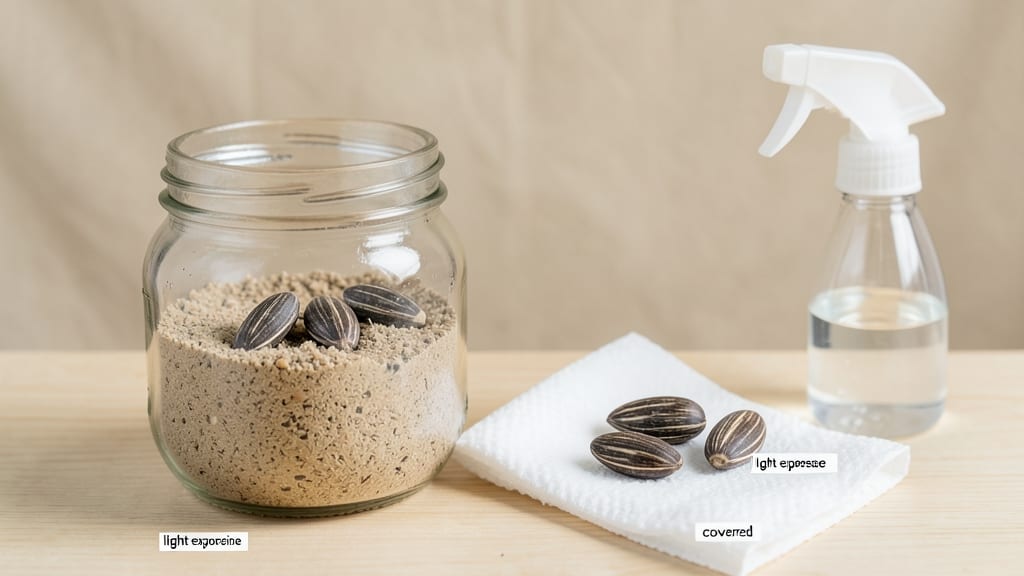
Sunflower seeds don’t need light to germinate—plant them 1-2 inches deep in dark soil, and they’ll sprout just fine.
Struggling to grow sunflowers? The answer to whether your seeds need light to germinate could be the missing piece of your gardening puzzle—and it’s not what most gardeners assume.
Here’s the truth: sunflower seeds are skotoblastic, meaning they germinate best in darkness. The key is keeping soil moist, warm, and loose while protecting them from light until they break through.
Once they sprout, though, those 🌻 seedlings will race for the sun. Below, I’ll show you the exact planting depth, soil conditions, and troubleshooting tips to turn every seed into a towering sunflower.

Do sunflower seeds need light to germinate? The science behind germination
If you've ever wondered whether your sunflower seeds need light to sprout, you're not alone. Many gardeners assume seeds need sunlight to germinate, but the truth might surprise you. Sunflower seeds actually belong to a special category called skotoblastic seeds, which means they don't require light to start growing.
This unique trait allows them to thrive even when buried under soil, where they can access moisture and warmth without competing for sunlight.
The confusion often comes from mixing up germination needs with the plant's later growth stages. While seeds don't need light to sprout, seedlings absolutely crave sunlight once they emerge. Understanding this distinction can dramatically improve your sunflower germination rates and overall success in growing these cheerful giants.
| Germination Requirement | Light Dependency | Ideal Soil Depth (inches) | Key Factors for Success | Common Mistakes to Avoid |
|---|---|---|---|---|
| Sunflower seeds | Skotoblastic (light NOT required) | 1–2 inches | Moisture, warmth (70–90°F), loose soil | Overwatering, planting too deep |
| Photoblastic seeds (e.g., lettuce) | Light REQUIRED | Surface or shallow | Consistent moisture, indirect light | Over-planting, dry soil |
The science behind seed germination reveals that sunflower seeds are skotoblastic, meaning they can germinate in complete darkness. This is different from photoblastic seeds like lettuce, which require light to trigger germination.
The key to successful sunflower germination lies in providing the right conditions underground: consistent moisture, proper soil temperature, and adequate depth. When planted 1–2 inches deep, sunflower seeds have the best chance to access moisture while avoiding rot from overwatering.
One common misconception is that burying seeds too deep will prevent them from getting enough light. However, sunflower seeds don't need light to germinate—they need moisture and warmth. The soil blocks light, but it also protects seeds from drying out and provides a stable environment.
Think of it like creating a cozy nest where your seeds can focus on sprouting without competing for sunlight, which they won't need until they break through the soil surface.
Temperature plays a crucial role in sunflower germination. These seeds thrive in soil temperatures between 70–90°F (21–32°C). If your soil is too cold, germination will slow down or even stall.
You can use tools like seedling heat mats or black plastic mulch to warm the soil faster, especially in cooler climates. Once the soil reaches the ideal temperature range, your seeds will start germinating within 7–14 days, depending on the variety and conditions.
While light isn't necessary for germination, it becomes critical once your sunflower seedlings emerge. At this stage, they need full sunlight (6–8+ hours daily) to grow strong and healthy. The transition from darkness to light is seamless for sunflowers because their seeds are designed to handle both environments.
This dual adaptability makes them one of the easiest flowers to grow, even for beginner gardeners.
To maximize your sunflower germination success, focus on creating the perfect underground environment. Start with well-draining soil mixed with compost to ensure proper moisture retention and aeration. Plant your seeds 1–2 inches deep and keep the soil consistently moist but not soggy.
Avoid compacting the soil around the seeds, as this can hinder root development and water absorption.
If you're still unsure about whether your seeds need light, try a simple experiment: plant some seeds in a shallow tray with just enough soil to cover them lightly, and others buried 1–2 inches deep.
You'll likely see similar germination rates in both, proving that sunflower seeds don't require light to sprout. The real magic happens when those first green shoots break through the soil and reach for the sunlight.
Remember, the goal during germination is to create a stable, moisture-rich environment where seeds can focus on developing roots and sprouts. Once they've emerged, you can shift your attention to providing the bright, sunny conditions they'll need to grow into those towering, cheerful plants we all love.
With the right approach, you'll be enjoying a sunflower garden that's the envy of the neighborhood.
Best soil depth and conditions for planting sunflower seeds
Sunflower seeds are surprisingly forgiving when it comes to soil conditions, but getting the depth and moisture right makes all the difference. Unlike many seeds that need light to germinate, sunflowers thrive in dark, moist soil—just 1–2 inches below the surface.
This protects them from drying out while still allowing roots to establish quickly. Let’s break down the exact conditions your seeds need to sprout reliably and avoid common pitfalls that stall germination.
First, soil temperature is critical—sunflowers germinate best when soil reaches 70–90°F (21–32°C). If your climate is cooler, use black plastic mulch or a seedling heat mat to create a warmer microclimate. Cold soil below 50°F (10°C) can delay germination for weeks, leaving seeds vulnerable to rot or drying out.
Test your soil’s warmth by pressing your finger into the ground; if it feels cool to the touch, wait a few more days before planting.
Optimal Planting Depth
Plant sunflower seeds 1–2 inches deep in loose soil. This depth balances moisture retention with oxygen flow, preventing rot while keeping seeds dark enough to germinate. Deeper than 2 inches risks poor sprouting due to lack of oxygen.
Soil Moisture Matters
Keep the soil consistently moist but never soggy. Use a spray bottle to mist the soil lightly if it feels dry to the touch. Overwatering can suffocate seeds, while dry soil halts germination. Aim for even moisture without puddles.
Warmth Accelerates Germination
Sunflowers germinate fastest in warm soil (70–90°F). In cooler climates, use row covers or black plastic mulch to raise soil temperature. If planting in containers, place them in a sunny spot or use a seedling heat mat for consistent warmth.
Loose Soil = Better Roots
Avoid compacted soil, which restricts root growth. Mix in compost or sand to improve drainage and aeration. Loose soil lets roots penetrate easily, giving seedlings a strong start. Test soil texture by squeezing a handful—it should crumble, not clump.
If your sunflower seeds aren’t sprouting within 7–14 days, don’t panic—check for three common issues: cold soil, overwatering, or seeds planted too deep. For stubborn seeds, try soaking them overnight in warm water before replanting.
This rehydrates the seed coat and can kickstart germination. Always plant in well-draining soil to prevent rot, especially in containers where water can pool.
Once your sunflowers sprout, they’ll need full sunlight to grow tall and strong—but their seeds don’t. This duality is why sunflowers are such resilient plants. Focus on keeping the soil moist and warm during germination, then transition to bright, sunny conditions as seedlings emerge.
With the right depth and care, you’ll see those familiar cotyledons (first leaves) within two weeks!
Pro tip: Mark your planting spots with biodegradable flags to avoid disturbing seeds while they germinate. Sunflowers are heavy feeders, so add a balanced fertilizer (like 10-10-10) once they’re 6 inches tall. But for now, let them focus on roots—your future giant blooms depend on it!