
Companion Plants
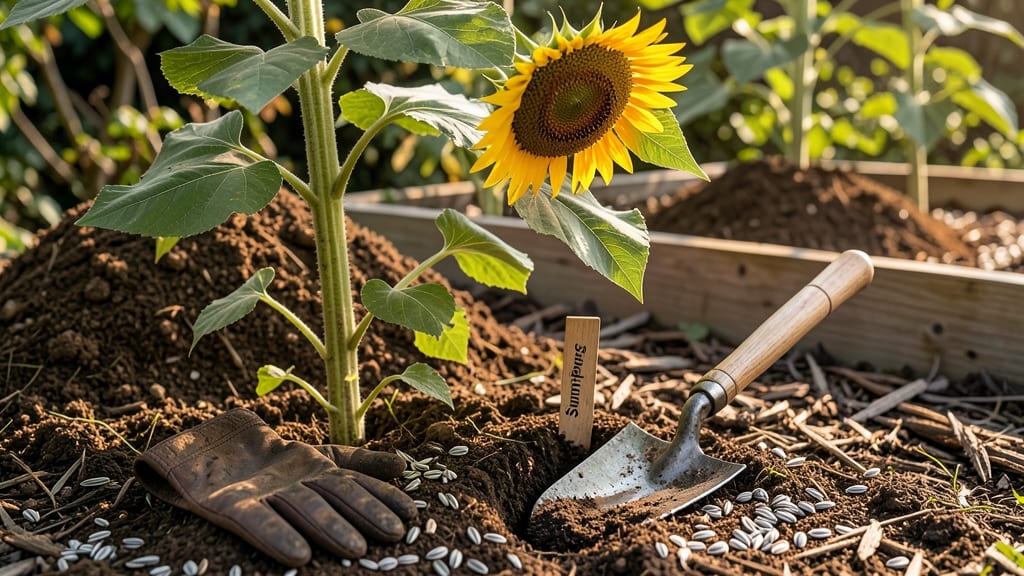
Planting sunflower seeds in Colorado after the last frost date—typically late April to early June—ensures your towering 🌻 blooms thrive across the state’s varied elevations.
Miss that window, though, and you risk frost damage or stunted growth, especially in high-altitude zones where chilly nights linger longer. Colorado’s diverse climate means Front Range gardeners can start earlier than those on the Western Slope, where cooler temperatures delay the season.
Below, I break down the exact planting dates by elevation, soil prep tips for rocky mountain beds, and how to protect young seedlings from late frosts or drought—so you can grow sunflowers that reach their full 10-foot-plus potential.
You’ll also find the best sunflower varieties for Colorado’s short growing season, from dwarf types for containers to giants that dominate summer landscapes.
Colorado sunflower planting dates by elevation Zone (with frost risk charts)
Colorado’s dramatic elevation changes—from the high plains to mountain valleys—mean your sunflower planting schedule should shift dramatically. At 3,000 feet, you might plant in early May, while high-altitude gardens above 9,000 feet often wait until June.
Understanding your last frost date and hardiness zone (USDA 5-7) is critical to avoid frost damage to young seedlings.
Sunflowers thrive in Colorado’s long summer days, but their 60-120 day growth cycle demands precise timing. Plant too early, and late frosts will nip tender sprouts. Too late, and you’ll miss the peak bloom season (July–September).
Below, I’ve broken down the ideal planting windows by elevation, including frost risk charts and adjustments for direct sowing versus transplanting.
🌱 Key Tip: Always test your soil temperature—sunflower seeds need 50°F+ soil to germinate. Use a soil thermometer or wait until nighttime lows stay above 40°F.
For lowland areas like Denver or Colorado Springs (3,000–5,000 ft), aim to plant direct-sown seeds between April 20 and May 15. These regions have the longest frost-free season (150–180 days), allowing time for giant varieties like ‘Mammoth’ (120 days to maturity) to thrive.
Start seeds indoors by April 1 if transplanting, ensuring they’re hardened off before the last frost.
At mid-elevations (5,000–7,500 ft), such as Fort Collins or Boulder, shift your timeline later. Direct sow after May 10 to avoid late spring frosts, which are common in USDA Zone 5.
Choose faster-maturing varieties (60–80 days) like ‘Autumn Beauty’ or ‘Teddy Bear’ to ensure blooms before first frost (typically October 15).
High-altitude gardens above 7,500 feet (e.g., Aspen or Leadville) face the shortest growing seasons. Wait until June 1 for direct sowing, or start seeds indoors by May 1 for transplanting. Opt for dwarf or cold-hardy varieties like ‘Sunspot’ (50–60 days) or ‘ProCut’ (hybrid for short seasons).
Use row covers or black plastic mulch to warm soil and extend the season by 2–3 weeks.
🌿 Pro Tip: If you’re in a microclimate (e.g., a south-facing slope or urban heat island), adjust your dates 1–2 weeks earlier. Conversely, valleys or windy high plains may need a 2-week delay.
For transplants, harden off seedlings for 7–10 days before moving them outdoors. Acclimate them to Colorado’s wind and temperature swings by gradually increasing exposure. Avoid transplanting after June 15 in high-altitude zones, as seedlings may not mature before frost.
🌻 Varietal Adjustments: Native sunflowers (e.g., Helianthus annuus) are more cold-tolerant than hybrids but may have shorter stems. Hybrids like ‘Russian Giant’ need full sun and heat, so they’re best for lowland areas.
How to adjust planting for Colorado’s microclimates and soil conditions
Colorado’s dramatic elevation shifts mean your sunflower seeds face wildly different challenges depending on location. In cold mountain valleys, late frosts linger until mid-May, while wind-swept high plains dry out seeds before germination.
Meanwhile, rocky soils in the mountains drain too quickly for tender seedlings. The key is adapting your approach to match these conditions—without sacrificing those showstopping 10-foot blooms.
Start by testing your soil temperature before planting. Sunflower seeds need soil at least 55°F (13°C) to sprout reliably. Use a soil thermometer for 3–5 days to confirm consistency.
In high-altitude areas (7,500+ ft), wait until late May or early June when soil warms enough, even if frost dates suggest earlier planting. This small delay prevents seed rot and ensures vigorous growth.
- Cold Valleys: Extend season with black plastic mulch (raises soil temp by 5–10°F). Plant dwarf varieties (e.g., 'Teddy Bear') for earlier harvests.
- Wind-Prone Plains: Use windbreaks (corn stalks or mesh) to shield seedlings. Plant seeds 1.5 inches deep for better anchorage.
- Rocky Soils: Amend with compost + perlite (50/50 mix) to improve drainage and water retention. Test pH—aim for 6.0–7.0.
- Urban Heat Islands: Mulch with straw to retain moisture. Water deeply every 3–4 days in June–July to prevent bolting.
- Companion Plants: Pair with basil or marigolds to deter pests and improve soil structure. Avoid planting near tomatoes (competes for nutrients).
For windy high plains, create a protective barrier using corn stalks or mesh windbreaks on the north and west sides of your planting area. This reduces desiccation and prevents seedlings from toppling.
Another trick: press seeds 1.5 inches deep instead of the usual 1 inch—the extra depth helps anchor them against gusts. In rocky mountain soils, blend compost and perlite (50/50 ratio) into the top 6 inches of soil before planting. This improves drainage while retaining enough moisture for germination.
Mulching is your secret weapon for extending the growing season in Colorado’s unpredictable climate. Apply straw or wood chips (2–3 inches thick) after seedlings emerge. This moderates soil temperature swings, suppresses weeds, and keeps moisture levels stable—critical in dry June heat or chilly September mornings.
For late-season plantings in Zone 5 areas, use black plastic mulch to absorb heat and push maturity dates by 2–3 weeks.
Don’t overlook the power of companion planting to boost sunflower resilience. Pair them with basil or marigolds to deter pests like aphids and improve soil structure. Avoid planting near tomatoes or potatoes, which compete for nutrients and attract similar pests.
If space is limited, interplant sunflowers with shallots or lettuce—the sunflowers provide shade for greens while the shallots deter cutworms.
Finally, monitor your sunflowers for stress signs like yellowing leaves or stunted growth. These often signal nutrient deficiencies or water stress. Side-dress with compost tea in early July if plants look leggy, or add a balanced fertilizer (10-10-10) if soil tests reveal low phosphorus.
With these adjustments, your sunflowers will thrive across Colorado’s diverse landscapes—from Denver’s urban gardens to Durango’s high-altitude farms. 🌻