
Flowers
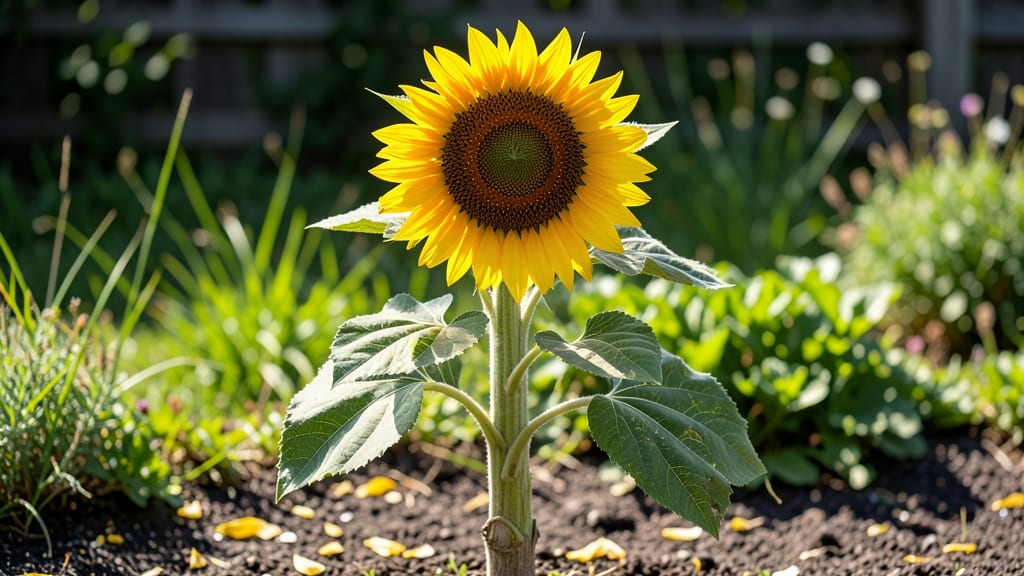
Sunflowers thrive in full sun 🌻, needing at least 6 to 8 hours of direct light daily to reach their iconic heights and vibrant blooms.
Picture this: you’ve planted your sunflower seeds with big dreams of towering stems and golden faces, only to watch them stretch thin and weak. That’s not just a lack of water—it’s a cry for sunlight.
Without enough light, sunflowers won’t just be short; they’ll struggle to bloom at all, leaving you with leggy stalks and underwhelming results.
But here’s the good news: sunflowers are forgiving. While they love full sun, they can tolerate partial shade—especially in hot climates where afternoon sun might be too intense.
The key is positioning them where they get the most light possible, whether that’s a sunny garden bed, a south-facing window, or even a reflective surface to bounce extra rays their way.
In this guide, I’ll break down exactly how much sun sunflowers need, how to spot light deprivation, and even share tips for maximizing their growth—whether you’re a beginner or a seasoned gardener. Let’s get those sunflowers soaking up the light they crave!

How much sun do sunflowers really need for optimal growth?
Sunflowers thrive on sunlight like no other plant in your garden. Their iconic height and vibrant blooms are powered by photosynthesis efficiency that demands full sun exposure. But how much sunlight do they truly need?
The answer isn't just about hours—it's about light intensity, bloom development, and even seed production. Let's break down the science and practical tips to help your sunflowers reach their full potential.
Most sunflower varieties require 6 to 8+ hours of direct sunlight daily for optimal growth. This means placing them in the sunniest spot in your garden, where they can soak up bright, unfiltered rays from morning until late afternoon.
Without enough light, sunflowers may grow leggy stems, produce smaller blooms, or even fail to flower at all. The key is understanding how light intensity directly impacts their growth stages.
Here’s the science: Sunflowers convert sunlight into energy through chlorophyll in their leaves. More sunlight means more energy for stem elongation, leaf expansion, and flower development.
Studies show that sunflowers grown in full sun can reach heights 30-50% taller than those in partial shade, with larger, more vibrant blooms and higher seed yields. If you’re aiming for those 10-foot giants or basket-sized flowers, sunlight is non-negotiable.
🌻 Did You Know? Sunflowers actually follow the sun (heliotropism) during their early growth stages, turning their faces toward the morning light. This behavior maximizes photosynthesis and ensures they get the most energy possible. Once the flowers fully open, they typically face east, but this habit highlights their sun-seeking nature.
| Variety | Sunlight Needs | Height Range | Bloom Size | Seed Production |
|---|---|---|---|---|
| Standard (e.g., 'Mammoth') | 8+ hours full sun | 8-14 ft | 12-18 inches | High yield |
| Semi-Dwarf (e.g., 'ProCut') | 6-8 hours full sun | 3-6 ft | 8-12 inches | Moderate yield |
| Dwarf (e.g., 'Teddy Bear') | 4-6 hours sun (tolerates partial shade) | 1-3 ft | 4-6 inches | Low yield |
| All varieties in partial shade | <6 hours sun | Reduced height | Small blooms | Poor seed set |
If you’re planting sunflowers in a partial shade situation—like under dappled tree branches or near a north-facing fence—expect compromises. Your plants may still grow, but they’ll likely produce shorter stems, smaller flowers, and fewer seeds.
For example, a 'Mammoth' sunflower in full sun can reach 12 feet, but the same variety in partial shade might max out at 5 feet with half-sized blooms. The trade-off isn’t worth it if you’re after those showstopping giants.
For maximum
Signs your sunflowers aren’t getting enough sun (and how to fix it)
Sunflowers stretch toward the light like sun-worshipping giants—but when they don’t get enough, their growth tells a clear story. Leggy stems, small blooms, and weak stalks are classic red flags that your sunflowers are light-deprived.
These symptoms aren’t just cosmetic; they signal stunted photosynthesis, which means fewer seeds and less vibrant flowers.
Even if your garden gets partial shade, sunflowers will still struggle to reach their full 6-14 foot potential. The good news? With a few simple adjustments, you can revive their growth and coax out those iconic cheerful yellow faces.
Let’s diagnose the problem and explore solutions—from relocating plants to choosing shade-tolerant varieties.
⚠️ Sunflowers Need 6+ Hours of Direct Sun Daily
Without enough light, sunflowers won’t bloom properly, produce smaller seeds, and may even flop over. Even 4-5 hours of sun can lead to leggy growth and pale petals. If your garden lacks full sun, try these fixes:
- Relocate plants to sunnier spots (e.g., south-facing beds).
- Use reflective mulch (white gravel or mirrors) to bounce light.
- Choose shade-tolerant varieties like 'Teddy Bear' or 'Moulin Rouge'.
One of the first signs your sunflowers are light-starved is excessive stretching. Their stems grow tall and thin, reaching for any available light source. This etiolation (a fancy term for light deprivation) makes them top-heavy and prone to snapping in wind.
If you notice stems longer than 12 inches before blooming, it’s time to act.
Small, underdeveloped blooms are another dead giveaway. Sunflowers deprived of light produce tiny flowers with fewer seeds—sometimes just a fraction of their full 12-inch diameter. The petals may also appear pale or greenish instead of the classic bright yellow.
Even if they bloom, the center disc (where seeds form) might stay green and undeveloped.
Weak stems are a major warning sign. Sunflowers need sunlight to strengthen cellulose in their cell walls, which gives them structural support. Without it, stems become brittle and hollow, often leading to sudden collapse.
If you see stems bending or breaking easily, they’re not getting enough light to photosynthesize efficiently.
To fix these issues, start by moving plants to a sunnier location—even a 2-hour difference can make a big impact. If your garden lacks full sun, try container gardening near a south-facing wall or use reflective surfaces like white mulch or aluminum foil to bounce extra light onto the plants.
For severe shade, consider grow lights (LED full-spectrum bulbs work best).
Finally, if relocating isn’t an option, switch to shade-tolerant sunflower varieties. Dwarf varieties like 'Autumn Beauty' or 'Moulin Rouge' thrive in partial shade and still produce stunning blooms—just on a smaller scale.
With these adjustments, your sunflowers will reach their full potential and bring that classic summer joy to your garden. 🌻