
Light Requirements
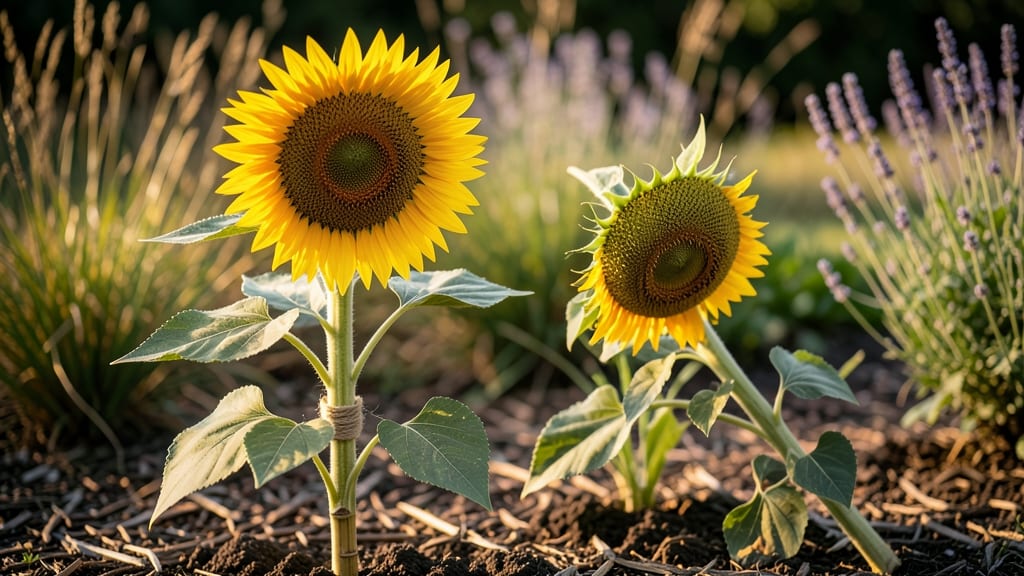
Sunflowers often need support when they grow taller than 6 feet, especially in windy or storm-prone areas where their sturdy stems can snap under pressure.
Picture this: a 12-foot giant leaning like a drunkard after a summer storm, its once-proud head now dragging in the dirt. That’s the moment you realize staking isn’t just optional—it’s a lifeline for your sunflower’s health and harvest.
But here’s the catch: not all sunflowers need it. Dwarf varieties like ‘Teddy Bear’ stand proudly without a stake, while tall hybrids like ‘Mammoth’ beg for reinforcement.
The key is knowing your variety, reading the wind, and choosing the right support—whether it’s a simple bamboo stake or a DIY cage.
In this guide, I’ll walk you through when to stake, how to do it without damaging stems, and natural tricks to grow sunflowers that stand tall on their own—no props required.
When sunflowers need support (and when they don’t)
Sunflowers are the easy-care superstars of the garden—until they aren’t. While some varieties stand tall like natural skyscrapers, others barely need a breeze to flop over. The key? Understanding your sunflower’s height potential and growing conditions before deciding whether to stake.
A 6-foot ‘Teddy Bear’ might wobble in a windy yard, while a 12-foot ‘Russian Giant’ will snap like a twig without support. Let’s break down the rules so you don’t waste time (or money) on stakes your plants don’t need.
First, recognize that not all sunflowers are created equal. Dwarf varieties like ‘Moulin Rouge’ max out at 3 feet tall and rarely need support, while standard types like ‘Autumn Beauty’ can reach 5–6 feet and may lean without help. Giant varieties like ‘Mammoth’ or ‘Russian Giant’?
Those 10–14-foot monsters will almost always need staking—or they’ll topple like Jenga towers in a storm. Your climate plays a role too: High-wind areas demand staking for even medium-height plants, while sheltered gardens might let shorter varieties stand alone.
Before grabbing stakes, test your sunflower’s natural resilience. Gently tug the stem near the base—if it bends but doesn’t snap, it’s likely sturdy enough to stand alone. If it snaps or bends permanently, support is a must.
Pay attention to the stem diameter too: thicker stems (over ½ inch wide) handle wind better than thin, pencil-sized stalks. And don’t forget soil health—poor drainage or compacted soil weakens roots, making stems more prone to flopping.
Amend your soil with compost or sand if it feels heavy or clay-like.
Your garden’s microclimate is another critical factor. A sunflower in a protected corner might thrive without stakes, while the same variety in an open, windy field will need support. Even in sheltered spots, watch for rain-soaked soil, which can make stems top-heavy and unstable.
If your plants start leaning consistently toward the sun, it’s a sign they’re struggling to stay upright. In these cases, lightweight stakes or cages can provide just enough support without restricting growth.
One common mistake? Staking too late. If you wait until the plant is already leaning, the stem may have weakened permanently, and staking won’t help. Instead, install supports early—when stems reach 1–2 feet tall. This gives the plant time to grow into the support system naturally.
For giant varieties, use wide-based stakes or cages to distribute weight and prevent tipping. And avoid tying stems too tightly—leave room for the stem to thicken as it grows, or you’ll risk girdling (where the stem gets cut off from nutrients).
If you’re growing sunflowers for cut flowers or seed production, support becomes even more important. A leaning stem can break off when you harvest, ruining your bouquet or seed head.
For cutting varieties, choose flexible stakes or spiral supports that let the stem move slightly with the wind—this mimics natural movement and reduces stress. And if you’re growing sunflowers for birdseed, sturdy stems are a must—snapped seed heads mean lost harvests for hungry birds (and you!).
Not convinced you need stakes? Try this natural test: Plant a few sunflowers in a sheltered spot and others in a windy area. Compare their growth—if the sheltered ones stand tall while the windy ones flop, you’ve got your answer.
For organic gardeners, focus on soil health and spacing first. Crowded plants compete for nutrients, making stems weaker and more prone to leaning. Space them 12–24 inches apart (depending on variety) to give roots room to anchor deeply.
Remember, support isn’t always about stakes. For medium-height varieties, try natural windbreaks like tall grasses, shrubs, or even a cornstalk trellis. These break wind without restricting airflow.
And if you’re growing sunflowers in containers, choose a heavy pot (like fabric grow bags filled with compost and perlite)
How to stake sunflowers properly (without breaking them)
If you’ve ever watched a sunflower sway dramatically in the wind, you know the struggle: leaning stems, snapped bases, and wasted effort. Staking isn’t always necessary, but when it is, doing it wrong can cause more harm than good.
The key is timing, technique, and support type—not just slapping a stake in the ground and hoping for the best.
Sunflowers like 'Mammoth' or 'Russian Giant' varieties can reach 10+ feet tall, making them prime candidates for staking. But even shorter types may need support in windy climates or heavy soil.
The goal? Reinforce stems without restricting growth. Let’s break it down step by step so your sunflowers stay upright—and thrive.
Step-by-Step Staking Guide
- 1 Choose the right stakes: Use bamboo stakes (3-4 ft tall) for dwarf varieties or tall metal/pvc pipes (6-10 ft) for giants. Avoid thin, bendable stakes—they won’t hold up in storms.
- 2 Insert stakes early: Place stakes 2-3 inches deep beside the plant when seedlings are 6-8 inches tall. Driving them in later can damage roots or snap stems.
- 3 Tie with soft, breathable material: Use garden twine, old t-shirts, or fabric strips—never wire or tight materials that can strangle stems as they grow. Loosen ties every 2-3 weeks.
- 4 Avoid over-supporting: Let sunflowers lean slightly into the wind—this strengthens stems naturally. Only stake if the plant is bending 45°+ from vertical or at risk of snapping.
- 5 Remove stakes after flowering: Once the flower head opens fully, the plant’s energy shifts to seed production. Stakes can then restrict root growth—gently pull them out to avoid disturbing roots.
One of the biggest mistakes I see is tying stakes too tightly early on. A sunflower stem can grow 2-3 inches per day—if you cinch it down now, you’ll choke the plant’s expansion later.
Instead, use a figure-eight knot and adjust as the stem thickens. Think of the tie as a gentle hug, not a straitjacket.
For extra security in wind-prone areas, consider group planting—sunflowers planted in clusters lean into each other for natural support. Pair tall varieties with shorter companions like marigolds to break wind currents.
And if you’re growing sunflowers in containers, opt for heavier pots or bury the container halfway in the ground to anchor it.
Remember: Staking is a tool, not a crutch. The healthiest sunflowers are those that develop strong stems naturally. Focus on well-draining soil, consistent watering, and proper spacing—these do more to prevent leaning than any stake ever could.
With the right approach, your sunflowers will stand tall on their own (or with minimal help).