
Light Requirements
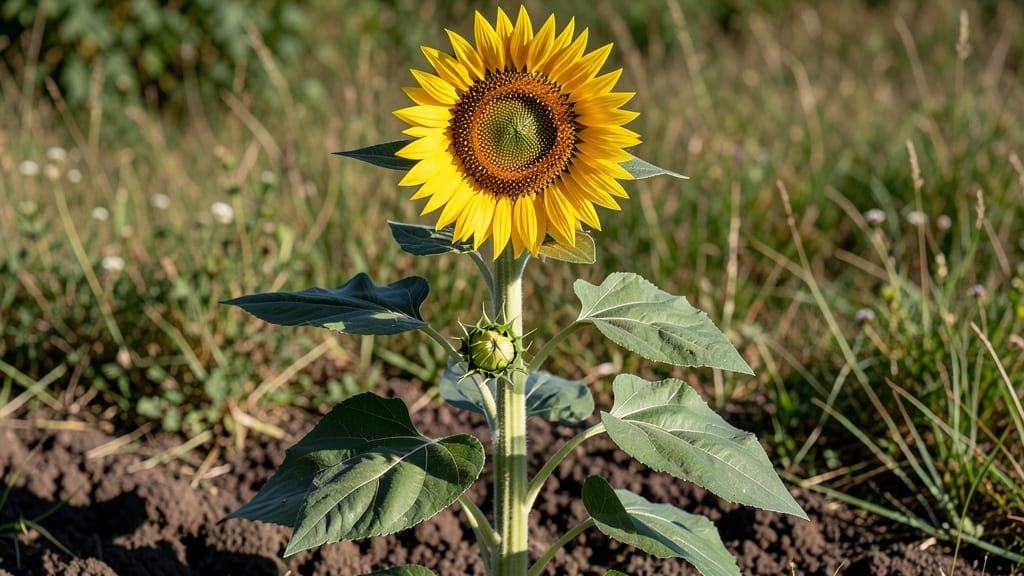
Sunflowers need direct sunlight to thrive and reach their towering, golden potential 🌻 — a fact that can make or break your garden dreams.
Picture this: you’ve planted your seeds in April, watered them faithfully, and waited for those first green shoots to break through the soil. But instead of the towering giants you envisioned, your sunflowers stay short and leggy, struggling to bloom.
That’s often a sign they’re not getting enough light, and it’s a common mistake even experienced gardeners make.
Sunflowers are native to open fields and prairies, where they soak up full sun for 6 to 10 hours a day. In your garden, that means positioning them in the sunniest spot possible—no half-measures here.
Even partial shade can stunt their growth, leading to weaker stems and fewer blooms. But don’t worry, there are ways to give them the light they crave, whether you’re planting in the ground or in containers.
In this guide, I’ll break down exactly how much sunlight sunflowers need, what happens when they don’t get enough, and how to position them for success—so you can grow sunflowers that stand tall and proud, just like they’re meant to.

How many hours of direct sunlight do sunflowers actually need?
Sunflowers thrive under the sun like no other garden plant. Their scientific name, Helianthus annuus, even means "sun flower" – a clue to their sunlight dependency. While they can tolerate some shade, direct sunlight is non-negotiable for achieving those iconic towering blooms and robust stems.
Without enough light, your sunflowers may grow leggy, produce fewer seeds, or never bloom at all.
The minimum sunlight requirement for sunflowers is 6 hours of direct sunlight daily, but most gardeners agree that 8-10+ hours yields the best results. This aligns with their natural habitat in open fields where they bask in full sun.
Even partial shade can reduce their growth potential by up to 50%, so placement matters more than you might think.
Here’s the breakdown of how sunlight affects sunflower growth, including how to adjust for cloudy climates or urban gardens with limited sun:
The photosynthesis efficiency of sunflowers is directly tied to sunlight exposure. Their large, broad leaves are designed to capture maximum solar energy, which they convert into the glucose needed for rapid vertical growth.
When sunlight is limited, sunflowers prioritize leaf production over stem development, leading to those telltale leggy, weak stems that can’t support their own weight.
For gardeners in cloudy or high-altitude regions, you’ll need to compensate by providing reflective surfaces (like white walls or mirrors) or using grow lights for 4-6 hours daily if natural light drops below 6 hours.
Even in these conditions, south-facing placement is ideal to maximize whatever sunlight is available during the day.
If you’re growing sunflowers in containers or urban gardens, prioritize locations that receive uninterrupted sunlight from mid-morning to late afternoon. Avoid placing them under trees or near tall buildings that cast deep shade during peak sun hours (10 AM–4 PM).
A south-facing window or balcony works for dwarf varieties, but standard sunflowers will outgrow even the largest pots quickly.
Pro tip: Monitor your sunflowers’ growth in the first 3-4 weeks. If stems start stretching excessively toward the light source (a condition called etiolation), it’s a clear sign they need more sun.
At this stage, you can either transplant to a sunnier spot or supplement with a grow light to prevent permanent damage.
One common misconception is that sunflowers can thrive in partial shade if given extra water. While watering helps, it cannot replace sunlight. Sunflowers are drought-tolerant once established, but their energy comes from photosynthesis – and that process requires sunlight, not just water.
Think of it like a solar panel: the more direct sun it gets, the more "juice" it produces for growth.
For maximum bloom height and seed production, aim for 10+ hours of sunlight daily. This is especially true for tall varieties like 'Russian Giant', which can reach 12-14 feet when given ideal conditions.
Even dwarf varieties will produce more vibrant blooms with full sun exposure, so don’t skimp on light if you want those golden, sun-kissed petals.
🌻
Signs your sunflowers aren’t getting enough light (and how to fix it)
Sunflowers stretch toward the sun like eager sunbathers—but when they don’t get enough light, they send clear distress signals. The first clue? Leggy, weak stems that flop instead of standing tall.
These plants are literally reaching for sunlight, and their stems grow thin and spindly as they struggle to support their own weight. Even worse, the leaves may turn pale yellow or greenish-white, losing their rich, deep green color.
Another red flag is delayed or absent blooming. Sunflowers need sunlight to trigger flowering, so if your plants are producing fewer buds or taking much longer to bloom, they’re begging for more light.
In extreme cases, you might see small, underdeveloped flower heads that never fully open—or worse, the plant may produce no flowers at all and focus only on leafy growth.
⚠️ Warning: Sunflowers Need Full Sun!
Sunflowers (Helianthus annuus) are sun-worshippers—they thrive with 6-10+ hours of direct sunlight daily. Without enough light, they’ll grow weak, leggy, and prone to disease. Even partial shade can stunt their growth and reduce flower production. If your sunflowers are struggling, move them immediately to a sunnier spot or use reflective surfaces (like white walls) to boost light exposure.
If you’ve noticed yellowing leaves at the base while the upper leaves stay green, this is another classic sign of light starvation. The plant is prioritizing growth in the direction of available light, leaving lower leaves to wither.
You might also spot smaller, fewer leaves overall, as the plant conserves energy. In containers, sunflowers may even outgrow their pots quickly, sending roots circling in search of stability—and light.
To fix these issues, start by relocating your sunflowers to the sunniest spot in your garden. South-facing areas are ideal in the Northern Hemisphere, while north-facing spots work best in the Southern Hemisphere.
If you’re growing in containers, place them on a sunny patio, balcony, or deck where they’ll get unobstructed sunlight for most of the day. Avoid placing them under trees or near tall structures that cast deep shade.
For sunflowers already planted in the ground, consider pruning leggy stems to encourage bushier growth. Cut back the top 1/3 of the stem just above a leaf node—this triggers lateral branching and can help the plant recover.
Pair this with a balanced fertilizer (5-10-10) to support new growth, but avoid over-fertilizing, which can weaken stems further in low-light conditions.
If your garden simply lacks a sunny enough spot, try growing shorter sunflower varieties like 'Teddy Bear' or 'Moulin Rouge,' which tolerate partial shade better than towering giants. For containers, use reflective mulch or white-painted pots to bounce extra light onto the plants.
And remember: Morning sun is better than afternoon sun in hot climates, as it reduces stress on water-starved plants.