
Orchid Care
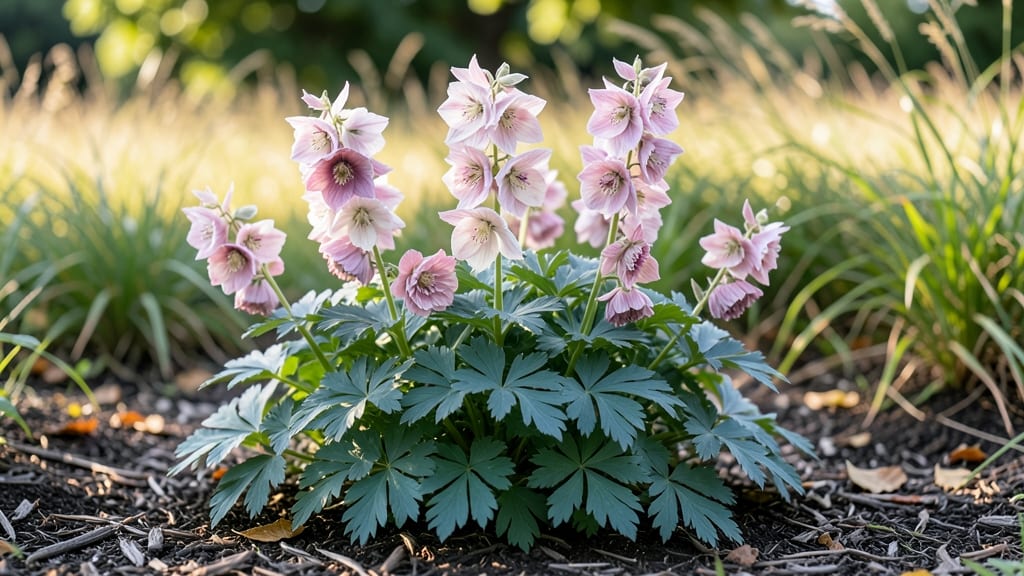
Double flowered columbine 🌸 will turn your garden into a dreamy cottage scene with its lush, layered blooms—but getting them to thrive takes more than just sticking seeds in the ground.
If you’ve ever planted columbine only to watch it flop in the heat or struggle to produce those coveted double blooms, you’re not alone. The secret lies in the soil, light, and a little extra care that most gardeners overlook.
In this guide, I’ll walk you through everything from selecting the right varieties to mastering the perfect planting window in Zone 6a, plus the watering and pruning tricks that keep your plants blooming for months.
By the end, you’ll know exactly how to coax those stunning double blooms year after year—no guesswork required.
How to identify and select the best double flowered columbine varieties for your garden
Double flowered columbines (Aquilegia spp.) stand out with their ruffled, layered petals that resemble tiny fairy skirts. Unlike single-flowered varieties, these hybrids produce two layers of petals instead of one, creating a lush, fuller bloom.
The key to selecting the right variety lies in understanding bloom density, color patterns, and growth habits that match your garden's conditions.
When choosing double flowered columbines, focus on hybrid vigor and climate adaptability. Some varieties thrive in cooler climates, while others tolerate heat better. I’ve found that 'Queen of Hearts' and 'Blue Bird' are top performers for their bold colors and long bloom seasons.
Let’s explore how to identify these varieties and pick the perfect match for your garden.
For climate-specific selection, check your USDA hardiness zone. For example, 'Queen of Hearts' thrives in zones 3-8, making it ideal for northern gardens, while 'Blue Bird' handles zones 4-9, perfect for southern regions. Always verify seed packet labels or nursery tags for accurate zone information.
When buying seeds or plants, prioritize reputable suppliers like Baker Creek Heirloom Seeds or local nurseries specializing in perennial flowers. Look for organic certification if you prefer chemical-free options. I’ve had the best luck with heirloom varieties that offer unique color combinations and improved disease resistance.
Consider bloom duration when selecting varieties. Some double flowered columbines, like 'McKana's Giant', produce flowers for 6-8 weeks, while others may bloom for 4-6 weeks. Plan your garden layout to stagger bloom times by mixing varieties for continuous color from late spring to early summer.
If you’re planting from seeds, choose double-flowered hybrids labeled specifically for their ruffled petals. Seed-grown plants may not always produce true double blooms, so opt for named cultivars from trusted sources.
For instant gratification, purchase established plants from nurseries, ensuring they have healthy foliage and buds already forming.
Pay attention to growth habits when selecting varieties. Taller types like 'McKana's Giant' work well in back borders, while compact varieties like 'Little Lantern' thrive in containers or rock gardens. Always match the plant’s mature size to your garden’s design to avoid overcrowding or awkward spacing.
For low-maintenance gardens, prioritize drought-tolerant varieties like 'Blue Bird'. These types require less frequent watering once established, making them ideal for xeriscaping or water-wise landscapes. Always mulch around the base to retain moisture and suppress weeds.
Double flowered columbines add whimsy and texture to any garden
Step-by-Step growing guide: soil, light, and care secrets for double blooms
Double flowered columbine thrives when you mimic its natural woodland habitat. The key to dense, ruffled blooms lies in well-draining soil and partial shade—avoid full sun, which can scorch those delicate petals.
I’ve found that amending clay soil with compost creates the perfect loose, airy medium these plants adore. Morning sun followed by afternoon shade is ideal for most varieties like 'Queen of Hearts' or 'Blue Bird'.
Before planting, test your soil’s pH—columbine prefers neutral to slightly acidic (6.0-7.0). If your garden soil is heavy, mix in 1/3 perlite or coarse sand to improve drainage.
I always dig a hole twice as wide as the root ball to encourage root spread, which leads to stronger stems and more blooms. Plant in early spring after the last frost date in your zone.
🌱 Step-by-Step Guide to Double Blooms
- 🌿 Step 1: Choose a partial shade spot with 4-6 hours morning sun and dappled afternoon shade (e.g., under tall shrubs). Avoid hot, exposed areas.
- 💧 Step 2: Amend soil with 2-3 inches compost and 1/3 perlite for drainage. Test pH—aim for 6.0-7.0.
- ✂️ Step 3: Plant 12-18 inches apart in early spring (after last frost). Dig hole twice as wide as root ball.
- 🌧️ Step 4: Water deeply 2-3x/week (1 inch total). Keep soil moist but not soggy—double blooms wilt faster in heat.
- 🌸 Step 5: After blooming, deadhead spent flowers to encourage second flush of blooms. Snip stems 1/3 above leaf nodes.
- 🍂 Step 6: In fall, cut back leggy stems but leave healthy foliage for winter interest. Mulch with 2 inches straw.
- 🔄 Step 7: Every 3-4 years, divide crowded clumps in early spring. Replant smaller sections for renewed vigor.
Watering is where many gardeners trip up. Double flowered columbine hates soggy roots—overwatering leads to powdery mildew or root rot. I water deeply in the morning (1 inch total per week) and avoid wetting foliage to prevent fungal issues.
During hot summers, mulch with 2-3 inches of straw to retain moisture and keep roots cool.
Pruning isn’t just about looks—it’s about encouraging dense blooms. After the first flush of flowers fades, snip spent stems 1/3 above leaf nodes to prompt reblooming.
In late summer, cut back tattered foliage but leave healthy growth for winter. I’ve seen columbine rebloom into fall when given this mid-season trim!
Watch for powdery mildew (white powder on leaves) or leggy stems—both signal too much sun or overcrowding. Move plants to shadier spots or thin clumps if needed.
A neem oil spray (1 tsp per quart of water) treats mildew naturally. With these care secrets, your double flowered columbine will thrive for years!