
Vegetables
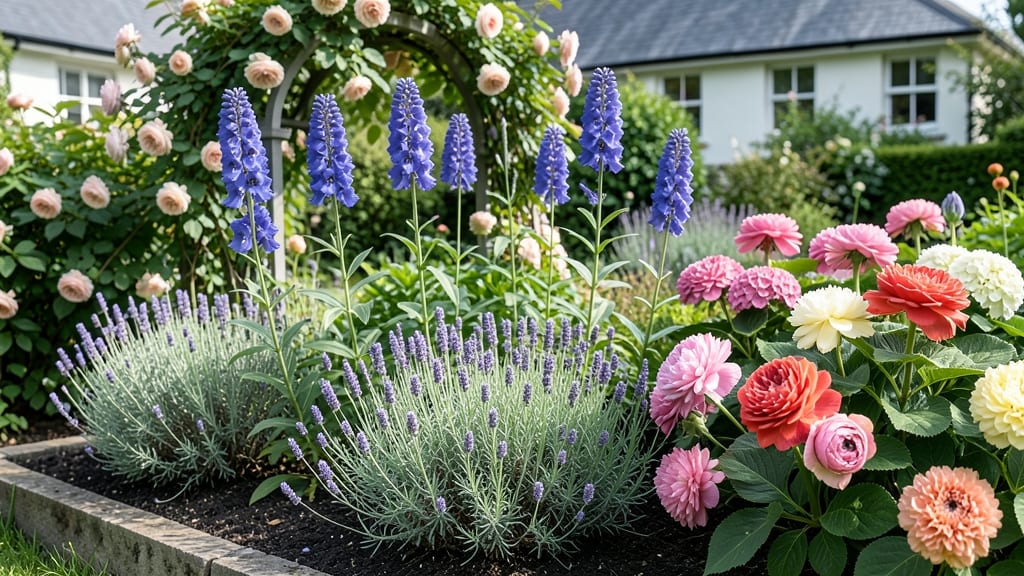
The English gardens latest secret weapon for year-round beauty lies in cold-resistant perennials that return year after year. ✨ These hardy plants thrive even in chilly climates, offering lush blooms and foliage that outlast seasonal trends.
My own garden transformed when I swapped finicky annuals for these reliable workhorses—now I spend less time fussing and more time enjoying the results.
The magic lies in selecting plants that naturally withstand frost, drought, and fluctuating temperatures. Think lavender, catmint, and Russian sage—they bounce back after winter like nothing happened. Even in Zone 5, where winters can be brutal, these perennials deliver vibrant color from spring through fall with minimal effort.
The key is choosing varieties bred for resilience, not just beauty.
What you end up with is a garden that feels effortlessly elegant, yet stays productive and low-maintenance. No more replanting every spring, no more wilting under summer heat—just reliable growth that builds year after year.
The best part? These plants attract pollinators, repel pests, and create that classic English garden charm without the fuss.
Whether you're reviving a cottage-style border or designing a modern parterre, these perennials adapt to any layout. Start with just a few hardy staples, and watch your garden become the envy of the neighborhood—without the high-maintenance drama. Let’s get planting!
📚 In This Guide
- What you need
- Instructions
- Tips and common mistakes
- Wrapping up and next steps
What you need
- ● Cold-resistant perennial plants: 2–5 Artemisia (e.g., 'Powis Castle' or 'Lambrook Silver') – drought-tolerant & frost-proof
- ● 3–6 Hellebores (Lenten rose) – blooms in early spring, thrives in shade
- ● 4–8 Sedum (e.g., 'Autumn Joy' or 'Angelina') – succulent, low-maintenance
- ● 5–10 Heuchera (Coral Bells) – vibrant foliage, shade-loving
- ● 3–5 Russian Sage (Perovskia atriplicifolia) – hardy, aromatic, and deer-resistant
- ● Soil amendments: 5–10 lbs compost (for enriching soil)
- ● 2–3 lbs perlite or coarse sand (for drainage, especially in clay soil)
- ● 1–2 lbs bone meal or 5-10-10 fertilizer (for phosphorus-rich growth)
- ● Tools: 1 garden trowel (for precise planting)
- ● 1 pruners (sharp, sterilized)
- ● 1 garden fork (for aerating soil)
- ● 1 wheelbarrow or bucket (for hauling materials)
- ● 1 measuring tape (for spacing plants 12–36" apart, depending on variety)
- ● Mulch (3–4 inches of straw, wood chips, or shredded leaves) – insulates roots in winter
- ● Garden stakes or labels (for tracking varieties)
- ● Slow-release fertilizer (e.g., Osmoote or Algae-Based Fertilizer) – feeds plants gradually
- ● Rain gauge or moisture meter (to monitor watering in dry spells)
- ● Decorative stones or gravel (for pathways or borders)
Step-by-step guide to designing a cold-resistant perennial garden
Here's how to create a resilient, low-maintenance perennial garden that thrives through winter and returns stronger each year.
🌱 Step 1: Select and Source Cold-Hardy Perennial Varieties
Choose perennials rated for your USDA hardiness zone or lower—this ensures they'll survive winter dormancy without protection. I recommend starting with lavender (zones 5-9), Russian sage (zones 4-9), or catmint (zones 3-8), as these handle cold snaps beautifully while providing year-round interest. Research each plant's mature size to plan spacing—crowding leads to poor airflow and disease.
Buy from reputable nurseries that offer bare-root or container-grown plants with established root systems. Bare-root perennials are often cheaper and ship well, but container-grown plants give you an immediate visual of the mature foliage. Avoid plants with yellowing leaves or mushy stems—these signs indicate stress or disease that won't improve after planting.
☀️ Step 2: Prepare the Garden Bed for Winter Resilience
Test your soil's pH and amend with compost or aged manure to improve drainage and fertility—perennials need rich, well-aerated soil to store nutrients for winter. I like to add a 2-inch layer of compost to the top 6 inches of soil and mix it in thoroughly. For heavy clay soils, incorporate sand or perlite to prevent waterlogging, which can rot roots during freeze-thaw cycles.
Choose a site with at least 6 hours of sunlight daily—most cold-hardy perennials need full sun to develop strong root systems. Mark planting locations with stakes or string to maintain proper spacing (check plant tags for mature dimensions). Avoid areas prone to frost pockets, where cold air settles and can damage tender new growth in early spring.
🪴 Step 3: Plant Perennials for Long-Term Success
Dig holes twice as wide as the root ball but only as deep as the container's base—planting too deep suffocates roots, while shallow planting exposes them to temperature swings. Gently loosen the root ball if it's tightly packed, then place the plant in the hole and backfill with native soil. Water deeply to eliminate air pockets and encourage root-to-soil contact.
Mulch immediately after planting with 3-4 inches of organic mulch (such as shredded bark or straw) to insulate roots from temperature extremes. Keep mulch 6 inches away from plant stems to prevent rot. Water newly planted perennials once weekly for the first month, then taper to every 2-3 weeks once established—overwatering in winter can lead to heaving, where roots freeze and expand, pushing plants out of the ground.
✂️ Step 4: Maintain Through Seasons for Year-Round Regrowth
In early spring, remove dead or diseased foliage but leave last year's seed heads on some plants—many perennials self-seed, and seed heads provide winter interest for birds. Fertilize lightly in early spring with a balanced, slow-release fertilizer (10-10-10) to support new growth. Avoid high-nitrogen fertilizers, which encourage lush foliage at the expense of root development.
Divide clumps every 3-4 years in early spring or fall to prevent overcrowding—perennials like coneflowers and black-eyed Susans thrive when given space to spread. Watch for signs of stress, such as yellowing leaves or wilting, which often indicate overwatering, poor drainage, or pest issues. Most cold-hardy perennials are low-maintenance, but a quick inspection once monthly during growing season keeps problems in check.
⏰ Step 5: Prepare for Winter Dormancy
Before the first hard frost, reduce watering to allow roots to harden off. Cut back tender perennials (like lavender) by one-third to prevent wind damage, but leave woody stems (such as Russian sage) intact—they provide winter structure and protect the crown from temperature swings. Apply an additional 2-3 inches of mulch after the ground freezes to insulate roots.
In late winter, prune back dead foliage just as new growth begins—this prevents disease and lets sunlight reach the crown. Avoid heavy pruning in fall, as it stimulates new growth that won't harden off before winter. Most cold-hardy perennials emerge within 2-3 weeks of spring thaw, signaling successful overwintering. If you notice no new growth by mid-spring, the plant may have died and should be replaced.
Tips & tricks for creating a thriving cold-resistant perennial garden
Building a garden that survives harsh winters takes strategic planning—here's how to ensure your perennials return stronger every year.
Zone Accuracy Matters: Double-check your USDA hardiness zone before selecting plants. For example, Russian sage thrives in zones 4-9, but if you're in zone 3, opt for catmint instead. I once planted lavender in zone 4 thinking it would survive—it didn't. Always verify the lower end of a plant's zone range to prevent winter casualties.
Root System Strategy: When planting, focus on creating an ideal root environment by loosening tightly packed root balls and ensuring proper depth. The holes should be twice as wide as the root ball but only as deep as the container's base—this balance prevents suffocation while avoiding exposure to temperature swings. I've seen roots fail when planted too deep, so measure carefully.
Mulching Mastery: The 3-4 inches of organic mulch you apply after planting isn't just decoration—it's insulation. For extra protection in extreme climates, add an additional 2-3 inches after the ground freezes. Just remember to keep mulch 6 inches away from stems to prevent rot. I've learned this the hard way with lavender that developed fungal issues.
Seasonal Maintenance Calendar: Create a simple checklist for seasonal care: mark dead foliage removal in early spring, fertilize lightly with 10-10-10 in spring, and schedule your every 3-4 year divisions. I color-code my calendar by season to stay organized—this prevents overwatering in winter and ensures timely pruning that won't stimulate tender new growth before winter.
Pro Tips for English Gardens Latest
- Building a garden that survives harsh winters takes strategic planning—here's how to ensure your perennials return stronger every year.
- Zone Accuracy Matters: Double-check your USDA hardiness zone before selecting plants.
- Root System Strategy: When planting, focus on creating an ideal root environment by loosening tightly packed root balls and ensuring proper depth.
Frequently asked questions
Got questions about reviving your English garden with cold-resistant perennials? Here are some common queries—and answers—to help you grow confidently, even in chilly climates!
What’s the coldest temperature these perennials can handle?
Most cold-resistant perennials like artichokes, asparagus, and rhubarb survive down to 10–20°F (-12 to -7°C). Hardy varieties (e.g., kale or sunchokes) can even brave 0°F (-18°C) with mulch! Check seed packets for exact ratings—they’re your best guide.
How long does it take for perennials to establish and regrow yearly?
Patience pays off! Most perennials take 1–2 years to fully establish roots and produce reliably. For example, asparagus may take 3 years before peak harvests, but once established, it’ll reward you for decades. Focus on soil prep and consistent watering to speed up the process.
Are cold-resistant perennials more expensive than annuals?
Not necessarily! While some specialty perennials (like Jerusalem artichokes) may cost more upfront, they pay off long-term by cutting replanting costs. Compare prices: a $10 pack of artichoke crowns could yield harvests for 5+ years, vs. buying tomato seeds annually at $3–$5 each season.
Can I grow these perennials in containers or raised beds?
Many cold-hardy perennials thrive in containers (e.g., kale, sunchokes) or raised beds, as long as they get 6+ hours of sunlight and well-draining soil. Use 10–12" deep pots for root crops like rhubarb, and add compost to boost fertility. Just avoid overcrowding—roots need room to spread!
What should I do if my perennials die back completely in winter?
Don’t panic! Many perennials (like asparagus or horseradish) go dormant in winter and regrow from roots in spring. If they’re truly dead, check for heavy frost heave (soil pushing roots out) or rodent damage. Mulch 3–4 inches deep with straw or leaves to insulate roots, and water before hard freezes to protect cells.
Wrapping up and next steps
From hardy kale to resilient asparagus, these cold-resistant perennials prove that thriving gardens don’t need warm weather—just a little know-how! 🌱 Whether you’re a seasoned gardener or just starting out, these plants offer low-maintenance, year-after-year rewards while standing up to frost and tough climates.
Ready to transform your space? Start small—pick one or two perennials to test this season, then expand as you gain confidence. Your future self (and your dinner plate!) will thank you. Happy planting! 🌿