
Flowers
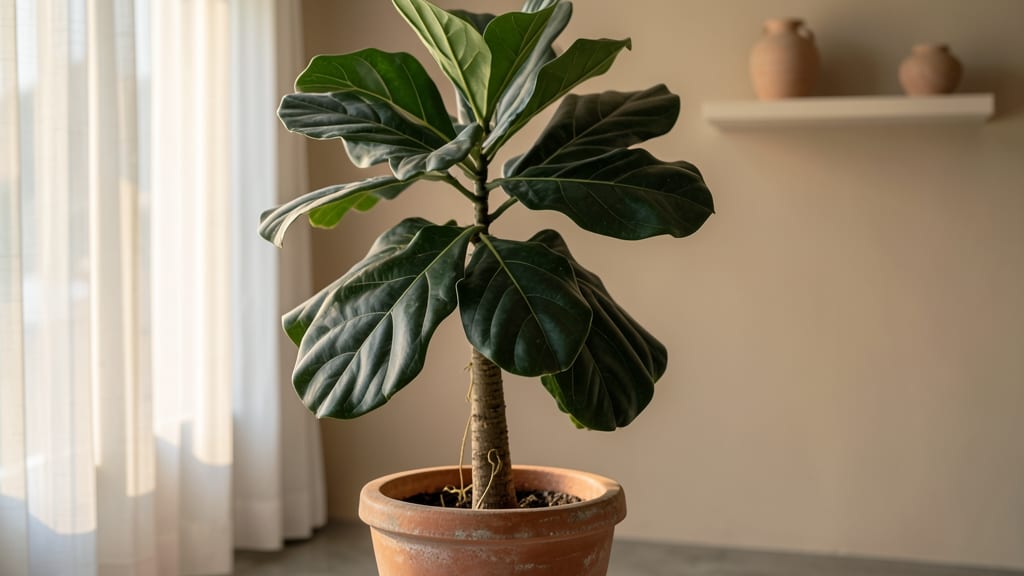
Seeing a ficus macrophylla flower on your towering Moreton Bay Fig 🌳 is like spotting a shooting star—rare, magical, and worth the wait.
Most gardeners never witness this spectacle because the tree demands near-perfect conditions to bloom. But with the right mix of sunlight, seasonal cues, and a little patience, you can coax your Moreton Bay Fig into flowering—even in Zone 9b—and transform your landscape into a living masterpiece.
Here’s how to set the stage: from mimicking tropical humidity to timing watering for maximum impact, I’ll walk you through the exact triggers that turn your giant evergreen into a floral showstopper.
Ready to unlock the secrets? By the end, you’ll know not just how to encourage blooms, but how to care for them once they arrive—so your Moreton Bay Fig keeps putting on a show for years.
How to trigger rare ficus macrophylla flowering: proven conditions & timing
Witnessing a ficus macrophylla flower is like uncovering nature's hidden treasure—most specimens never bloom in cultivation. This majestic tree, native to Australia's subtropical rainforests, typically waits 15-30 years before producing flowers under ideal conditions.
The key lies in recreating its natural environmental triggers, which include precise light cycles, temperature shifts, and even hormonal signals.
In the wild, ficus macrophylla flowering occurs during late winter to early spring (January-February in USDA Zone 9b), when days lengthen and temperatures stabilize.
Replicating these conditions requires understanding the tree's photoperiodic response—its sensitivity to daylight duration—and how ethylene gas (a natural plant hormone) acts as a flowering cue when released during stress periods.
Here are the critical triggers that will help you coax your Moreton Bay Fig into flowering, along with the exact timing and conditions needed for success:
Timing is everything with ficus macrophylla flowering. Begin preparing your tree 3 months before your target bloom period by adjusting its light exposure and temperature. For example, if you want flowers in February, start the ethylene treatment and light adjustment in November.
This gives the tree time to respond to the hormonal signals and shift its energy from foliage production to flower development.
One of the most effective (but often overlooked) methods is pruning for flowering. In late winter, prune back 1/3 of the oldest branches to reduce the tree's energy reserves.
This stress signal tricks the tree into prioritizing reproduction over growth. Just be cautious—over-pruning can shock the tree and prevent blooming entirely. Aim for selective, strategic cuts rather than aggressive trimming.
For indoor growers, grow lights are non-negotiable. A full-spectrum LED grow light set to 12-14 hours/day mimics the long daylight periods of its native habitat. Pair this with a temperature differential (e.g., 65°F nights and 78°F days) to replicate the seasonal shifts that trigger flowering.
Use a thermometer/hygrometer to monitor conditions—consistency is key.
Patience is your greatest ally when encouraging ficus macrophylla flowering. Even with perfect conditions, some trees take 2-3 years to respond to triggers. Track your tree's progress by noting leaf color changes (darker green indicates stress adaptation) and bud formation along the trunk and branches.
If buds appear but drop, it’s often a sign of inconsistent conditions—double-check your light, temperature, and watering routines.
Once you’ve successfully triggered flowering, the ficus macrophylla flower itself is a stunning sight—cream-colored bracts that resemble giant figs, followed by edible figs if pollination occurs. But remember, the real reward is knowing you’ve unlocked this tropical giant’s hidden potential.
With each bloom, you’re not just growing a tree—you’re participating in a rare botanical event.
🌳
Ficus macrophylla flower care secrets: soil, water & environmental needs
Once your ficus macrophylla (Moreton Bay Fig) blooms, maintaining its health becomes critical for future flowering. The soil composition is your first priority—this tropical giant thrives in well-draining, slightly acidic soil with a pH between 5.5 and 7.0.
Sandy loam mixed with 30% organic matter like compost mimics its natural forest floor habitat. Without proper drainage, root rot becomes a silent killer, stifling reblooming attempts.
After flowering, adjust your watering schedule to prevent stress. Deep watering every 10-14 days (reduced in winter) keeps roots hydrated without waterlogging. Overwatering triggers fungal infections like Phytophthora, while underwatering causes leaf drop—a common mistake that halts future blooms.
Always water at soil level, not the canopy, to protect delicate flowers.
Humidity control is often overlooked but critical for reblooming. Moreton Bay Figs crave 60-80% humidity—mimic their tropical origins with daily leaf misting or a pebble tray under the pot.
In dry climates, group plants together to create a microclimate. Brown leaf edges signal low humidity, while yellowing leaves may indicate overwatering or poor drainage.
Pruning after flowering should be minimal and strategic. Remove only dead or diseased branches—never cut into flowering stems, as this disrupts energy reserves needed for future blooms.
Use sterilized pruners and make cuts at a 45-degree angle just above a leaf node. Thin out crowded branches to improve airflow, reducing fungal risks that suppress reblooming.
Common mistakes like over-fertilizing or sudden temperature drops can halt flowering cycles. Always use slow-release fertilizer at half-strength during active growth (spring/fall). Shield your tree from cold drafts below 50°F (10°C), as this triggers dormancy and delays blooming.
With consistent care, your ficus macrophylla can reward you with annual flowers for decades.
Remember: patience is key. Mature trees (over 10 years old) bloom more reliably. Track your care routine—adjust soil, water, and humidity gradually to avoid shocking the plant. When done right, your Moreton Bay Fig becomes a flowering powerhouse in your landscape. 🌿🌳