
Vegetables
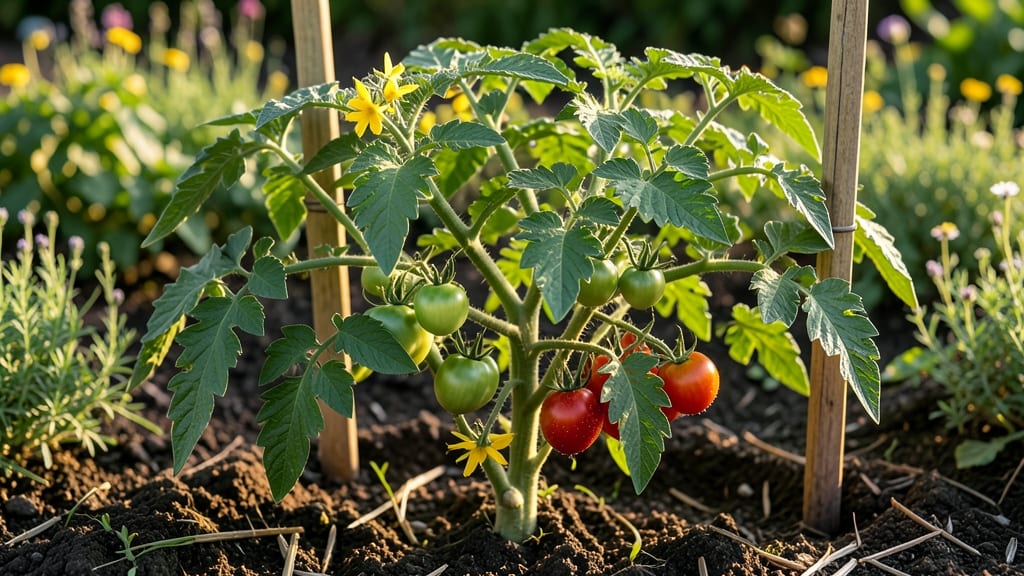
Taking care of tomatoes transforms a handful of seeds into a summer of sun-ripened fruit that tastes nothing like store-bought. 🌱 I’ve learned the hard way—skipping pruning or overwatering can turn your vines into sad, sprawling shadows—but when you nail the basics, you’ll end up with tomatoes so juicy they’ll make your neighbors jealous.
The secret isn’t complicated: sturdy stakes, consistent watering, and pruning at the right time (yes, even tomatoes need a haircut). Most gardeners overlook the blossom-end rot warning signs or let vines flop onto the soil, inviting disease.
But once you master these steps, your plants will reward you with pounds of fruit instead of just a few sad tomatoes hiding under the leaves.
You’ll start with healthy seedlings, move through the pruning process without hesitation, and end with a vine so productive it’ll make you question why you ever bought tomatoes at the store. The key is patience—tomatoes don’t rush, and neither should you.
Works for determinate (bush) and indeterminate (vining) varieties, whether you’re in a hot southern climate or a cooler northern zone. Let’s get those plants thriving!
📚 In This Guide
- What you need
- Instructions
- Tips and common mistakes
- Wrapping up and next steps
What you need
- ● Tomato seeds or seedlings: Choose disease-resistant varieties (like Celebrity or Sungold) suited to your climate. Start with 3–5 plants for a small garden or 10+ for larger harvests.
- ● High-quality potting mix: A sterilized, well-draining blend (e.g., 60% peat moss, 20% perlite, 20% compost). Avoid garden soil—it can harbor diseases!
- ● Containers or garden bed: Containers: 5-gallon pots or larger (tomatoes need space!). Ensure they have drainage holes.
- ● Garden bed: Full sun (6–8+ hours/day) and loose, fertile soil with a pH of 6.0–6.8.
- ● Fertilizer: Balanced starter fertilizer: 10-10-10 or 5-5-5 (1 tbsp per plant at transplanting).
- ● Tomato-specific fertilizer: High in phosphorus and potassium (e.g., 5-10-10) for flowering/fruiting.
- ● Watering supplies: Drip irrigation or soaker hose: Best for consistent moisture (avoid overhead watering to prevent disease).
- ● Watering can with a rose attachment: For smaller setups.
- ● Pruning shears: Bypass pruners (sharp, clean, and sterilized with rubbing alcohol between uses).
- ● Stakes or cages: Stakes: 6–8 ft tall (bamboo or metal). Use 2–3 stakes per plant for indeterminate varieties.
- ● Cages: 5–6 ft tall (galvanized wire, 18–24 inches wide).
- ● Soft plant ties: 100% cotton or fabric strips (avoid plastic—it can cut into stems).
- ● Gloves: Garden gloves (to protect from thorns and blight spores).
- ● Mulch: Straw or black plastic to retain moisture and suppress weeds.
- ● Epsom salt: 1 tbsp dissolved in a gallon of water (spray on leaves for magnesium boost).
- ● Café grounds: Sprinkle around the base to deter pests and add nitrogen.
- ● Shade cloth: 30–50% coverage for hot climates (protects blossoms from heat stress).
- ● Blossom set spray: Hydrogen peroxide (1 tsp per gallon of water) to prevent blossom drop.
Instructions for pruning, staking, and blossom care in tomato plants
Here's how I transform wild, sprawling tomato vines into structured, high-yielding powerhouses.
✂️ Step 1: Prune for Airflow and Fruit Production
Start pruning when plants reach 12-18 inches tall, focusing on removing suckers—those small shoots forming in the leaf axils between main stems and branches. These compete with your fruit for energy. I use clean, sharp pruning shears to snip suckers at their base, not tearing the stem which invites disease. Leave only 1-2 strong suckers near the bottom if growing determinate varieties, but remove all others on indeterminate types.
Watch for first flower clusters—these appear about 4-6 weeks after transplanting. Prune any leaves shading these blossoms to improve air circulation and sunlight exposure. The goal is 70% leaf removal below the first flower cluster by harvest time. You'll see thicker stems and heavier fruit loads within weeks of consistent pruning.
🪴 Step 2: Install Stakes or Cages Early
Set up stakes (5-6 feet tall) or cages (4-5 feet tall) at planting time for indeterminate varieties, or 3-4 feet for determinate types. Drive stakes 6 inches deep into the soil for stability, or bury cages completely. I tie main stems to stakes using soft plant ties every 12 inches as the plant grows, adjusting weekly to prevent stem damage. Never use wire or anything that can cut into the vine.
For caged varieties, gently weave vines through the cage structure as they grow. This prevents the plant from leaning against one side, which creates weak growth. You'll notice straighter stems and better fruit distribution when done properly. If you wait until plants are large to stake, you risk wind damage and broken stems.
☀️ Step 3: Optimize Blossom Set and Fruit Development
When first flowers appear, check for pollen on the anthers (the yellow parts). If flowers aren't setting fruit, gently shake plants in the morning to aid pollination. For indoor growers, use a small paintbrush to transfer pollen between flowers. I also ensure consistent watering—fluctuating moisture causes blossom drop. Water at the base only, avoiding wet foliage to prevent fungal issues.
As fruit sets, remove small, green tomatoes if you have limited space or want larger yields. Keep only 3-5 tomatoes per cluster on indeterminate varieties. You'll see faster ripening and larger fruit size when you limit the plant's energy output. For determinate types, let all fruit stay—they produce all at once and ripen together.
💧 Step 4: Adjust Care as Fruit Matures
When tomatoes reach ping-pong ball size, reduce nitrogen-heavy fertilizers and switch to potassium-phosphorus blends to boost ripening. I apply a balanced 5-10-10 fertilizer every 2-3 weeks during fruiting. Watch for yellowing lower leaves—this is normal as the plant redirects nutrients to fruit. Remove only severely yellowed leaves, leaving healthy ones to photosynthesize.
As harvest approaches, reduce watering slightly in the final 2 weeks to concentrate flavors. You'll notice brighter colors and sweeter taste in properly ripened tomatoes. For green tomatoes that won't ripen on the vine, pick them and store in a paper bag with a banana to speed up ethylene gas production and ripening.
Tips & tricks for pruning, staking, and blossom care in tomato plants
Transforming sprawling tomato vines into productive powerhouses starts with these game-changing techniques.
Timing is Everything: Begin pruning when plants reach 12-18 inches tall—this is when they develop enough energy to handle the stress. I always check for suckers (those little shoots in leaf axils) every 7-10 days during active growth. Early pruning prevents overcrowding and directs energy to fruit production. The key is consistency: 70% leaf removal below the first flower cluster by harvest time transforms your plants from wild vines to structured producers.
Staking Strategy: Install 5-6 foot stakes or 4-5 foot cages at planting time for indeterminate varieties—waiting risks wind damage and broken stems. I use soft plant ties every 12 inches up the stem, adjusting weekly to prevent constriction. Pro tip: Bury stakes 6 inches deep for maximum stability. For caged varieties, weave vines gently through the structure to distribute weight evenly—this prevents lopsided growth and maximizes yield.
Blossom Boost: When first flowers appear (around 4-6 weeks after transplanting), check for pollen on the anthers. If flowers aren't setting fruit, shake plants gently in the morning or use a paintbrush to transfer pollen indoors. Consistent base watering (never wet foliage) prevents blossom drop. After fruit sets, thin clusters to 3-5 tomatoes on indeterminate varieties—this forces the plant to produce larger, sweeter fruit faster.
Fertilizer Fine-Tuning: Switch to 5-10-10 potassium-phosphorus blends when tomatoes reach ping-pong ball size. Apply every 2-3 weeks during fruiting, but reduce nitrogen-heavy fertilizers to prevent leafy growth at the expense of fruit. I notice brighter colors and sweeter flavors when I follow this timing—it's all about redirecting the plant's energy where it matters most.
Pro Tips for Taking Care Of Tomatoes
- Transforming sprawling tomato vines into productive powerhouses starts with these game-changing techniques.
- Timing is Everything: Begin pruning when plants reach 12-18 inches tall—this is when they develop enough energy to ha...
- Staking Strategy: Install 5-6 foot stakes or 4-5 foot cages at planting time for indeterminate varieties—waiting risk...
Frequently asked questions
Got questions about growing tomatoes?
You’re not alone! Here are answers to the most common concerns—from pruning to pests—so you can keep your vines thriving and productive.
How often should I prune my tomato plants?
Prune your tomatoes regularly but gently—about once a week during the growing season (spring to early summer). Focus on removing suckers (small shoots in the leaf axils) and lower leaves to improve airflow. Over-pruning can stress the plant, so aim for 20-30% of foliage removal max. Pro tip: Stop pruning 2-3 weeks before harvest to let energy go to fruit!
Do I really need to stake or cage my tomatoes?
Staking or caging prevents disease (by keeping leaves off the ground) and boosts yields by directing energy to fruit instead of sprawling vines. Use bamboo stakes, trellises, or sturdy cages—just tie stems loosely with soft material (like old T-shirts) to avoid damaging the plant. Indeterminate varieties (like 'Sungold') need support—they grow all season long!
When should I remove blossoms for better fruit?
Pinch off early flowers (first 2-3 weeks) on young plants to encourage stronger root and stem growth. After that, let flowers stay—removing them later can reduce yield. Exception: If your plant is struggling (yellow leaves, weak stems), remove some blossoms to redirect energy to recovery. Watch for signs of overburdening!
What’s the fastest way to fix tomato hornworms or other pests?
Spot a hornworm? Squish it (they’re fast!) or drop it in soapy water. For aphids, spray with a mix of water + dish soap or introduce ladybugs. Blossom end rot? Add calcium (crushed eggshells or lime) to soil and keep moisture consistent. Here’s a quick cheat sheet:
| Pest/Disease | Fix It Fast |
|---|---|
| Hornworms | Handpick + drop in soapy water |
| Aphids | Soapy water spray or neem oil |
| Blossom end rot | Add calcium + mulch to retain moisture |
| Fungal spots | Remove infected leaves + improve airflow |
Can I grow tomatoes in containers? What’s the best setup?
Yes! Tomatoes thrive in containers if you choose the right size (5+ gallons) and drainage. Use indeterminate varieties (like 'Cherry Roma') for pots—they climb and save space. Add balanced fertilizer every 2 weeks and water deeply daily (containers dry out faster). Pro tip: Place pots in full sun (6+ hours) and use self-watering systems for vacations!
Wrapping up and next steps
Taking care of your tomato plants is a rewarding journey that leads to a bountiful harvest of juicy, flavorful fruits! 🌱 With the right techniques—like pruning for airflow, staking for support, and nurturing blossoms—you’ll be well on your way to a thriving garden. Don’t let challenges discourage you; every gardener faces hiccups, but persistence pays off in the most delicious way.
Now that you’re armed with these secrets, roll up your sleeves and get growing! Start small if you’re new, experiment with varieties, and soon you’ll be sharing your homegrown tomatoes with pride. Happy gardening—your future meals will thank you! 🍅✨