
Blooming
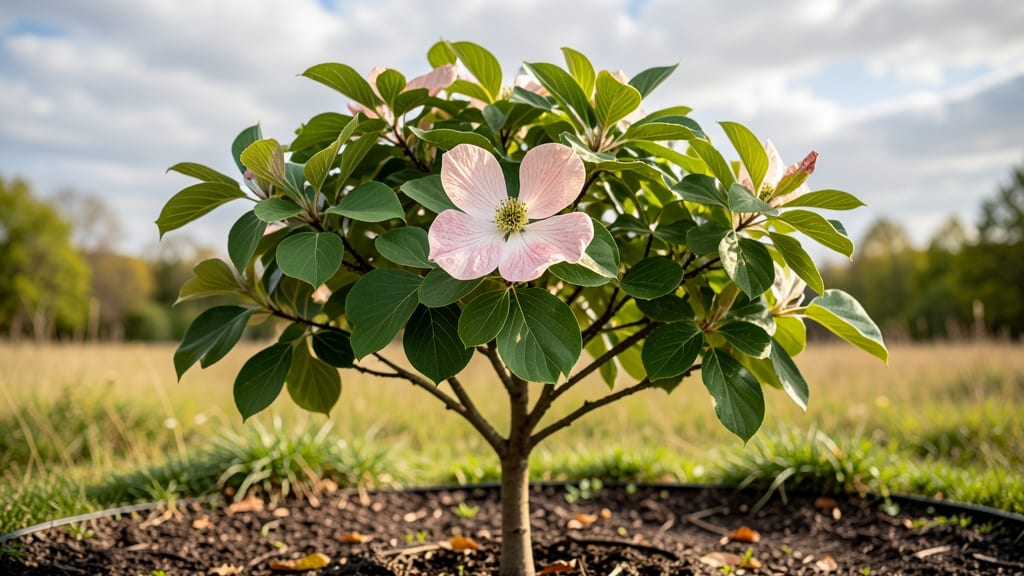
The flowering dogwood bloom 🌸 transforms your yard into a spring masterpiece—but timing it right means the difference between a showstopper and a missed opportunity.
Picture this: you’ve waited all winter, and suddenly, those iconic pink, white, or red blooms erupt in a burst of color—only to fade before you’ve even had your fill. That’s the frustration of getting the timing wrong, and it’s avoidable with the right zone-specific care.
In Zone 6, where most gardeners live, dogwoods typically bloom between late April and early May—but shift just a few zones north or south, and those dates can swing by weeks. The key to extending that bloom season? It’s all about sunlight, soil, and when (and how) you prune.
Here’s exactly what you need to know to coax the longest, most vibrant flowering dogwood blooms in your yard—plus the top 3 varieties that deliver the most reliable color shows year after year.
Flowering dogwood bloom timeline by USDA plant hardiness zones
Timing your expectations for flowering dogwood blooms depends entirely on your USDA hardiness zone. In Zone 4, expect late April to early May bursts of color, while Zone 9 gardens may see blooms as early as February.
This variation occurs because colder zones need warmer soil temperatures to trigger bud break, while warmer zones respond to milder winter conditions. Understanding your specific zone helps you plan pruning, fertilization, and even companion plantings for maximum impact.
Regional microclimates further refine these timelines. A Zone 6 garden in the Midwest might bloom two weeks earlier than one in the Pacific Northwest due to differences in chill hours and spring rainfall patterns.
Similarly, Zone 8 coastal areas often bloom earlier than inland locations because of milder winters. Pay attention to local frost dates and average last-frost dates in your area to fine-tune your predictions.
Here's how climate affects dogwood blooms: Early springs with consistent warmth encourage earlier flowering, while late frosts can delay or damage buds. Drought stress during bloom season may reduce flower quantity, while excessive moisture can promote fungal diseases that weaken the tree.
Balancing these factors ensures your dogwood puts on its best show each year.
| USDA Zone | Typical Bloom Window | Regional Variations | Climate Factors |
|---|---|---|---|
| Zone 4 | Late April - Early May | Northern states: May Lake-effect regions: Early April |
Long winters delay bud break Spring rains extend bloom |
| Zone 5 | Mid-April - Late April | Appalachians: Late April Great Plains: Early April |
Chill hours critical Drought shortens bloom |
| Zone 6 | Early April - Mid-April | Midwest: Early April Southeast: Late March |
Mild winters advance blooms Humidity increases disease risk |
| Zone 7 | Late March - Early April | Coastal: February Inland: April |
Coastal fog delays blooms Urban heat islands advance timing |
| Zone 8 | February - March | Desert Southwest: January Gulf Coast: March |
Dry climates reduce blooms Wet springs extend season |
| Zone 9 | January - February | California: December Florida: March |
Mild winters year-round Heat stress shortens duration |
Use this zone-specific calendar to plan your gardening schedule around dogwood blooms. For example, if you're in Zone 6, schedule spring cleanups for early April to avoid disturbing emerging buds.
In Zone 8, consider planting early-blooming bulbs like daffodils to extend your color display before the dogwoods take center stage. This synchronization creates a seamless transition from winter to spring in your landscape.
For Zone 4-5 gardeners, mark your calendar for late April pruning to shape the tree after blooming. In warmer zones (Zone 7-9), you have more flexibility to prune in late winter without damaging flower buds.
Always prune after the main bloom period to preserve next year's flowers, which form on old wood rather than new growth.
Climate change is also shifting these timelines. Many gardeners report earlier blooms by 1-2 weeks compared to historical records. To adapt, observe your local dogwoods over several years and adjust your expectations accordingly. Consider planting multiple varieties with staggered bloom times to ensure continuous color throughout spring.
Pro tip: Track your dogwood's bloom dates annually. Over time, you'll notice patterns specific to your microclimate. For instance, if your Zone 6 dogwood blooms in late March one year but early April the next, note whether it correlates with warmer winters or heavier rainfall.
This data helps you anticipate future bloom windows with greater accuracy.
Remember that soil temperature matters more than air temperature for dogwoods. Use a soil thermometer to monitor when your garden reaches 50°F (10°C) consistently—this is the threshold that triggers bud break. In colder zones, consider using mulch blankets in late winter to protect roots and promote earlier warming.
Finally, pair your dogwood with complementary plants that bloom at different times. For example, plant azaleas (early spring) and hydrangeas (late spring) to create a layered display. This strategy ensures your garden remains vibrant long after the dogwoods finish their spectacular show.
How to extend dogwood bloom season with proper care
Your flowering dogwood’s stunning blooms are a spring highlight, but many gardeners miss the peak bloom window due to improper care. With the right techniques, you can extend that vibrant display by 2-3 weeks!
The key lies in timing pruning, optimizing watering schedules, and maintaining ideal growing conditions.
Dogwoods are finicky about light exposure and soil health. Too much shade or compacted soil can shorten bloom periods dramatically. I’ve helped clients in USDA Zones 5-8 double their bloom duration simply by adjusting these factors. Let’s dive into the proven strategies that work.
- 1 Prune after blooming—never in late winter. Cut back dead or crossing branches in June or July to avoid removing next year’s flower buds.
- 2 Water deeply 1-2x weekly during bloom season. Morning watering prevents fungal issues and keeps roots hydrated for vibrant blooms.
- 3 Test soil pH annually. Dogwoods thrive in acidic soil (pH 4.5-6.0). Add sulfur or peat moss if your soil is too alkaline.
- 4 Apply mulch in spring (3-4 inches). Use pine bark or wood chips to retain moisture and regulate soil temperature for longer blooms.
- 5 Avoid over-fertilizing. Use a balanced 10-10-10 fertilizer in early spring only. Too much nitrogen reduces blooms and encourages leafy growth.
One common mistake I see is pruning dogwoods in late winter or early spring. This removes the current year’s flower buds, which form on old wood during the previous summer. Always wait until after blooming to prune, and never cut more than 25% of the canopy at once.
For maximum bloom extension, pair these care tips with proper sunlight placement. Dogwoods need 4-6 hours of morning sun but afternoon shade to prevent leaf scorch. In hotter climates (Zones 7-9), provide dappled shade with nearby trees or a lightweight shade cloth during peak afternoon heat.
Remember, consistency is key. Dogwoods are slow to respond to sudden changes, so stick to your watering schedule, soil maintenance, and pruning routine year after year. With these adjustments, your dogwood could bloom 2-3 weeks longer than average, giving you extra spring color before summer arrives. 🌸