
Shrubs
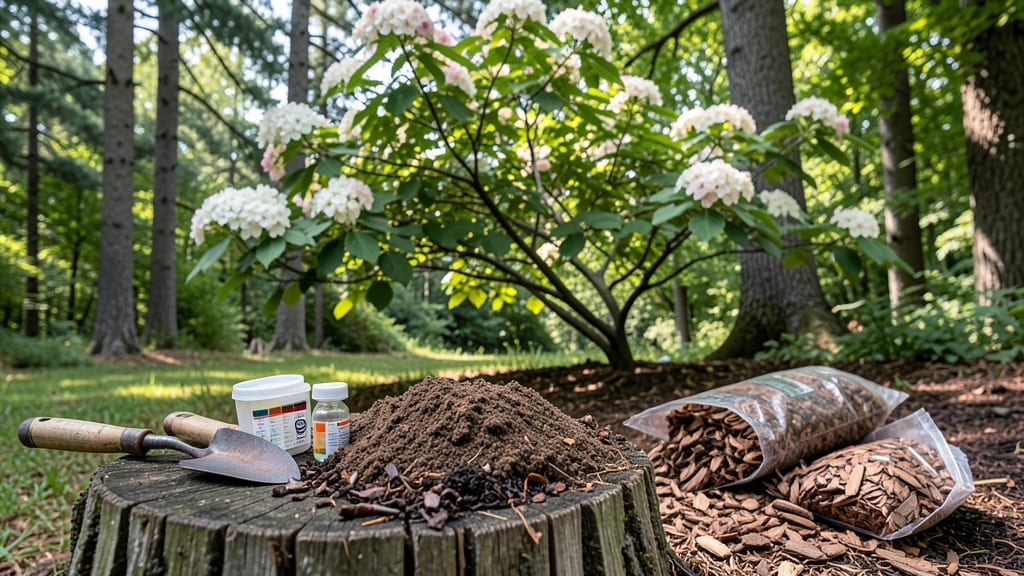
The flowering dogwood soil requirements demand well-draining, acidic soil with a loamy texture to thrive and produce those stunning spring blooms 🌸.
Struggling to get your flowering dogwood to bloom? The secret might be hiding in your soil—this shade-loving beauty thrives only in specific conditions. Too much clay or alkaline soil can leave your tree stunted and sparse-flowering, while the right mix unlocks vibrant blooms and lush foliage.
We’ll break down the ideal soil composition—including pH levels, organic matter, and drainage—plus how to test and adjust your current soil for peak performance.
By the end, you’ll know exactly how to prepare, amend, and maintain the perfect growing environment for your flowering dogwood, ensuring years of breathtaking spring displays.
Ideal soil composition for flowering dogwood trees
If your flowering dogwood isn't producing those stunning white or pink blooms, your soil might be the culprit. These trees are finicky about their growing medium, preferring a well-draining, acidic loam rich in organic matter.
Without the right conditions, roots struggle, and flowering suffers. Let’s break down exactly what your dogwood needs to thrive—and how to create it.
Native to woodland understories, flowering dogwoods evolved in moist, humus-rich soil with good aeration. In your garden, this translates to a mix that’s 40% sand, 40% silt, and 20% clay, with a pH between 4.5 and 6.0.
Too alkaline or compacted? Your tree will fight just to survive, let alone bloom. Let’s fix that.
| Soil Requirement | Specification | Ideal Amendments |
|---|---|---|
| Texture | Loamy (40% sand, 40% silt, 20% clay) | Peat moss, compost, perlite |
| pH Level | 4.5–6.0 (acidic) | Sulfur, pine bark fines, compost |
| Organic Matter | 3–5% by volume | Leaf mold, worm castings |
| Drainage | Well-draining (no standing water) | Coarse sand, gravel layer |
| Moisture | Consistently moist (not soggy) | Mulch with wood chips |
Start by testing your current soil composition with a simple jar test or pH kit. Fill a jar halfway with soil, add water, and shake. Let it settle for 24 hours. The layers should show sand (bottom), silt (middle), and clay (top).
If your soil is too heavy with clay, mix in 3 inches of compost and 1 inch of perlite to improve aeration. For sandy soil, add 2 inches of peat moss to retain moisture.
Your flowering dogwood’s pH is non-negotiable—aim for acidic soil between 4.5 and 6.0. Test with a digital pH meter or home test kit. If your soil is too alkaline (pH > 7.0), amend with elemental sulfur (1 lb per 100 sq ft) or pine bark fines.
For overly acidic soil (pH < 4.5), mix in lime sparingly—just enough to raise the pH by 0.5 units.
Never skip the organic matter—your dogwood’s roots crave it. Work in 3–5% compost or leaf mold annually to replenish nutrients. Think of it as a slow-release fertilizer that improves soil structure over time.
Avoid fresh manure, which can burn roots due to high ammonia levels. Instead, opt for well-aged compost or worm castings for a gentle boost.
Drainage is another make-or-break factor. Dogwoods hate waterlogged roots, which lead to root rot and poor blooming. If your yard has clay-heavy soil, create a raised bed or amend with coarse sand and gravel.
For containers, use a mix of 50% peat moss, 30% pine bark, and 20% perlite to ensure excess water drains away within 24 hours.
Mimic the woodland understory by mulching with 3–4 inches of pine needles or wood chips. This keeps soil cool, moist, and acidic while suppressing weeds. Replenish mulch annually, but keep it 2 inches away from the trunk to prevent rot.
A 3-inch layer of mulch can reduce water loss by up to 50%, saving you time and effort.
If your dogwood is already planted, don’t panic—you can still improve the soil. Dig a 12-inch-deep hole around the drip line (the edge of the tree’s canopy), and fill it with a mix of compost, peat moss, and pine bark.
Water deeply to help the amendments settle. Repeat this process every 2–3 years to maintain optimal conditions for blooming.
Remember, healthy roots = vibrant blooms
How to test and adjust soil pH for dogwood blooms
Your flowering dogwood's vibrant blooms depend heavily on soil acidity. These shade-loving trees thrive in acidic soil with a pH range of 4.5–6.0. If your soil is too alkaline or compacted, your dogwood may struggle to bloom—or even survive.
Testing and adjusting the pH is simpler than you think, and it can make all the difference in transforming a lackluster tree into a stunning spring showstopper.
Before making any changes, test your current soil pH using a simple home soil test kit (available at garden centers) or send a sample to your local cooperative extension service for professional analysis.
This step ensures you address the root cause of poor growth rather than guessing. I always recommend testing in early spring or fall when the soil is moist but not waterlogged.
⚠️ callout warning ⚠️
⚠️ Common Mistake: Over-Amending Soil
Many gardeners overcorrect soil pH by adding too much sulfur or lime, which can harm your dogwood's roots. Flowering dogwoods are sensitive to sudden pH shifts—aim for gradual adjustments of 0.5 pH points per year. Always water thoroughly after amending to help distribute materials evenly.
If your soil tests above 6.0, you’ll need to lower the pH using organic amendments like elemental sulfur or peat moss. For every 1 point below 6.0, apply 5 pounds of sulfur per 100 square feet and mix it into the top 6 inches of soil.
I’ve found that pine bark fines also work well—they’re slow-release and mimic the natural woodland conditions dogwoods love.
On the other hand, if your soil is below 4.5, you’ll need to raise the pH slightly. Avoid lime, which can overcorrect and damage roots. Instead, use wood ash (sparingly) or crushed limestone at a rate of 1 pound per 100 square feet.
Always re-test the soil 2–3 months after amending to ensure you’ve hit the ideal range.
After adjusting the pH, mulch heavily with pine needles or shredded bark to maintain acidity and retain moisture. This mimics the natural forest floor where dogwoods grow wild.
I’ve seen dramatic improvements in bloom quantity within just one growing season after proper soil prep—proof that healthy soil equals happy dogwoods.
Remember, patience is key. Soil amendments take time to work, and your dogwood may not show immediate results. But with consistent care, you’ll reward yourself with show-stopping blooms year after year. Happy gardening! 🌸