
Vegetables
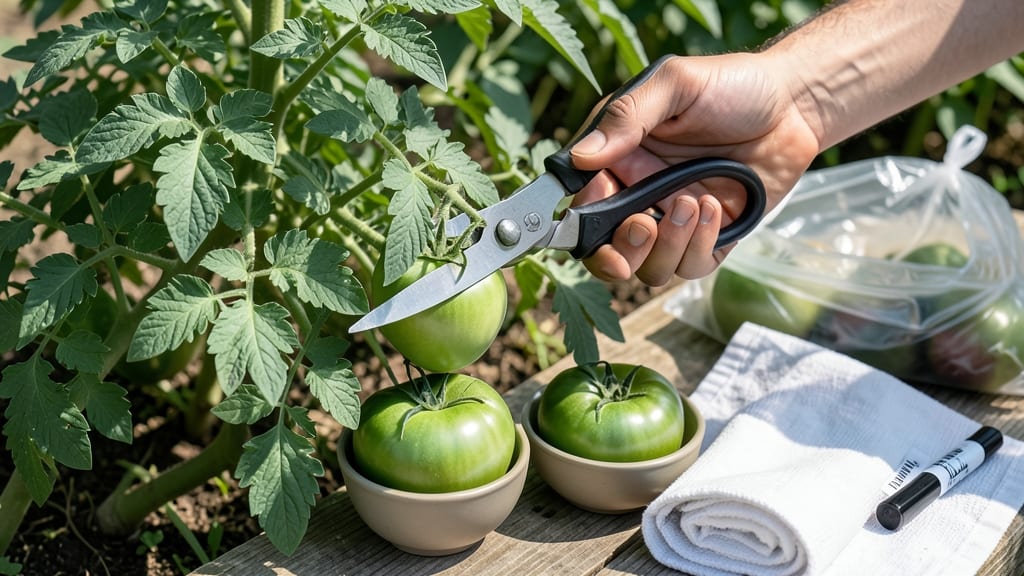
Freezing whole tomatoes without blanching saves time and preserves their vibrant flavor for months. 🌱 I’ve perfected this method after years of dealing with garden-fresh tomatoes that spoiled before I could use them all—now I freeze them whole, skin and all, for sauces, salsas, and soups later in the year.
The secret lies in proper preparation: wash, dry thoroughly, and pack them in airtight containers or freezer bags while still firm but ripe. You’ll need a sharp knife for trimming stems, a colander for drying, and freezer-safe containers.
This method works best for medium-sized tomatoes like Roma or beefsteak varieties, though smaller cherry tomatoes can be frozen too.
When you’re ready to use them, thaw the tomatoes and peel off the skin easily—it’ll slide right off after a quick dip in boiling water. The texture softens slightly, but the flavor stays rich and concentrated, perfect for slow-cooked dishes or fresh summer recipes.
If you notice skin splitting or mold, it’s usually from moisture or improper sealing—just remove affected tomatoes and store the rest. This method is ideal for gardeners with abundant harvests, cutting down on waste and preserving peak-season flavor year-round.
📚 In This Guide
- What you need
- Instructions
- Tips and common mistakes
- Wrapping up and next steps
What you need
- ● Fresh, ripe tomatoes: 1–2 lbs (450–900g), preferably vine-ripened for best flavor. Choose firm but slightly soft tomatoes (gentle squeeze test).
- ● Baking sheet: Half-sheet pan (13x18 inches) or a full sheet pan (18x26 inches) lined with parchment paper or a silicone mat.
- ○ Plastic freezer bags: Heavy-duty, quart-sized (32 oz) or gallon-sized (128 oz) with ziplock seals or vacuum-seal bags (optional but recommended for longer shelf life).
- ● Paper towels: 1 roll (for drying tomatoes).
- ● Permanent marker: To label bags with the date.
- ○ Freezer-safe containers: Optional alternative to bags—use airtight, rigid containers (e.g., glass or BPA-free plastic) with lids.
- ● Vacuum sealer: Extends shelf life to 18+ months by removing air.
- ● Fine-mist spray bottle: Lightly mist tomatoes with water before freezing to prevent sticking (skip if using parchment paper).
- ● Freezer storage box: Organizes bags neatly in the freezer (great for bulk freezing).
- ● Twist ties or rubber bands: Secure bag openings tightly before freezing.
Step-by-step instructions for freezing whole tomatoes without blanching
Here's my foolproof method to preserve tomatoes' texture and flavor—no blanching required.
🌱 Step 1: Select and Prepare the Tomatoes
Pick firm, ripe tomatoes with vibrant color and no soft spots. I like Roma or beefsteak varieties—their thicker skins hold up better during freezing. Wash them gently under cool water to remove dirt, then pat completely dry with a clean towel. Any moisture left on the skin can cause ice crystals to form unevenly.
Leave the tomatoes whole but remove the stems. You can also give them a quick dip in ice water for 10-15 seconds to firm up the skin slightly—this helps prevent bruising during freezing. Don’t skip this step if your tomatoes are overly soft or have thin skins.
💧 Step 2: Pre-Freeze for 24 Hours
Place the tomatoes in a single layer on a baking sheet lined with parchment paper. Pop them into the freezer for 24 hours. This slow freeze prevents the skins from cracking and keeps the tomatoes intact. You’ll see a thin layer of frost form on the skins after about 6 hours—that’s your cue they’re on the right track.
After 24 hours, check the tomatoes. If they’re still flexible but firm, they’re ready for the next step. If any feel rock-hard or show signs of freezing damage (dents or discoloration), leave them in the freezer for another 6 hours. The goal is to freeze them solid enough to handle but not so hard they shatter.
⏰ Step 3: Package for Long-Term Storage
Transfer the frozen tomatoes to airtight containers or heavy-duty freezer bags. Remove as much air as possible before sealing—this prevents freezer burn and keeps the tomatoes tasting fresh. Label each container with the date and variety. I like using vacuum-sealed bags for the best results, but even a simple freezer bag works if you press out the air tightly.
Store the tomatoes in the coldest part of your freezer, ideally at 0°F or below. They’ll keep for up to 10-12 months, though I find they’re best used within 6 months for peak flavor. When you’re ready to use them, thaw in the fridge overnight or cook straight from frozen—no need to defrost!
🌿 Step 4: Thaw and Use in Cooking
When you’re ready to cook, transfer the frozen tomatoes to a pot and cover them with water. Simmer gently for 10-15 minutes until they soften. You’ll notice the skins will peel away easily—this is a sign they’ve thawed properly. Drain and use them in sauces, soups, or stews as needed.
For best results, avoid using these tomatoes in raw dishes like salads or salsas—they’ll be softer than fresh tomatoes. Instead, save them for cooked dishes where their preserved flavor and texture will shine. The skins will break down during cooking, so you won’t even notice they were frozen!
Tips & tricks for perfectly preserved whole tomatoes
These simple strategies will help you get the most out of your frozen tomatoes without sacrificing quality.
The Selection Game-Changer: Don't overlook the ice water dip in Step 1—it's not just about firming up the skin. This quick 10-15 second dip also helps prevent those unattractive ice crystals from forming during the 24-hour freeze. I've ruined batches by skipping this step, and the texture difference is noticeable when thawed.
Freezing Flexibility: The 24-hour pre-freeze time is ideal, but if you're short on time, you can reduce it to 18-20 hours for Roma tomatoes—their thicker skins freeze faster. Just be extra careful when handling them after this shorter freeze, as they'll be slightly more fragile. The key is to check for that thin frost layer after about 6 hours, which tells you the process is working.
Package Like a Pro: When transferring to containers in Step 3, don't just press out air—lay the tomatoes in a single layer first. This prevents them from sticking together and makes it easier to separate them later when you're ready to cook. I like using quart-sized freezer bags because they give me room to arrange the tomatoes properly without crowding.
Thawing Shortcut: While the instructions mention simmering for 10-15 minutes, you can actually use these tomatoes straight from frozen in soups and stews. Just add them to your pot with other ingredients and let them thaw during cooking. The skins will soften and break down naturally, giving you that same rich flavor without any extra prep.
Pro Tips for Freeze Tomatoes Whole Without Blanching
- These simple strategies will help you get the most out of your frozen tomatoes without sacrificing quality.
- The Selection Game-Changer: Don't overlook the ice water dip in Step 1—it's not just about firming up the skin.
- Freezing Flexibility: The 24-hour pre-freeze time is ideal, but if you're short on time, you can reduce it to 18-20 hours for Roma tomatoes—their thicker skins freeze faster.
Frequently asked questions
about freezing whole tomatoes without blanching—because even the simplest methods can spark curiosity! Here’s what you need to know:Can I freeze whole tomatoes directly from the vine?
Yes! Tomatoes are best frozen at peak ripeness (fully red but firm). Avoid overripe or mushy tomatoes—they’ll turn to pulp when thawed. Wash and dry them thoroughly first to prevent ice crystals from forming.
How long can I store frozen whole tomatoes?
Frozen whole tomatoes stay fresh for 8–12 months in an airtight container or freezer bag. After that, texture and flavor may degrade. Label your freezer stash with the date to track freshness!
What’s the best way to thaw frozen whole tomatoes?
Thaw tomatoes in the fridge overnight (gentlest method) or use the microwave on defrost mode. Never thaw at room temperature—it can promote bacterial growth. For cooking, you can also add frozen tomatoes directly to soups or sauces (they’ll soften as they heat).
Will freezing whole tomatoes change their texture when cooked?
Yes! Frozen tomatoes will break down into a sauce-like consistency when cooked, making them perfect for soups, sauces, or stews. If you need whole tomatoes for salads or slicing, freeze them in a tomato sauce or juice instead of plain water.
Can I freeze cherry or grape tomatoes the same way?
Small tomatoes freeze beautifully—just pack them loosely in a single layer on a tray before bagging to prevent clumping. They’re ideal for later use in salsas, pasta dishes, or as a quick garnish.
What if my frozen tomatoes develop freezer burn?
Freezer burn happens when air exposure dries out the tomatoes. To avoid it, squeeze out excess air from bags, use vacuum-sealed containers, or wrap them tightly in plastic wrap before freezing. If mild freezer burn occurs, trim affected spots before cooking.
Wrapping up and next steps
Freezing whole tomatoes without blanching is a game-changer—it’s simple, time-saving, and preserves that fresh-picked flavor for months! Whether you’re prepping for winter soups, sauces, or last-minute meals, this method keeps your tomatoes just as vibrant as the day you picked them.
Now that you’ve mastered the technique, why not stock your freezer with a rainbow of heirloom varieties? Try experimenting with different types (cherry, beefsteak, or Roma) to discover your favorites. Happy preserving—your future self will thank you! 🍅❄️