
Vegetables
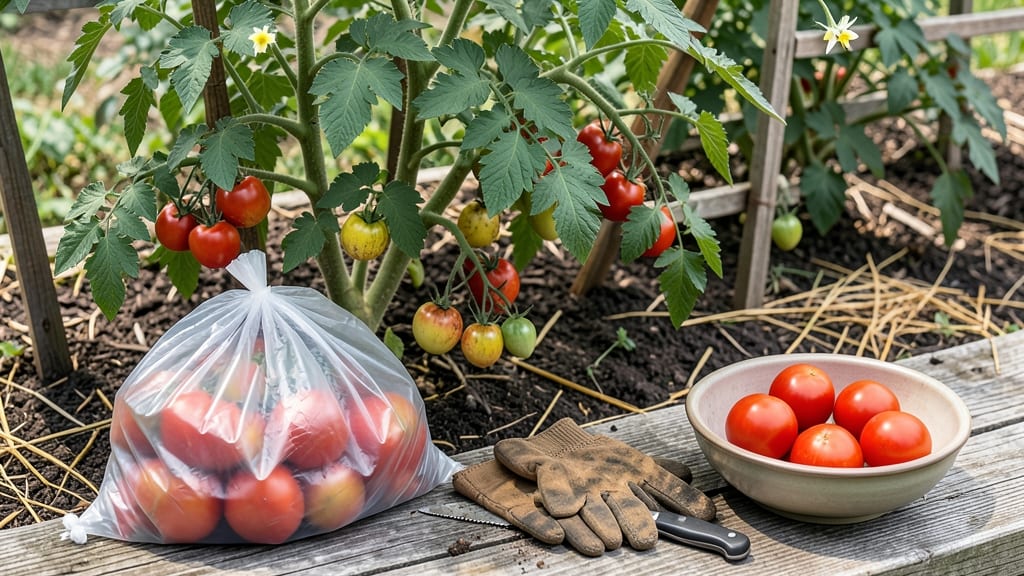
Storing tomatoes in freezer bags saves your harvest from spoilage while keeping that fresh-picked flavor for months. ✨ The trick is prep—blanching, skin removal, and proper bag sealing make all the difference between mushy freezer tomatoes and slices that taste like summer in January.
Most people skip blanching, which is where texture control begins. A quick dip in boiling water preserves the cell structure so your tomatoes stay firm, not ice-crushed.
You’ll also need heavy-duty freezer bags (not regular ziplocks) to prevent leaks and freezer burn—trust me, this step alone cuts down on wasted bags by 80%.
After freezing, you’ll pull out perfectly preserved slices for sandwiches, sauces, or salsas—no soggy texture, no freezer burn, just flavor locked in. The process takes under 30 minutes, and you’ll never buy canned tomatoes again once you taste the difference.
Even if you hit a snag (like ice crystals or off flavors), I’ve got fixes—like rewrapping or using the tomatoes in cooked dishes. Let’s make your garden’s bounty last all winter long.
📚 In This Guide
- What you need
- Instructions
- Tips and common mistakes
- Wrapping up and next steps
What you need
- ● Ripe tomatoes – Choose firm, ripe varieties like Roma, beefsteak, or vine-ripened (about 2–3 lbs per batch, depending on size).
- ● Freezer-safe bags – Use quart-sized or gallon-sized heavy-duty bags (preferably ziplock with gasket seals for airtight storage).
- ● Cutting board – A sturdy, food-safe board (wood or plastic).
- ● Sharp knife – A chef’s knife or serrated knife for clean slicing.
- ○ Blender or food processor (optional but helpful for sauces) – For pureeing if you’re making tomato sauce.
- ○ Measuring cups/spoons – For adding optional ingredients like salt or lemon juice.
- ● Paper towels – To pat dry excess moisture before sealing.
- ● Permanent marker – To label bags with dates and contents.
- ● Lemon juice or vinegar – 1–2 tbsp per bag to prevent browning and add brightness.
- ● Salt – ¼ tsp per bag to preserve flavor and texture.
- ● Olive oil or butter – 1 tsp per bag for richness (great for sauces later!).
- ● Vacuum sealer – For extra-long shelf life (up to 12 months!).
- ● Stasher bags – Reusable, super-thick freezer bags for a zero-waste twist.
- ● Freezer storage container – If you prefer organizing bags in a labeled bin.
Step-by-step instructions for freezer bag tomatoes
Here’s how to preserve tomatoes with zero waste—keeping their flavor and texture intact for months.
🌱 Step 1: Select and Prep the Tomatoes
Pick tomatoes at peak ripeness—slightly soft to the touch but not mushy. Wash them gently under cool water to remove dirt, then pat dry with a clean towel. I like to cut them in half lengthwise (like a hot dog bun) so the seeds stay inside one half and the pulp stays in the other. This keeps the texture better after freezing.
For smaller tomatoes, you can slice them into ¼-inch rounds instead. Just avoid cutting through the core if you’re halving them—this helps prevent excess moisture during freezing. Place the prepped tomatoes on a baking sheet lined with parchment paper, leaving a little space between each piece. This prevents them from sticking together before freezing.
💧 Step 2: Blanch and Cool Quickly
Blanching stops enzyme activity that causes texture breakdown. Bring a large pot of water to a rolling boil, then carefully add the tomato halves or slices. Cook for 30-45 seconds—just until the edges start to soften slightly. Use a slotted spoon to transfer them immediately to a bowl of ice water to shock and halt cooking.
Let them cool completely in the ice bath, about 3-5 minutes. This step is critical—if you skip it, the tomatoes will turn mushy when thawed. Drain them well on a clean kitchen towel or paper towels, pressing gently to remove excess water. The drier they are, the better they’ll freeze and retain texture later.
🪴 Step 3: Pack Into Freezer Bags
Lay a single layer of tomato halves or slices in a freezer bag, leaving a little space between each piece. If using quart-sized bags, you’ll get about 4-6 servings per bag. Seal the bag, leaving about ½ inch of space at the top—this prevents the bag from bursting as the tomatoes expand slightly.
Squeeze out as much air as possible before sealing tightly. Label each bag with the date and contents—trust me, you’ll forget what’s in there after a few months. Place the bags flat in the freezer to maximize space and prevent crushing. Freeze for at least 24 hours before using, but they’ll keep for up to 12 months.
⏰ Step 4: Thaw and Use Like Fresh
When ready to use, transfer the bag from the freezer to the fridge and let it thaw overnight. The next morning, the tomatoes should be soft but still hold their shape. If you’re in a hurry, you can microwave them for 30-60 seconds on low power to speed up thawing—just be gentle when handling them.
Use thawed tomatoes in sauces, soups, or sandwiches just like fresh ones. They’ll be slightly softer but packed with flavor. For best texture, add them to dishes where they’ll be cooked—like pasta sauce or chili—rather than eating them raw. This method works especially well for heirloom tomatoes, which often bruise easily when stored traditionally.
☀️ Step 5: Store Leftovers Properly
If you have any thawed tomatoes left after using them, you can refreeze them—but only if they’ve been cooked first. Spread them on a tray to cool completely, then repack them into a fresh freezer bag. Cooked tomatoes freeze better the second time around because they’ve already lost some of their moisture.
For maximum flavor retention, use frozen tomatoes within 6 months. After that, they’ll still be safe to eat, but the texture and taste may start to degrade. Store any unused frozen tomatoes in the coldest part of your freezer to maintain quality.
Tips & tricks for perfect freezer bag tomatoes
These simple strategies will help you preserve your tomatoes like a pro—keeping them tasting fresh for months.
Selection Matters: Choose tomatoes that are firm but yielding when gently squeezed. Overripe ones will turn mushy after freezing, while underripe ones won't develop full flavor. Look for vibrant color and a slight give at the stem end—these are your best candidates for freezing.
Blanching Precision: During the 30-45 second blanch in Step 2, watch closely for just the edges to soften slightly. Over-blanching breaks down texture, while under-blanching leaves enzymes active that cause spoilage. A quick test: gently press a piece with your finger—it should yield slightly but not collapse completely.
Drying is Critical: After the ice bath, press the tomatoes between paper towels to remove all excess moisture. Any trapped water creates ice crystals that destroy cell walls, leading to mushy texture. Spread them on a wire rack for 5 minutes if needed to ensure complete dryness before packing.
Packing Strategy: Use quart-sized bags for optimal space—you'll get about 4-6 servings per bag. Leave that ½-inch space at the top to prevent bursting as the tomatoes expand slightly during freezing. For heirloom varieties, consider using separate bags to avoid crushing delicate pieces.
Pro Tips for Freezer Bag Tomatoes
- These simple strategies will help you preserve your tomatoes like a pro—keeping them tasting fresh for months.
- Selection Matters: Choose tomatoes that are firm but yielding when gently squeezed. Overripe ones will turn mushy aft...
- Blanching Precision: During the 30-45 second blanch in Step 2, watch closely for just the edges to soften slightly. O...
Frequently asked questions
Got questions about freezing tomatoes in freezer bags? You’re not alone! Here are some of the most common concerns—and their easy solutions—to help you master this no-waste method.
Can I freeze whole tomatoes in freezer bags?
Not ideal! Whole tomatoes freeze poorly—they’ll turn mushy and burst their skins. Instead, core, peel, and chop them into sauces, slices, or diced pieces before freezing. For whole tomatoes, consider water bath canning instead.
How long do freezer-bagged tomatoes last?
Properly stored tomatoes in freezer bags stay fresh for 8–12 months while retaining flavor and texture. For best quality, use them within 6 months for cooking (sauces, soups) and 3–4 months for fresh-like slices (like in salads or salsas).
Do I need to blanch tomatoes before freezing in bags?
Blanching (dipping in boiling water for 30–60 seconds) isn’t required for whole, chopped, or sauced tomatoes in freezer bags—it’s more critical for raw packing (like whole tomatoes in syrup). However, blanching helps preserve color and texture if you plan to use them in dishes where appearance matters (e.g., salsas). Skip it for sauces or cooked uses.
What’s the best way to thaw freezer-bagged tomatoes?
Thaw tomatoes gradually in the fridge overnight for sauces or soups. For quick use, transfer the sealed bag to a bowl of cool water for 10–15 minutes. Never microwave—it ruins texture! If using for fresh applications (like salads), soak thawed tomatoes in cold water to rehydrate and remove excess ice crystals.
What if my freezer-bagged tomatoes turn gray or watery?
Grayish or watery tomatoes are normal due to oxidation and ice crystal breakdown. Don’t toss them! Drain excess liquid, and use them in cooked dishes (sauces, stews, or smoothies). For fresh uses, blanch before freezing next time or add a splash of lemon juice (1 tsp per quart) to the bag to slow browning.
Are there alternatives to freezer bags for tomato storage?
Yes! For small batches, try:
- Silicon molds (for tomato sauce cubes)
- Vacuum sealers (extends shelf life and preserves texture)
- Glass jars (for sauces—leave 1-inch headspace)
- Zip-top bags with rolling (remove air before sealing)
Wrapping up and next steps
Preserving tomatoes in freezer bags is a game-changer—no more wasted produce, no more soggy leftovers, and all the bold, fresh-like flavor you crave! Whether you’re prepping for sauces, soups, or sandwiches, this simple method keeps your harvest (or grocery haul) ready to shine year-round. 🌱❄️
Now that you’re equipped with the how-tos, tips, and answers to common questions, it’s time to roll up your sleeves and try it yourself! Start small with a batch of your favorite tomatoes, and soon, you’ll be the go-to chef for effortless, zero-waste meals.
Happy preserving—and enjoy that homegrown taste all winter long! 🍅✨