
Vegetables
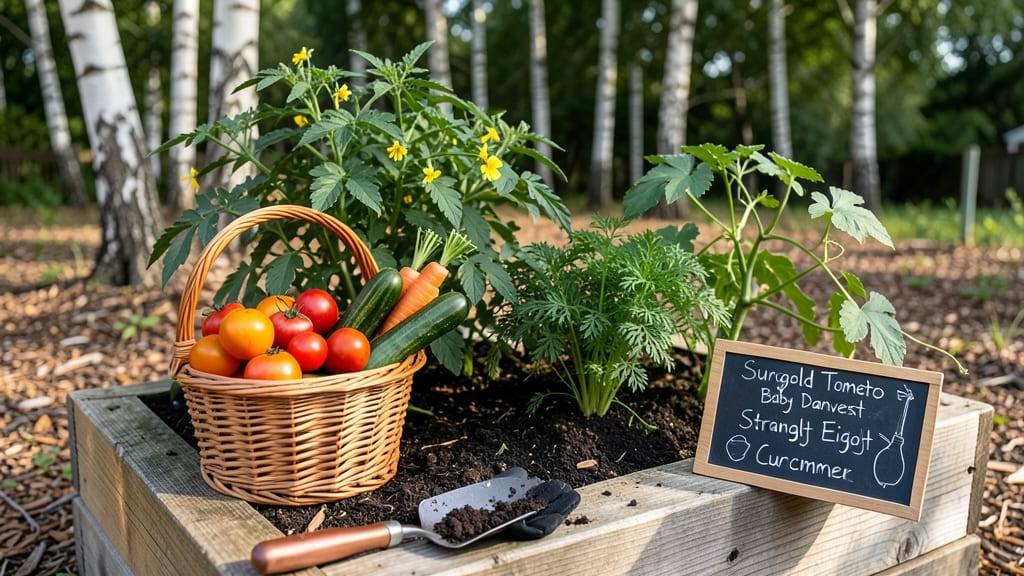
Fruit and vegetable hybrids unlock flavors you won’t find in seed catalogs—like tomatoes that taste like candy or corn so sweet you’d never believe it’s homegrown. 🌱 I’ve grown enough hybrids to know they’re not just about novelty; they’re about disease resistance, higher yields, and flavors that make your neighbors ask for cuttings.
The best part? You don’t need a lab to try them.
Hybrids like ‘Sugar Sprint’ sweet corn or ‘Mountain Merit’ tomatoes are bred to outperform heirlooms in real gardens—not just greenhouses. They handle heat, humidity, and pests better, which means fewer losses and more harvests.
The trade-off? You won’t save seeds from F1 hybrids, but that’s a small price for plants that practically grow themselves.
Start with 3–5 hybrid varieties that match your climate—like cold-hardy ‘Winterbor’ kale or ‘Celebrity’ bell peppers—and focus on soil fertility and consistent watering. Hybrids thrive when given the same care as heirlooms, but they reward you faster. By midsummer, you’ll be wondering why you ever grew anything else.
For sourcing, stick to reputable seed companies like Baker Creek or Johnny’s Selected Seeds—they test hybrids for real-world performance. And if you love the results? Share the bounty (but don’t save those seeds!). The real experiment is in what you’ll grow next season.
📚 In This Guide
- What you need
- Instructions
- Tips and common mistakes
- Wrapping up and next steps
What you need
- ● Parent Plants: 2-3 healthy, disease-free plants of each variety you want to hybridize (e.g., tomato + potato, strawberry + basil). Pro tip: 🌱 Choose open-pollinated or heirloom varieties for best results!
- ● Pollination Tools: Small paintbrush (soft-bristled, like a makeup brush)
- ● Fine-tip tweezers (for delicate flower handling)
- ● Honey or sugar water (1 tsp honey in 1 cup warm water—💡 this mimics natural nectar and attracts pollinators!)
- ● Growing Supplies: Potting soil (sterile, well-draining mix—10-20 lbs depending on container size)
- ● Containers or garden beds (6–12 inch pots for seedlings, or in-ground plots if space allows)
- ● Grow lights or sunny windowsill (12+ hours of light daily for seedlings)
- ● Protection & Tracking: Pollination bags (breathable mesh bags, 3–5 per plant)
- ● Notebook + pen (to log cross-pollination dates and plant traits)
- ● Spray bottle (for misting flowers—🌡️ keep humidity balanced!)
- ● pH testing kit (to monitor soil acidity—ideal range: 6.0–7.0 for most hybrids)
- ● Fertilizer (balanced 10-10-10 or compost tea for nutrient boost)
- ● Pruning shears (for shaping plants and encouraging fruit set)
- ● Food processor or blender (for creating hybrid fruit/veggie purees or sauces!)
- ● Camera (to document your hybrid’s unique traits—🎯 future scientists will thank you!)
How to crossbreed fruit and vegetables for unique hybrids
Here's the method I've used to create bold, flavor-packed hybrids in my own garden.
🌱 Step 1: Select Parent Plants with Complementary Traits
Choose two varieties with desirable characteristics—one as the pollen donor and one as the recipient. I look for traits like disease resistance, flavor intensity, or growth habit. For example, crossing a sweet tomato with a heat-tolerant variety can create a hybrid that excels in both flavor and durability.
Ensure both plants are healthy and flowering simultaneously. I always remove any immature flowers or buds to focus energy on the main blooms. The key is selecting parents that are genetically compatible—some crosses, like squash and pumpkin, are straightforward, while others, like apple and pear, require more expertise.
☀️ Step 2: Isolate and Control Pollination
To prevent accidental cross-pollination, cover one parent plant with a fine mesh bag before it flowers. This ensures only the pollen from your chosen donor plant reaches the recipient. I use breathable fabric to allow light and air circulation while keeping bees and wind out.
On the day of pollination, gently remove the bag from the recipient plant and transfer pollen using a small paintbrush. Collect pollen from the donor plant’s stamens and carefully apply it to the recipient’s stigma. Do this in the morning when flowers are fresh and receptive. Repeat for 3-5 consecutive days to maximize success.
🌿 Step 3: Mark and Monitor Fertilized Flowers
After pollination, mark the fertilized flowers with a small tag or ribbon to track their development. I use colored thread tied around the stem—each color represents a different cross. Watch for the flower to wilt and drop, signaling successful fertilization.
Over the next 4-6 weeks, the fertilized ovary will swell into a fruit. You’ll notice the fruit developing unevenly at first, then gradually taking shape. Keep notes on each hybrid’s progress, including any unusual growth patterns or signs of stress. This helps identify which crosses are thriving and which may need adjustment.
⏰ Step 4: Harvest and Save Seeds for Future Generations
Allow the hybrid fruit to fully ripen on the plant before harvesting. The seeds inside will carry the new genetic combination. Once ripe, cut the fruit open and scoop out the seeds, placing them in a bowl of water. The viable seeds will sink, while empty or immature ones will float—discard the floaters.
Dry the remaining seeds on a paper towel for 3-5 days in a warm, dry place. Store them in a sealed envelope labeled with the hybrid name, parent varieties, and harvest date. These seeds can be planted in the next growing season to evaluate the hybrid’s stability and performance.
✂️ Step 5: Evaluate and Refine Future Crosses
Grow out the saved seeds to assess the hybrid’s traits. Compare flavor, yield, and disease resistance to the parent plants. I always grow at least 4-6 plants per hybrid to account for genetic variation. Note any strengths—like improved sweetness or pest resistance—and weaknesses, such as poor fruit set or susceptibility to cracking.
Use these observations to refine future crosses. If a hybrid shows promising traits but lacks others, consider crossing it with a third variety to introduce additional genes. For example, if your tomato-pumpkin hybrid has great flavor but weak vines, you might cross it with a disease-resistant tomato next time. Patience and record-keeping are key to perfecting your hybrids over generations.
Tips & tricks for perfect fruit and vegetable hybrid experiments
Creating successful hybrids takes patience and precision—here's how to maximize your chances of bold, flavorful results.
Selection Strategy: Focus on parent plants that flower simultaneously and have complementary traits. For example, pairing a cold-hardy tomato with a disease-resistant pepper can create a hybrid that thrives in diverse conditions. I always research bloom times first—some plants like squash and pumpkins have overlapping bloom periods, while others like apples and pears require careful timing. The key is matching flowering windows to ensure successful pollination.
Pollination Precision: Morning is the ideal time for pollen transfer because flowers are freshest and most receptive. Use a soft paintbrush to carefully collect pollen from the donor plant's stamens—avoid pressing too hard, as this can damage delicate structures. For tricky crosses like citrus varieties, I've found that gently tapping the donor plant's flowers over the recipient's stigma works surprisingly well, mimicking natural wind pollination.
Development Documentation: Keep a detailed garden journal tracking each hybrid's progress. Note any unusual growth patterns, such as uneven fruit development or unexpected color changes, as these can indicate successful genetic mixing. I've seen hybrids develop striped patterns or unusual shapes that hint at successful crossbreeding. Pay special attention to the 4-6 week development period mentioned in Step 3—this is when most hybrids reveal their true nature.
Seed Viability Test: The water float test for seed viability is more reliable than it seems. After removing floaters, I recommend soaking the viable seeds in a 1% hydrogen peroxide solution for 10 minutes before drying. This simple step reduces fungal risks and gives your seeds a better chance of germinating. Store seeds in envelopes with silica gel packets to maintain low humidity during the 3-5 day drying period.
Pro Tips for Fruit And Vegetable Hybrids
- Creating successful hybrids takes patience and precision—here's how to maximize your chances of bold, flavorful results.
- Selection Strategy: Focus on parent plants that flower simultaneously and have complementary traits.
- Pollination Precision: Morning is the ideal time for pollen transfer because flowers are freshest and most receptive.
Frequently asked questions
Got questions about fruit and vegetable hybrids?
You’re not alone! Here are some of the most common queries—plus clear, no-nonsense answers to help you dive into crossbreeding like a pro.
Can I crossbreed any fruit or vegetable, or are there rules?
While most plants can be cross-pollinated, success depends on compatibility. For example, tomatoes and potatoes (both nightshades) hybridize easily, but apples and oranges (different families) won’t. Stick to plants in the same genus (e.g., Cucumis for cucumbers/melons) for the best results. Always research parent plants first!
How long does it take to grow a hybrid from seed?
Patience is key! Hybrid seeds from controlled pollination take 1–2 growing seasons to mature. If you’re impatient, try grafting (faster but trickier) or buy pre-made hybrids like pluot (plum + apricot) or tomatoberry (tomato + gooseberry). Pro tip: Keep detailed notes on pollination dates!
What’s the easiest hybrid to create at home?
Start with tomatoes or peppers—they’re beginner-friendly! Use two different varieties (e.g., a sweet cherry tomato + a meaty beefsteak) and hand-pollinate with a paintbrush. Squash and melons are also forgiving. Avoid finicky plants like citrus or berries unless you’re experienced.
Will my hybrid taste as good as the parents?
Not guaranteed! Hybrids can be better (e.g., sweeter, juicier), worse (mealy texture, bland flavor), or somewhere in between. The first generation (F1) is unpredictable—save seeds from the best-tasting hybrids to refine future batches. Taste-test as you go!
What do I do if my hybrid doesn’t grow or looks weird?
Weird is normal! If plants fail, check for:
- Poor pollination: Try again with a different method (e.g., wind vs. hand).
- Incompatibility: Crossbreeding unrelated species often yields sterile or stunted plants.
- Environmental stress: Adjust light, water, or soil—hybrids can be fussier.
Wrapping up and next steps
Fruit and vegetable hybrids aren’t just a quirky experiment—they’re a delicious way to push the boundaries of flavor, nutrition, and creativity in your garden or kitchen! 🌱 From sweet-tart tomatoesapples to vibrant carrot-apricots, these crossbreeds prove that nature’s palette is far from limited. Whether you’re a seasoned gardener or a curious foodie, experimenting with hybrids is an exciting way to grow something truly unique.
Ready to take the next step? Start small—try pollinating a few plants or exploring pre-made hybrids at local farmers' markets. Who knows? Your next culinary masterpiece might just come from a plumcot or a spaghetti squash with a twist! 🍽️