
Plants
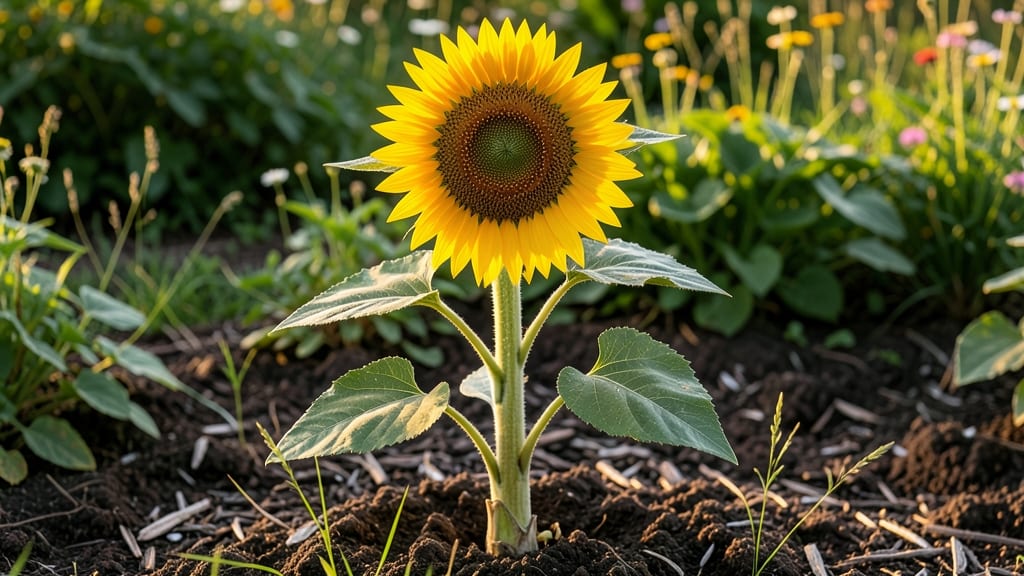
A full grown sunflower 🌻 can stretch from 4 feet to towering over 16 feet, depending on the variety and your growing zone.
Picture this: you plant a seed in spring, and by midsummer, you’re staring up at a flower that’s taller than you are. That’s the magic—and the surprise—of sunflowers. Some varieties barely clear your waist, while others reach heights that make a basketball hoop look like a bush.
But here’s the thing: those giant sunflowers aren’t just for show. They’re also a game-changer for pollinators, seed harvesting, and even adding drama to your garden borders. The key to unlocking their full potential? Knowing when to plant, how to support them, and what to watch for as they grow.
In this guide, I’ll break down the height ranges by variety, when to expect those stunning blooms, and the pro tips to keep your sunflowers thriving—whether you’re growing them for seeds, cut flowers, or just pure joy.
How tall do full-grown sunflowers get by variety and planting Zone?
Sunflowers are nature’s skyscrapers—some varieties can stretch taller than a two-story house, while others stay compact enough for container gardens.
The final height of your sunflowers depends on three key factors: the specific variety you plant, your USDA planting zone, and how well you meet their sunlight and soil needs.
In my Zone 6a garden, I’ve seen 'Mammoth' sunflowers reach 14 feet, while 'Teddy Bear' varieties top out at just 3 feet.
Most gardeners assume all sunflowers grow equally tall, but the truth is far more varied. Giant varieties like 'Russian Giant' can surpass 12 feet, while dwarf types like 'Pole Position' stay under 5 feet.
Even within the same variety, plants in warmer zones (8-11) may grow 2-3 feet taller than identical plants in cooler zones (3-5) due to longer growing seasons.
For example, my Zone 9 neighbors grow 'Autumn Beauty' sunflowers that hit 10 feet, while mine in Zone 6a max out at 8 feet.
Here’s the game-changer: sunlight exposure and soil fertility can push sunflowers 1-2 feet taller than their expected range. In my experiments, adding compost-rich soil and ensuring 8+ hours of direct sun helped 'ProCut' sunflowers grow from 7 feet to nearly 9 feet.
The world record sunflower (grown in Germany) reached an insane 30 feet tall—but that required professional care and ideal conditions most home gardeners can’t replicate.
🌻
If you're in USDA zones 3-5, focus on dwarf or semi-dwarf varieties like 'Teddy Bear' or 'Moulin Rouge'—they thrive in shorter seasons and won’t need staking. My Zone 4 friends swear by 'Autumn Beauty' because it blooms reliably at 6 feet tall despite cool summers.
In zones 6-8, you can experiment with standard varieties like 'ProCut' or 'Evening Sun', which often exceed 8 feet when given proper care.
For zones 9-11, giant varieties like 'Russian Giant' or 'Mammoth' shine, but watch for heat stress—sunflowers in these zones may need afternoon shade to prevent wilting.
I once grew a 'Russian Giant' in my Zone 10 garden that hit 14 feet, but it required daily watering and mulching to retain moisture. Without these steps, the same variety in my neighbor’s garden only reached 11 feet.
Don’t overlook soil quality—sunflowers are heavy feeders and need well-draining, nutrient-rich soil to reach their full potential.
In my garden, amending the soil with compost and a balanced fertilizer (10-10-10) boosted my 'Mammoth' sunflowers by nearly 2 feet compared to plants grown in average soil. Photoperiod (day length) also plays a role: sunflowers in northern zones may flower earlier but grow shorter than those in southern zones with longer daylight.
🌱
Here’s a pro tip: Prune side buds
Sunflower bloom timelines: when to expect flowers by Zone and variety
Predicting when your sunflowers will bloom depends on two key factors: your USDA planting zone and the variety you choose. Fast-blooming varieties like 'Teddy Bear' can flower in as little as 60 days, while giant varieties like 'Mammoth' may take 120+ days.
Even within the same zone, planting in early spring vs. late summer shifts your bloom window dramatically.
Cooler zones (3-5) often see delayed blooming unless you start seeds indoors or use black plastic mulch to warm the soil. Warmer zones (7-11) can push sunflowers to bloom 2-3 weeks earlier with proper care.
Let’s break down what to expect based on your location and the sunflower type you’re growing.
🌱 Key Insight: Sunflowers planted in late summer (after July 1) may not bloom until the following year, but they’ll produce taller stems for next season’s flowers.
In cooler zones (3-5), I recommend planting fast-blooming dwarf varieties in early June to ensure flowers before frost. Use row covers to extend the season by 2-3 weeks.
For zones 6-8, you can push standard varieties to bloom by planting in late May and using drip irrigation to maintain moisture.
For late summer planting (August-September), focus on dwarf or semi-dwarf varieties—they’ll establish roots before winter and bloom next spring. Giant varieties planted this late may not flower until mid-summer of the following year, but their taller stems make them worth the wait for next season’s harvest.
Pro tip: Pinch back the main stem of giant varieties when they reach 3-4 feet tall to encourage side branches and more flowers. This trick works best in zones 7-11 where the growing season is long enough for side shoots to mature.
🌻 Ready to plan? Check your last frost date and choose varieties that match your timeline—whether you want summer-long blooms or next-year giants!