
Advice
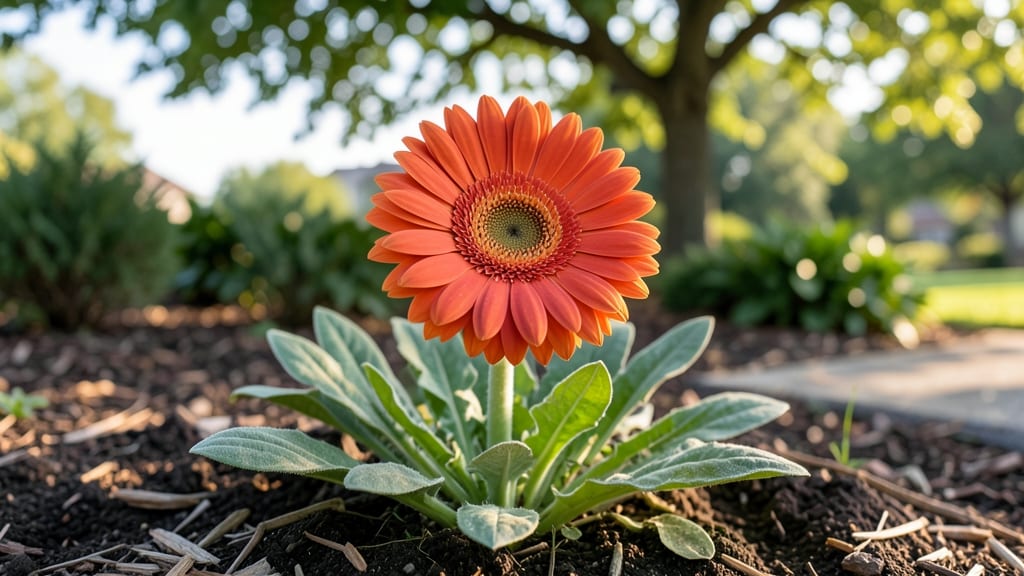
The gerbera daisy flowering season brings bursts of color 🌼 that turn any garden into a vibrant showpiece—but only if you time it right.
Picture this: you’ve waited all spring, and your gerbera daisies finally bloom—only to fade too soon. Or worse, they never open at all. That’s because their flowering window depends on where you live, and missing the mark means missed beauty.
In USDA Zone 6a, for example, the magic happens between July and September, but coastal areas or warmer zones can shift that timeline by weeks.
Whether you’re growing gerbera daisies as annuals or perennials, sunlight, soil, and seasonal care make all the difference. Too little sun? Flowers flop. Overwatering? Roots rot. But with the right adjustments—like deadheading spent blooms or adjusting fertilizer—you can stretch that peak bloom period for weeks longer.
In this guide, I’ll break down the exact flowering timelines for your zone, share pro tips to keep your daisies blooming, and help you pick the best varieties for your climate. Let’s make sure your garden stays colorful all season long!
Gerbera daisy flowering season by USDA hardiness zones: when to expect blooms
Timing your gerbera daisy planting is everything if you want a garden bursting with color. These cheerful blooms thrive in USDA zones 3-11, but their flowering seasons shift dramatically depending on where you live.
In cooler zones (3-5), expect blooms from late June to frost, while warmer zones (8-11) enjoy year-round potential with proper care. Even within the same zone, coastal areas may bloom earlier than inland desert regions.
Gerbera daisies are tender perennials in zones 8-11 but often grown as annuals in colder zones (3-7). This distinction changes your planting strategy entirely.
For example, in Zone 5, you’ll treat them as annuals, planting after frost and enjoying summer blooms, while in Zone 9, they may return year after year with winter protection. Understanding these patterns helps you avoid disappointment and plan for the most vibrant displays.
🌼 Gerbera Daisy Flowering Timeline by USDA Zone
| USDA Zone | Plant Type | Early Blooms | Peak Blooms | Late Blooms | Climate Notes |
|---|---|---|---|---|---|
| 3-4 | Annual | Late June | July-August | Early Sept | Short season; start seeds indoors |
| 5-6 | Annual | Mid-June | July-Sept | Early Oct | Frost-sensitive; mulch for extension |
| 7-8 | Perennial (protected) | May | June-Oct | Nov | May survive mild winters; prune back |
| 9-10 | Perennial | March | April-Nov | Dec | Year-round blooms possible with care |
| 11 | Perennial | Year-round | Year-round | Year-round | Tropical climate; minimal dormancy |
💡 Pro Tip: Coastal areas in Zone 7 may bloom 2-3 weeks earlier than inland regions due to milder temperatures.
In USDA zones 3-4, gerbera daisies are strictly annuals with a short flowering window. To maximize blooms, start seeds indoors 8-10 weeks before your last frost date and transplant after soil warms to 60°F (15°C).
These zones offer the shortest bloom season, typically from late June to early September, so prioritize deadheading to encourage continuous flowering.
For zones 5-6, treat gerbera daisies as tender perennials that may survive winters with heavy mulch or frost cloth. Early blooms appear in mid-June, with peak color from July to September.
In these zones, coastal microclimates often extend the season by 2-3 weeks compared to inland areas. For example, Portland, OR (Zone 8) sees blooms from May to November, while Denver, CO (Zone 5) enjoys only July-September displays.
Gardeners in zones 7-8 can push gerbera daisies to perennial status with winter protection. Plant in well-draining soil and apply 3-4 inches of mulch before frost. These zones offer the longest bloom seasons, from May to November
How to extend gerbera daisy blooming seasons: pruning, deadheading, and seasonal care
Gerbera daisies reward gardeners with bold, cheerful blooms all season—but only if you actively extend their flowering window. Many gardeners miss the mark by skipping deadheading or ignoring light requirements, which cuts bloom time in half.
The secret lies in consistent care that mimics their natural tropical habits, even in cooler climates.
Your gerbera daisies thrive when you prune strategically and adjust care for each seasonal shift. For example, winter protection in Zone 5 prevents early dormancy, while soil pH tweaks in Zone 9 boosts nutrient uptake.
Let’s break down the key techniques to keep your gerberas flowering from spring through fall—or even winter in mild zones.
- Deadhead daily to trigger continuous blooming. Snip spent flowers at the base with clean shears—this prevents seed formation and redirects energy to new buds.
- Provide 6+ hours of sunlight daily. Gerberas wilt without full sun, and partial shade reduces bloom count by 40%.
- Adjust soil pH to 6.0–6.5. Test your soil—gerberas crave slightly acidic conditions. Add sulfur or lime as needed.
- Fertilize every 4–6 weeks with a 5-10-10 NPK blend during growing season. Skip feeding in winter.
- Mulch with 2–3 inches of organic matter to retain moisture and regulate soil temperature, especially in hot or cold zones.
- Protect from frost with row covers in Zones 3–6. Gerberas die back at 28°F—bring potted plants indoors or use frost cloth.
One of the biggest mistakes gardeners make is overwatering, which leads to root rot and stunted blooms. Instead, water deeply but infrequently—gerberas prefer moist (not soggy) soil. In containers, ensure pots have drainage holes to prevent waterlogging, which can cut bloom time by 50%.
For extended flowering in warm climates (Zones 8–11), focus on shade protection during peak summer heat. Use light shade cloth (30–50%) to prevent wilting while still allowing bright indirect light. In cooler zones, winter mulching with straw or leaves insulates roots and encourages earlier spring blooms.
If your gerberas produce fewer blooms than expected, check for nutrient deficiencies. Yellowing leaves often signal low nitrogen, while weak stems may mean phosphorus deficiency. A quick soil test and targeted fertilizer (like 10-20-20) can revive struggling plants mid-season.
With these seasonal adjustments, your gerbera daisies will reward you with nonstop color from spring to fall—or even year-round in frost-free zones. The key is consistency: deadhead, feed, and protect, and your gerberas will keep blooming like clockwork. 🌼