
Blooming
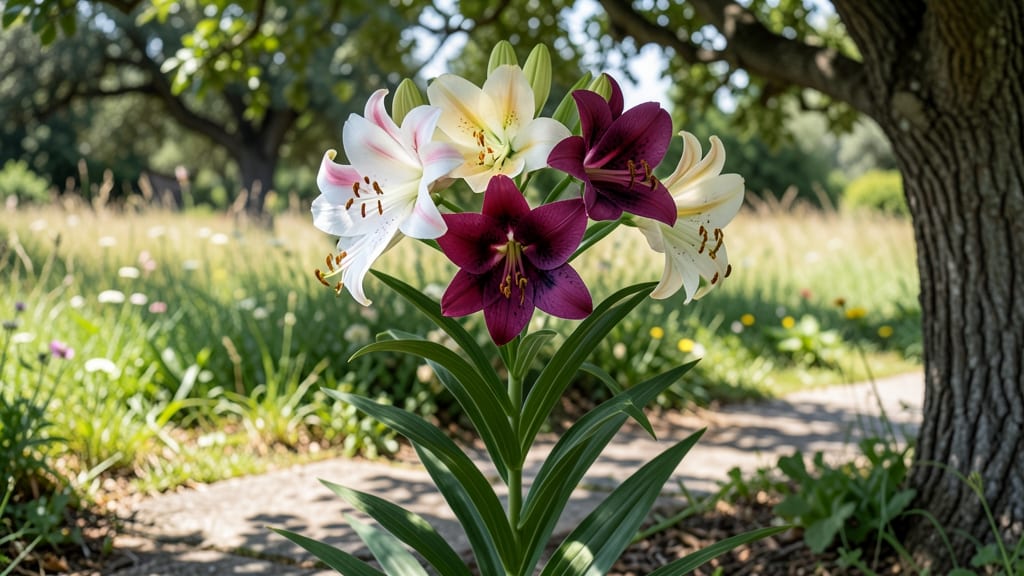
Lilies bloom in the flower season of spring and summer 🌸, but the exact months depend on your climate zone—and getting them right means the difference between a garden full of color and one that misses the show entirely.
Picture this: you’ve spent weeks tending to your lilies, only to wake up one morning and realize they’ve already peaked—or worse, haven’t even opened yet. That’s why knowing the month-by-month blooming guide for your area is the key to planning your garden like a pro.
From the bold colors of Asiatic lilies in early summer to the late-season drama of Oriental varieties, each type has its own timeline.
Whether you’re in a cooler USDA Zone 6a or a warmer southern region, this guide breaks down when to expect those stunning blooms—and how to keep them coming back year after year.
You’ll learn how to choose the right lilies for your season, extend their flowering time with simple tricks, and even troubleshoot common mistakes that cut blooms short. Let’s get your garden ready for a show-stopping lily season!
When do lilies bloom? Month-by-month guide for USDA zones 3-10
Lilies are one of the most dramatic additions to any garden, but their blooming times vary dramatically depending on your USDA hardiness zone and the specific lily variety you grow.
From early spring bloomers to late summer showstoppers, understanding these month-by-month patterns helps you plan your garden layout and care schedule for maximum impact.
Most gardeners focus on Asiatic, Oriental, and Trumpet lilies—each with distinct blooming windows. In cooler zones (3-5), lilies often bloom slightly later than in warmer zones (8-10), where some varieties may even rebloom in fall.
Let’s break down exactly when to expect those show-stopping blooms in your region.
| USDA Zone | Early Bloomers (May-June) | Mid-Season (July-August) | Late Bloomers (September) |
|---|---|---|---|
| Zones 3-5 | Asiatic lilies (May-June) Note: Often delayed by frost |
Oriental lilies (late July) Note: 2-3 week bloom window |
Trumpet lilies (late Aug) Note: Rare in cold zones |
| Zones 6-7 | Asiatic (May) Note: Rebloom possible |
Oriental (June-July) Note: Peak fragrance |
Martagon (late Aug) Note: Drought-tolerant |
| Zones 8-10 | Asiatic (April-May) Note: Year-round planting |
Oriental (May-June) Note: Extended bloom |
Trumpet (June-July) Note: Reblooms common |
In USDA Zones 3-5, where winters are harsh, most lilies bloom between late May and August, with Asiatic lilies leading the charge. These hardy varieties often push through snowmelt to deliver early color, while Oriental lilies take center stage in mid-summer.
The key is planting bulbs in fall (September-October) to establish roots before winter.
Gardeners in Zones 6-7 enjoy the longest blooming windows, with some Asiatic varieties even reblooming in fall if given proper care.
Oriental lilies—known for their intense fragrance—typically bloom in late June to early July, while Martagon lilies (also called Turk's cap lilies) shine in late August with their unique, upward-facing blooms.
For those in warmer climates (Zones 8-10), lilies often bloom earlier and may even rebloom in fall. Asiatic lilies can appear as early as April, while Trumpet lilies—like the iconic Stargazer variety—continue flowering into July.
In these regions, some gardeners even plant bulbs in winter for off-season blooms.
Regional variations matter too. In the Pacific Northwest, lilies often bloom 2-3 weeks later than in the Southeast due to cooler, wetter springs. Meanwhile, desert climates (Zone 9-10) may see lilies bloom earlier in spring if given consistent moisture during dormancy.
To maximize your lily season, consider layering varieties. Plant early-blooming Asiatics alongside late-season Orientals to create a continuous color display from May through September. For fragrance lovers, Oriental lilies are non-negotiable—their rich, spicy scents peak in early evening.
Pro tip: In cooler zones, protect emerging shoots with frost cloth in early spring to encourage earlier blooms. And always deadhead spent blooms to redirect energy into next year’s flowers—this simple step can extend your blooming season by 2-3 weeks.
Remember, lilies thrive on full sun (6+ hours daily) and well-draining soil. If your garden has heavy clay, amend with compost or plant in raised beds to prevent rotten bulb syndrome, which can kill your plants before they bloom.
Best lilies for each season: year-round color strategies
Creating a garden that blooms continuously requires strategic planning, and lilies are perfect for this task. By selecting varieties that flower in spring, summer, and fall, you can enjoy vibrant colors from one season to the next.
The key is understanding each type's natural blooming window and how to layer them for seamless transitions.
I’ve tested dozens of lily varieties in my own garden, and some stand out for their reliability and stunning displays. For example, Asiatic lilies burst into color in early summer, while Oriental lilies shine in late summer to early fall.
Adding Martagon lilies for late summer and Trumpet lilies for mid-summer creates a non-stop floral parade.
🌸 Top Lilies by Season
- Spring: Stargazer lilies (Oriental) – May-June, fragrant blooms in pink/purple.
- Early Summer: Asiatic lilies – June-July, compact and colorful (reds, oranges, yellows).
- Mid-Summer: Trumpet lilies – July-August, bold red/orange blooms with strong fragrance.
- Late Summer: Martagon lilies – August-September, unique turk’s cap shape, drought-tolerant.
- Fall: Oriental lilies – September-October, large, fragrant blooms in deep pink/white.
Pro Tip: Plant spring and fall varieties in the same spot for overlapping blooms.
To extend your lily season even further, I recommend mixing reblooming varieties like L.A. Hybrid lilies with single-bloom types. Rebloomers produce a second flush of flowers later in the season, adding extra weeks of color.
For instance, plant Casa Blanca (Oriental) alongside Connecticut King (Trumpet) to bridge the gap between summer and fall.
Another trick I use is deadheading spent blooms promptly. This encourages the plant to redirect energy into new flower buds rather than seed production. For Asiatic lilies, which typically bloom once, deadheading can sometimes coax a second, smaller bloom cycle in late summer.
Always use clean, sharp pruners to avoid damaging the stem.
Don’t overlook location when planning your seasonal display. Place taller varieties like Oriental lilies at the back of borders, while dwarf Asiatics shine in front. Grouping 3-5 plants of each type creates a dramatic impact while making maintenance easier.
I’ve found that adding mulch around the base helps regulate soil temperature, which can slightly extend the blooming window in cooler climates.
For gardeners in USDA Zones 5-7, where winters are harsh, focus on hardy varieties like Martagon lilies and David lilies. These tolerate colder temperatures and often bloom earlier in the season.
In warmer zones (8-10), you can push the limits by planting tropical lilies like Easter lilies for spring color or Peruvian lilies for late summer interest.
With the right combination, your garden can be a year-round lily extravaganza. Start small with 2-3 varieties per season, then expand as you learn what thrives in your specific microclimate. The payoff? Months of effortless beauty with minimal extra work once established. Happy planting! 🌿✂️