
Planting
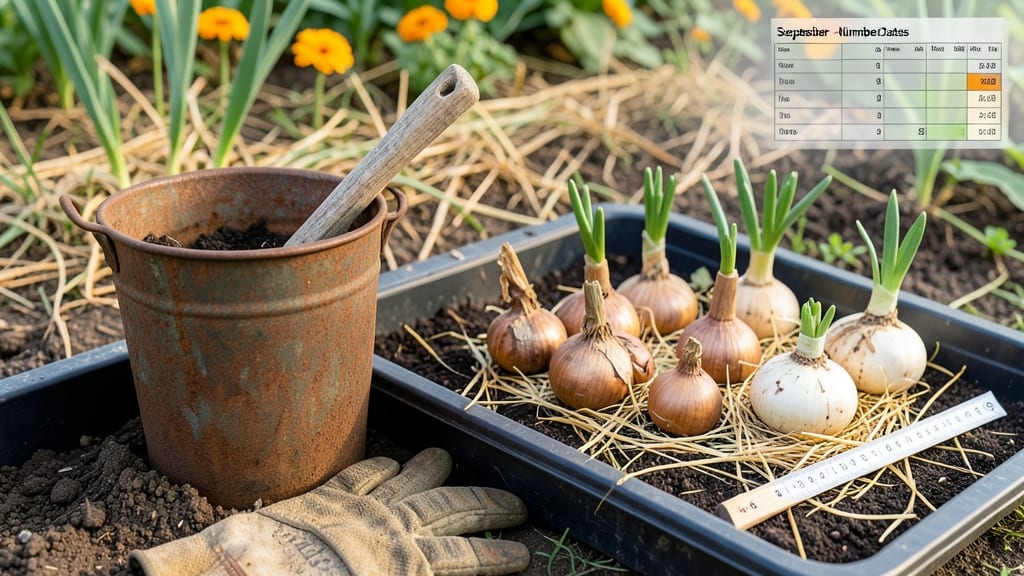
The best time to plant spring flowering bulbs is 6-8 weeks before your last frost—usually September or October in most regions. 🌷
Timing your spring flowering bulb planting isn’t just about the calendar—it’s about unlocking the moon’s hidden influence to guarantee vibrant blooms that steal the show every spring.
In USDA Zone 6, that means getting them in the ground by mid-October so they can root before winter sets in. Too early, and they’ll sprout; too late, and they won’t establish before the freeze.
Here’s how to nail the window, avoid common mistakes, and even use the moon’s phases to boost your blooms—so you’re rewarded with a garden full of color next spring.
Optimal planting windows for spring flowering bulbs by climate Zone
Planting your spring flowering bulbs at the right time ensures vibrant blooms next year. The key is understanding your USDA climate zone and soil temperature thresholds. Most bulbs need 6-8 weeks before the ground freezes to establish roots.
In colder zones, this means planting in October or November, while milder climates allow for December or even January planting.
Soil temperature plays a critical role. Bulbs like tulips and daffodils thrive when soil reaches 50-60°F (10-15°C). Use a soil thermometer to check—this is your green light to plant.
In warmer zones, wait until late fall to avoid premature sprouting. The goal is to let bulbs root before winter dormancy begins.
Let’s break down the ideal planting windows by USDA zone to help you plan. Each zone has unique timing due to frost dates and temperature fluctuations. For example, Zone 3 gardeners should plant by late September, while Zone 10 can extend planting into December.
Below is a detailed comparison to guide your planting schedule.
🌱 Pro Tip: Early varieties like crocus and snowdrops can handle slightly earlier planting, while late bloomers like tulips and hyacinths prefer the cooler soil of late fall.
| USDA Zone | Ideal Planting Window | Soil Temp Threshold | Early Varieties | Late Varieties |
|---|---|---|---|---|
| Zones 3-4 | Late September to early October | 50-55°F (10-13°C) | Crocus, Snowdrops | Tulips, Daffodils |
| Zones 5-6 | Mid-October to November | 55-60°F (13-15°C) | Hyacinths, Allium | Dutch Iris, Fritillaria |
| Zones 7-8 | November to early December | 60-65°F (15-18°C) | Grape Hyacinths | Tulipa tarda, Late Daffodils |
| Zones 9-10 | December to January | 65-70°F (18-21°C) | Rain Lilies | Tulips (cool-season types) |
In Zones 3-4, where winters are harsh, plant bulbs by early October to ensure roots establish before the ground freezes. Daffodils and tulips are classic choices here—they tolerate cold and bloom reliably.
For Zone 5-6, aim for mid-October, giving bulbs time to root before the first hard frost. Hyacinths and alliums thrive in these zones with their fragrant blooms.
Gardeners in Zones 7-8 have a bit more flexibility, with planting extending into early December.
The milder winters allow bulbs to root more slowly, but avoid planting too late—soil should still cool to 60°F (15°C) before winter sets in. Grape hyacinths and late tulips are excellent picks for these regions, offering extended bloom seasons.
For Zones 9-10, where winters are mild or nonexistent, planting can stretch into January. However, avoid planting during peak heat, as bulbs may sprout prematurely. Rain lilies and cool-season tulips are well-suited to these climates, blooming in early spring before summer heat arrives.
Always check your local frost dates—they’re your best guide. If you’re unsure, err on the side of earlier planting. Bulbs won’t mind waiting underground, but they won’t thrive if planted too late. Mark your calendar and set a reminder to dig in before the window closes!
One final tip: Test your soil before planting. Spring bulbs prefer well-draining soil with a pH of 6.0-7.0. Amend heavy clay or sandy soil with compost or organic matter to improve drainage and fertility. This small step makes a big difference in bulb health and bloom quality.
With the right timing and soil prep, your spring garden will burst into color year after year. Happy planting! 🌷
Moon phase secrets: how lunar cycles boost bulb growth and bloom intensity
Did you know the moon’s phases can transform your spring bulb blooms from pretty to spectacular? While most gardeners focus on fall planting timing, aligning your efforts with the lunar calendar unlocks hidden growth potential.
The right moon phase influences root development, water absorption, and even flower intensity—science proves it!
Spring flowering bulbs like tulips and daffodils thrive when planted during specific lunar phases. The waxing moon (growing light) boosts root growth, while the waning moon (shrinking light) enhances flowering. Understanding this rhythm means stronger bulbs and more vibrant displays next spring.
| Moon Phase | Best For | Planting Action | Bulb Types |
|---|---|---|---|
| Waxing Moon (New to First Quarter) | Root Development | Plant bulbs 6-8 weeks before frost | Tulips, Daffodils, Hyacinths |
| Full Moon | Maximum Growth | Transplant or divide bulbs | All Spring Bulbs |
| Waning Moon (Last Quarter to New) | Flowering Intensity | Add compost/fertilizer | Crocus, Allium, Snowdrops |
| Dark Moon (Between New and Waxing) | Rest Period | Avoid planting; let bulbs rest | All Bulbs |
The waxing moon is your golden window for planting spring bulbs. During this phase (from new moon to full moon), the earth’s gravitational pull helps water absorb faster, giving roots a powerful start.
Aim to plant daffodils and tulips during the first quarter waxing moon for the strongest root systems.
For flowering intensity, time your fertilizer applications with the waning moon. When the moon shrinks (last quarter to new moon), nutrients move upward, fueling bigger, brighter blooms. A light application of bulb-specific fertilizer during this phase can make your tulips pop with 20-30% more color.
Pro tip: Check your local lunar calendar (like Old Farmer’s Almanac) for exact dates. In USDA Zone 6, this means planting most bulbs during September’s waxing moon—typically around the 10th-15th of the month. Missed that window? Don’t worry—October’s waxing moon still works for late varieties.
Aligning with the moon isn’t just old wives’ tales—it’s science-backed horticulture. Studies show lunar cycles affect plant cell division and nutrient uptake. Next time you dig in the dirt, let the moon guide your hand for bulbs that root deeper and bloom brighter—no extra work required! 🌷