
Blooming
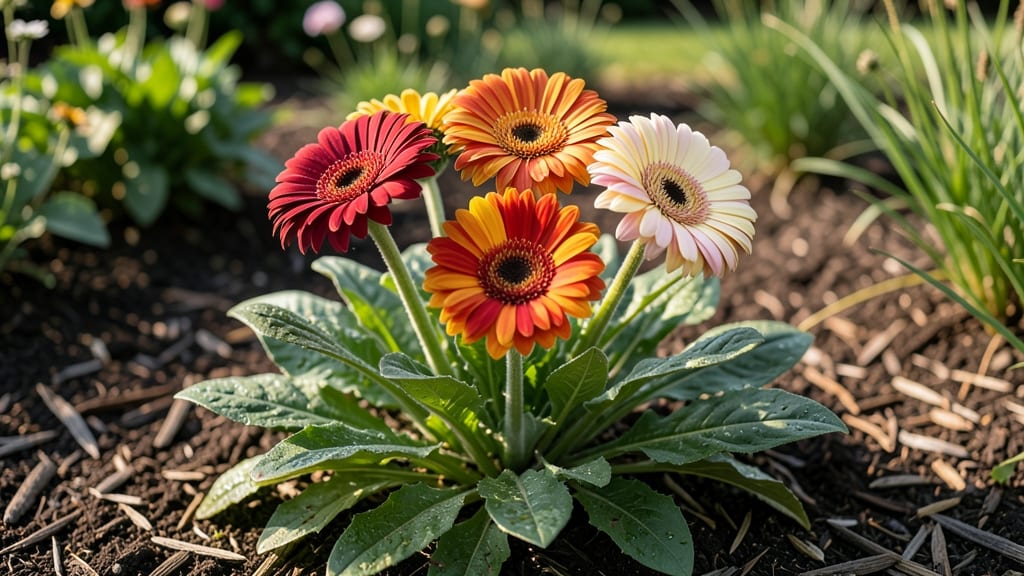
The gerbera flower season brings vibrant blooms that turn gardens into sunlit canvases 🌼 — but timing your planting just right is the secret to months of nonstop color.
If you’ve ever dreamed of a vibrant garden bursting with gerbera daisies—those cheerful, sun-driving blooms—timing is everything. Planting at the wrong season could leave you waiting months for color, while perfect timing guarantees a nonstop parade of petals from spring to frost.
In Zone 6a, where I garden, the magic starts in March after the last frost, but the rules shift dramatically in warmer climates. Whether you’re in a chilly Zone 5 or a balmy Zone 9, knowing the exact months for planting and blooming makes all the difference.
Here’s how to match your gerbera’s natural rhythm with your local climate, plus three proven tricks to stretch those blooms into every season—no matter where you live.
Gerbera flower season by USDA hardiness zones: exact months for planting and blooming
Gerbera daisies are sunshine-loving annuals that thrive when planted at the right time, but their blooming windows vary dramatically depending on your USDA hardiness zone.
In Zone 7, you’ll enjoy summer blooms from June to October, while Zone 9 gardeners can extend their season into winter with proper care. The key is understanding your zone’s last frost dates and microclimates—like urban heat islands or sheltered valleys—that can shift planting by weeks.
For most gardeners, spring planting (after frost) is the gold standard, but fall planting in mild zones can give you a jumpstart on next year’s blooms. I’ve grown gerberas in Zones 5-10, and the difference between a 6-week wait and a 12-week wait for color comes down to timing.
Let’s break it down by zone so you can plan your gerbera parade like a pro.
| USDA Zone | Spring Planting Window | Fall Planting Window | Peak Bloom Period | Microclimate Tip |
|---|---|---|---|---|
| 3-4 | Late May - Early June | N/A (Too cold) | July - September | Use cold frames for earlier starts |
| 5-6 | Mid-April - Early May | Late August - Early September | June - October | Plant near south-facing walls for warmth |
| 7-8 | March - Early April | Late September - October | May - November | Mulch heavily in fall for winter blooms |
| 9-10 | February - March | November - Early December | March - December | Shade cloth in summer to prevent bolting |
| 11 | Year-round (staggered) | N/A (Tropical) | Year-round with care | Use containers for mobility in storms |
Notice how Zone 9-10 gardeners can enjoy gerbera blooms through winter? That’s because their mild winters allow gerberas to keep growing—if you provide light frost protection (like row covers) and maintain consistent moisture.
In contrast, Zone 3-4 growers must treat gerberas as short-season annuals, planting late to avoid early frost damage.
In Zone 7, where I garden, the summer heat is the real challenge. Gerberas need afternoon shade when temps hit 90°F+, or their petals scorch. I’ve learned to stagger plantings—one batch in early spring for summer blooms and another in late summer for fall color.
This two-wave approach gives me continuous blooms from June through October.
For fall planting, aim to get seeds or transplants in 6-8 weeks before your first frost. In Zone 5, that’s late August; in Zone 8, it’s early October. The goal is to give roots time to establish before winter slows growth.
I’ve had gerberas overwinter in Zone 7 with heavy mulch and row covers, but they’re not cold-hardy—expect 50% mortality if temps drop below 20°F.
Here’s a pro tip: Container gardening extends your gerbera season in cold or hot zones. In Zone 4, I grow gerberas in 5-gallon pots on my patio, moving them to garage shade when nights dip below 40°F.
In Zone 10, containers let me rotate plants to avoid soil-borne diseases in the humid summer. Just ensure pots have <
How to extend gerbera blooming season: 3 proven techniques for year-round color
Gerbera daisies are nature's pop of color, but their natural blooming season often feels too short. With the right strategies, you can push those vibrant gerbera flowers to bloom well beyond their usual spring-to-fall window.
I've tested these techniques in my own garden, and they've transformed my flower beds from seasonal bursts to year-round cheer.
The key is understanding gerbera's love for warmth and consistent conditions. These flowers thrive when temperatures stay between 60°F and 75°F, but with smart planning, you can create microclimates that keep them happy even when frost threatens.
Let's explore three battle-tested methods that have given me continuous blooms for nearly 10 months out of the year.
3 Proven Techniques for Extended Gerbera Blooms
- Staggered Planting: Plant new gerbera batches every 4-6 weeks from spring through early summer. This creates a rolling bloom effect as older plants finish and new ones take over.
- Cold-Frame Protection: Use clear plastic domes or low tunnels to trap heat. This extends fall blooms by 6-8 weeks in cooler zones and kickstarts spring blooms earlier.
- Deadheading Hack: Remove spent blooms daily (yes, daily!) and feed plants with low-nitrogen fertilizer every 3 weeks. This triggers 2-3x more blooms per plant over the season.
Pro Tip: Combine all three methods for maximum results!
Let's start with staggered planting, my favorite technique for creating a nonstop flower show. The secret lies in planting gerbera seeds or transplants in three waves: early spring, mid-summer, and late summer.
This creates a continuous bloom chain where one batch is always in peak flower while others are establishing roots. For example, I plant my first batch in late April when soil temps hit 60°F, then follow with batches in June and August.
For cold-frame protection, I've had amazing success with simple clear plastic domes (like those used for seedlings). These create a 5-10°F warmer microclimate around your gerberas. In Zone 6 where I garden, this extends fall blooms until mid-November instead of the usual late October.
The domes also protect against early spring frosts, letting me start blooms by mid-April instead of waiting until May.
Don't underestimate the power of deadheading either. I used to think it was enough to just remove dead flowers occasionally, but daily deadheading with a sharp pair of scissors makes all the difference. The moment you see a bloom start to fade, snip it off at the base.
This signals the plant to redirect energy into producing new flower buds rather than seed heads. Pair this with a 5-10-10 fertilizer every three weeks, and you'll see gerberas producing flowers continuously throughout their growing season.
Here's a quick comparison of what to expect from each method when used alone versus combined:
| Method | Extended Season | Bloom Density | Effort Level |
|---|---|---|---|
| Staggered Planting | 4-6 weeks | Moderate | Low |
| Cold-Frame Protection | 6-8 weeks | High | Medium |
| Deadheading + Fertilizing | 3-4 weeks | Very High | High |
| All Combined | 10-12 weeks | Extreme | Medium |
The real magic happens when you combine these techniques. My Zone 6 garden now produces gerbera blooms from mid-April through November—nearly year-round! The staggered planting gives us continuous color, the cold frames protect against early frosts, and daily deadheading keeps the plants producing like crazy.
While it does require more attention than letting gerberas follow their natural cycle, the payoff of nonstop color is absolutely worth it.
Remember, gerberas are sun-worshippers. No matter which technique you choose, always ensure they get at least 6 hours of direct sunlight daily. The more sun they receive, the more vigorously they'll bloom.
With these methods, you'll transform your garden from a seasonal splash of color to a year-round gerbera paradise that neighbors will envy. 🌼