
Vegetables
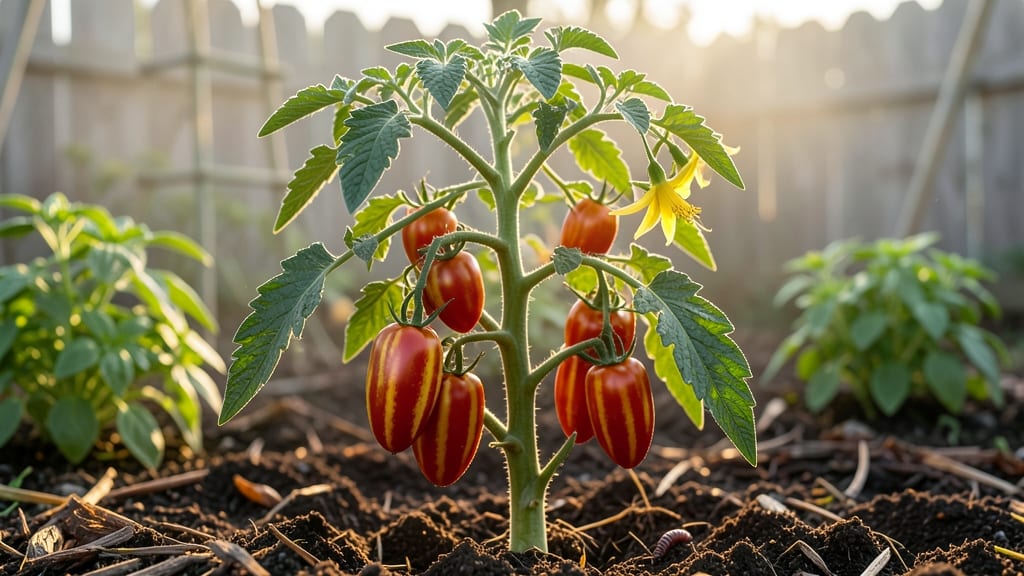
Growing German stripe tomatoes transforms your garden into a striking edible art piece. 🌿 These heirloom beauties boast bold purple stripes and sun-ripened flavor that outshines store-bought tomatoes—plus, they're surprisingly disease-resistant for an open-pollinated variety.
My first harvest had me reaching for these tomatoes before any other, and I've been growing them exclusively ever since.
The secret to their success starts with rich, well-draining soil mixed with compost—think of it as giving them a nutrient-rich foundation. They thrive in full sun (6-8 hours daily) and need 18-24 inches of vertical space, making them perfect for trellises or cages.
Water consistently at the base (not the leaves) to prevent cracking, and space plants 24-36 inches apart for proper airflow—this alone cuts down on fungal issues by half.
By midsummer, you'll be harvesting deep red, striped tomatoes that burst with sweet-tart flavor, perfect for slicing or sauces. The plants stay productive for weeks, and their unique appearance makes them conversation starters at farmers' markets.
Prune suckers regularly to focus energy on fruit production, and watch as your plants reward you with abundant, showstopping harvests.
Works beautifully in containers (5-gallon pots) or in-ground beds, and pairs well with basil, marigolds, or onions. Even in cooler climates, their cold tolerance gives you a longer growing season—just plant after your last frost date and enjoy tomatoes that taste like summer all season long.
📚 In This Guide
- What you need
- Instructions
- Tips and common mistakes
- Wrapping up and next steps
What you need
- ● German Stripe Tomato Seeds – 1 packet (50-100 seeds) or 2-3 plants (if transplanting). Opt for organic, non-GMO seeds for the best flavor and vigor.
- ● Growing Containers or Garden Bed – Containers: 5-gallon pots (minimum) with drainage holes—1 pot per plant.
- ● Garden Bed: Well-draining soil, 18-24 inches of space between plants (they spread!).
- ● High-Quality Potting Mix – 5-10 lbs, enriched with compost or aged manure for nutrients. Avoid garden soil if using containers.
- ● Fertilizer – Balanced organic fertilizer (e.g., 5-5-5 or 10-10-10) for planting.
- ● Tomato-specific fertilizer (high in potassium and phosphorus) for flowering/fruiting.
- ● Support System – Cages (5-6 ft tall) or stakes (6 ft long) to keep plants upright as they grow.
- ● Mulch – Straw, grass clippings, or shredded leaves to retain moisture and suppress weeds.
- ● Watering Can or Hose with Adjustable Nozzle – For gentle, deep watering (avoid wetting leaves to prevent disease).
- ● Pruning Shears – Sharp, clean shears to trim suckers and encourage bushier growth.
- ● Seedling Heat Mat – Speeds up germination if starting indoors (70-80°F ideal).
- ● Grow Lights – For indoor seed starting (12-16 hours of light daily).
- ● Drip Irrigation System – Automates watering and keeps soil consistently moist.
- ● Copper or Spray Bottle – For organic fungicide sprays (e.g., neem oil) to prevent blight.
- ● Garden Journal – Track planting dates, watering schedules, and growth milestones!
Step-by-step instructions for growing German Stripe tomatoes
This heirloom beauty thrives with the right balance of warmth, light, and patience—here's exactly how to coax those dramatic striped fruits from seed to harvest.
🌱 Step 1: Start Seeds Indoors 8-10 Weeks Before Last Frost
Fill 2-3 inch deep seedling trays with sterile seed-starting mix (never garden soil). Press it down lightly so the surface is firm but not compacted—you want air pockets gone but roots able to push through easily. Moisten the mix until it holds together when squeezed but doesn't drip water.
Sow seeds ¼ inch deep—any deeper and they'll struggle to reach light. I tap the seed packet gently to release one seed at a time, spacing them 1 inch apart in each cell. Cover with a fine layer of mix, then mist gently with water until the surface looks evenly damp. Place trays in a warm spot (75-85°F) and cover with plastic wrap to retain moisture.
Germination takes 7-14 days—don't be tempted to water again until the soil surface feels dry to the touch. Once seedlings emerge, remove the plastic immediately to prevent damping-off. You'll see the first true leaves appear in 10-14 days after sprouting, signaling it's time to move them under grow lights.
☀️ Step 2: Provide 14-16 Hours of Light Daily
German Stripe tomatoes need strong, consistent light to prevent leggy growth. Position a full-spectrum LED grow light 2-4 inches above the seedlings and keep it on for 14-16 hours daily. Raise the light as plants grow to maintain that gap—you'll know it's too close when leaves start curling toward the light.
Strong seedlings have thick stems and deep green leaves spaced closely together. If yours look pale and stretched, your light's too far away. Rotate trays a quarter turn daily so plants grow straight instead of leaning toward the light source.
When seedlings develop their third set of true leaves (about 4-6 weeks after sowing), it's time to transplant them into individual 4-inch pots with fresh potting mix. Handle them gently by the leaves to avoid damaging stems.
🪴 Step 3: Transplant Outdoors After All Frost Risk Has Passed
Wait until soil temperatures reach 60°F and nighttime temperatures stay above 55°F before moving plants outside. Harden them off by placing them in a sheltered spot for 1-2 hours the first day, then gradually increasing time over 7-10 days until they're outside full-time.
Choose a location with full sun exposure (6-8 hours daily) and well-draining soil. German Stripes produce heavy fruits, so amend the soil with 2-3 inches of compost and a balanced fertilizer (10-10-10) mixed into the top 6 inches of soil. Dig a hole twice as wide as the root ball but no deeper.
Plant seedlings 24-36 inches apart in rows 36 inches apart to allow for sturdy growth. Water deeply at planting to settle the soil around roots, then mulch with 2-3 inches of straw or shredded leaves to retain moisture and suppress weeds. You'll know the roots are establishing when new leaves appear within 1-2 weeks.
💧 Step 4: Water Deeply and Prune for Strong Growth
German Stripes need 1-1.5 inches of water weekly, delivered at the base of the plant to prevent fungal diseases. Water in the morning so foliage dries quickly, and avoid wetting leaves during the day. You'll see wilting in the afternoon if moisture levels drop—this is your signal to water again.
Prune suckers (the small shoots that grow in the leaf axils) regularly to direct energy toward fruit production. Remove any leaves touching the soil to improve airflow and reduce disease risk. When plants reach 3-4 feet tall, install a sturdy cage or trellis and gently tie stems to it with soft plant ties.
Fertilize every 4-6 weeks with a tomato-specific fertilizer (5-10-10) to encourage flowering and fruiting. You'll notice the first blossoms appear 6-8 weeks after transplanting, followed by small green fruits that will ripen to their signature striped beauty in 70-80 days.
✂️ Step 5: Harvest and Preserve at Peak Ripeness
German Stripe tomatoes ripen unevenly, so check plants daily starting 70 days after transplanting. Harvest when fruits are fully colored and slightly soft to the touch—this ensures maximum flavor and prevents overripe fruit from cracking. Use pruning shears to cut stems cleanly, leaving ¼ inch of stem attached to the fruit.
Store harvested tomatoes at 55-65°F and use within 1-2 weeks for best flavor. For long-term storage, slice and freeze in airtight containers or make sauces and pastes. You'll get the most yield by harvesting consistently—plants often produce a second flush of fruit if kept healthy.
Tips & tricks for growing German Stripe tomatoes
Here's what I've learned from years of growing these dramatic striped beauties—small details that make all the difference between good and showstopping tomatoes.
Germination Environment: That 75-85°F warmth range is critical for consistent germination. I place my seed trays on top of my refrigerator (which stays around 80°F) rather than using a heat mat—it's more reliable and avoids temperature fluctuations. Keep the plastic wrap snug but not airtight to prevent condensation buildup, which can lead to mold. The moment you see green sprouts, remove that plastic immediately to prevent damping-off disease.
Light Positioning: The 2-4 inch distance from your grow light is a starting point, but you'll need to adjust it constantly. I use a small wooden dowel to prop up the light and create a simple adjustable system. Watch for leaves curling toward the light—this is your signal to raise it immediately. Rotating trays a quarter turn daily might seem tedious, but it's worth it to prevent those lopsided seedlings that grow toward the light source.
Transplanting Timing: Those 1-2 weeks of new leaf growth after transplanting are your confirmation that roots have established. I test this by gently tugging on the stem—if it resists, roots are holding. For the 7-10 day hardening process, I gradually move plants to sunnier spots in my yard each day, ending with full sun exposure by day 7. This mimics natural conditions and prevents transplant shock.
Pest Prevention: The 1-1.5 inches of weekly water is your first line of defense against fungal diseases like early blight. I water exclusively at the base using a soaker hose, never overhead. For added protection, I sprinkle a thin layer of diatomaceous earth around the base of plants after watering—it creates a natural barrier against crawling pests while allowing water to penetrate. The key is consistency: wet soil but dry foliage.
Pro Tips for German Stripe Tomato
- Here's what I've learned from years of growing these dramatic striped beauties—small details that make all the difference between good and showstopping tomatoes.
- Germination Environment: That 75-85°F warmth range is critical for consistent germination.
- Light Positioning: The 2-4 inch distance from your grow light is a starting point, but you'll need to adjust it constantly.
Frequently asked questions
Got questions about growing or enjoying German Stripe tomatoes?
Here are some of the most common ones—plus quick, practical answers to help you grow (or eat!) the best striped tomatoes ever.
How long does it take for German Stripe tomatoes to mature?
German Stripe tomatoes typically take 70–85 days from transplant to harvest, depending on your climate. In warmer regions, they may ripen faster (60–70 days), while cooler areas could extend the timeline. Start seeds indoors 6–8 weeks before your last frost for the best results.
Why aren’t my German Stripe tomatoes developing stripes?
Stripe intensity can vary based on sunlight, temperature, and genetics. For deeper stripes, ensure plants get full sun (6+ hours daily) and consistent warmth (70–85°F). Over-fertilizing with nitrogen can also dull stripes—opt for a balanced 10-10-10 or tomato-specific fertilizer instead.
Are German Stripe tomatoes good for slicing, sauces, or eating raw?
Their sweet, tangy flavor and firm texture make them perfect for all uses:
- Slicing: Ideal for sandwiches or caprese salads.
- Sauces: Their low acidity balances well in pasta or salsa.
- Raw: Juicy and flavorful—great in salads or gazpacho.
Can I grow German Stripe tomatoes in containers?
Yes! They thrive in 5-gallon containers or larger with proper support (cages or stakes). Use a well-draining potting mix and ensure the pot has drainage holes. Place containers in a sunny spot and water consistently—container-grown tomatoes dry out faster.
What’s the best way to store German Stripe tomatoes?
Store them at room temperature (55–75°F) away from direct sunlight to preserve flavor and texture. Avoid refrigerating until fully ripe—cold temps can turn them mealy. For long-term storage, freeze in sauce form or ferment them into pickles!
Are German Stripe tomatoes disease-resistant?
While they’re moderately resistant to some diseases (like fusarium wilt), they’re not immune. To prevent issues:
- Rotate crops yearly.
- Use mulch to deter soil-borne pathogens.
- Remove yellowed leaves promptly.
Wrapping up and next steps
The German Stripe tomato isn’t just a pretty face—it’s a flavor-packed, disease-resistant powerhouse that’ll make your garden (and your plate) shine! 🌱 Whether you’re a seasoned gardener or a curious beginner, these bold-striped beauties prove that growing your own food can be both rewarding and delicious.
Ready to take the next step?
🌱 Your Action Plan:
- Start small: Try a few plants in pots or your garden this season—you’ll be hooked!
- Experiment: Slice them fresh, sun-dry them, or toss them into sauces to discover your favorite way to enjoy their sweet-tart kick.
- Share the love: Gift seedlings or seeds to fellow plant enthusiasts and spread the joy of growing German Stripes!
Now grab those gloves, get planting, and let your green thumb grow—your taste buds will thank you! 🍅✨