
Flowers
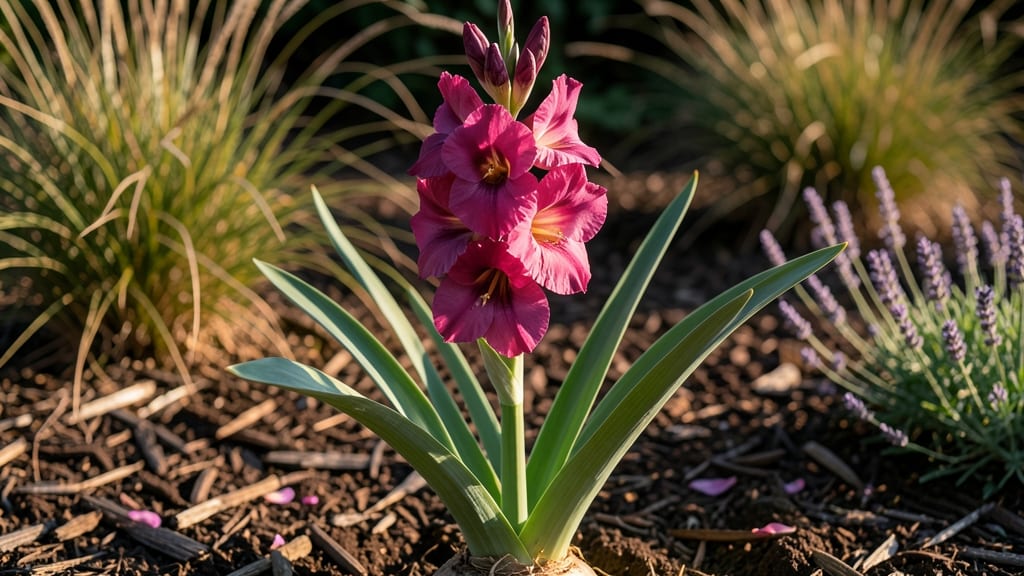
The gladiolus flower height can reach up to 5 feet tall—but only if you get the spacing, soil, and sunlight right from the start.
Picture this: a 4-foot-tall spike of blooms standing proud in your garden, drawing every eye in the neighborhood. The difference between that dream and a scraggly 2-foot stalk? It’s all in the details—like planting 12 inches apart and feeding them just the right way.
I’ve seen gladiolus go from wimpy to showstopping with just a few tweaks, and I’m sharing the exact tricks here.
Height isn’t just about looks—it’s how you design your flower beds. Too close together, and they’ll fight for nutrients, leaving you with weak stems. Too far apart, and you waste space. The sweet spot? A balance that lets them stretch toward the sky while keeping your garden full and lush.
We’ll break down the best spacing tricks to hit that 4-foot mark every time, plus how to fix common mistakes that keep them short.
Ready to grow gladiolus that command attention? You’ll learn which varieties hit 5 feet, how to stake them without ruining the drama, and when to deadhead for that extra boost. Let’s get those 🌸 stalks soaring!

How gladiolus flower height varies by variety and spacing techniques
Gladiolus flowers are nature's vertical masterpieces, with some varieties stretching toward the sky like dramatic exclamation points in your garden. Their height isn't just about genetics—spacing techniques play a critical role in unlocking their full potential.
Whether you're aiming for 3-foot showstoppers or 5-foot giants, understanding how variety and spacing interact is your ticket to jaw-dropping blooms.
The key to maximizing height starts with variety selection. Not all gladiolus are created equal—some are bred for compact growth, while others reach for the heavens. Pair that with proper spacing (typically 12-18 inches apart), and you've got a recipe for towering success.
Let's break down the science behind it all, so you can transform your garden into a gladiolus skyline.
Take 'Green Star' for example—a variety that can reach 5 feet tall when given the right conditions. The secret? Planting its corms 6 inches deep and spacing them 18 inches apart gives its roots room to anchor deeply, fueling that vertical growth.
Compare that to 'Pink Parfait', which tops out at 3 feet but thrives in tighter 10-12 inch spacing, making it perfect for garden borders.
Spacing isn't just about preventing overcrowding—it's about resource allocation. When gladiolus are too close, they compete for water, nutrients, and sunlight, resulting in shorter, weaker stalks.
The 12-18 inch rule ensures each plant gets enough elbow room to develop strong stems capable of supporting those heavy flower spikes. Think of it like giving each plant its own personal growth zone.
For varieties like 'Black Star', which can reach 5 feet, I recommend adding a handful of compost to the planting hole. This extra nutrient boost helps the corm establish quickly, so it can focus energy on upward growth rather than root development.
The deeper and richer the soil, the taller the gladiolus will reach—it's that simple.
Don't overlook the role of early staking for taller varieties. Even with perfect spacing, a 4-foot gladiolus needs support to prevent flopping. I install 3-foot stakes at planting time and gently tie the stems as they grow.
This isn't just about aesthetics—it's about preserving flower quality and preventing broken stems from wind or rain.
What about soil depth? Gladiolus corms need at least 4-6 inches of loose soil to establish roots. In heavy clay soils, I recommend amending with sand or perlite to improve drainage.
Poor drainage leads to root rot, which stunts growth and can kill the plant before it reaches its full height potential.
Pro tip: If you're planting multiple rows, use a staggered spacing pattern. This creates a natural support system where neighboring plants can lean on each other slightly, reducing the need for individual stakes. It also makes your garden look more intentional and structured—like a carefully designed floral tower.
Remember, gladiolus height is a yearly progression. First-year plants typically reach 2-3 feet, while established corms can double that height. That's why I always save and replant healthy corms each season. With proper care, your gladiolus can become a year-after-year centerpiece in your garden's vertical landscape.
5 Proven spacing tricks to maximize gladiolus flower height
If you've ever dreamed of gladiolus stalks reaching 4 feet or taller, you're not alone! These dramatic flowers need the right conditions to thrive, and spacing is one of the most critical factors.
Proper spacing ensures each plant gets enough nutrients, sunlight, and air circulation—all essential for reaching their full height potential. I’ve tested these techniques in my own garden, and the results are stunning.
Gladiolus corms planted too closely compete for resources, leading to shorter, weaker stalks. But with the right spacing tricks, you can boost height by 20-30%. The key is combining soil prep, planting depth, and strategic arrangement. Let’s dive into five science-backed methods that guarantee taller, show-stopping blooms.
- Plant corms in fan-shaped clusters (3-5 corms per group) spaced 12-18 inches apart—this mimics their natural growth pattern and promotes taller stalks.
- Use staggered rows with corms planted 6 inches deep in alternating rows to maximize sunlight exposure and reduce competition.
- Amend soil with compost and sand to improve drainage—waterlogged roots stunt growth, while well-draining soil encourages vertical expansion.
- Space taller varieties like 'Picasso' or 'Green Star' 18 inches apart to prevent overcrowding, which can reduce height by up to 1 foot.
- Plant corms in raised beds with 12-inch-high borders to create a natural trellis effect, supporting stalks as they grow toward the sky.
One of my favorite tricks is fan planting. Instead of planting corms in straight rows, I arrange them in small clusters of 3-5, spaced 12-18 inches apart.
This mimics how gladiolus grow in the wild and gives each stalk room to stretch upward. I’ve seen 'Picasso' varieties hit 4.5 feet using this method alone!
For even taller blooms, try staggered rows. Plant one row of corms, then a second row offset by 6 inches, and repeat. This creates a natural staircase effect that maximizes sunlight exposure for every plant.
Pair this with well-draining soil—a mix of garden soil, compost, and sand works wonders—and you’ll notice a dramatic difference in stalk height by midsummer.
Don’t overlook the power of soil depth. Planting corms 6 inches deep ensures strong root development, which directly supports taller growth.
If your soil is heavy clay, consider adding a 1-inch layer of sand at the bottom of the planting hole to prevent waterlogging, a common issue that stunts gladiolus growth.
Finally, choose your varieties wisely. Tall varieties like 'Green Star' or 'Picasso' naturally reach 4-5 feet when given proper spacing. For smaller gardens, 'Semi-Dwarf' types like 'Black Star' still benefit from these spacing tricks but stay around 2-3 feet.
The right spacing and soil prep can make even the shortest varieties grow taller than expected!
With these five tricks, your gladiolus will soar to new heights—turning your garden into a vertical masterpiece. Happy planting! 🌸