
Blooming
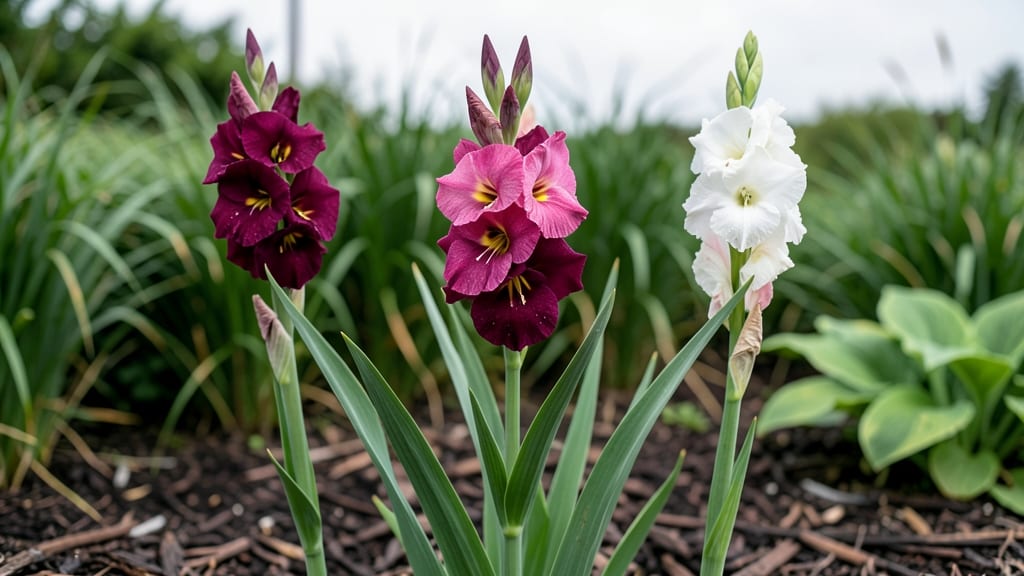
The gladiolus flowering season is all about timing—plant these dramatic 🌺 blooms right, and you’ll enjoy towering stems from midsummer through fall.
Dreaming of dramatic, spiky blooms that reach sky-high? Gladiolus plants deliver jaw-dropping vertical impact—but only if you plant them at the perfect time. Miss the window, and you’ll wait another year for those towering stems.
In most temperate zones, like 6a, gladiolus flowers bloom between July and September, but the exact timing depends on when you plant them. Too early in cold zones, and frost will shut them down; too late, and the heat arrives before they even sprout.
Here’s how to pinpoint the best planting window for your region, plus pro tips to stretch your blooms from early summer to early fall—without the guesswork.
Gladiolus flowering months by USDA plant hardiness Zones (with exact timing)
Gladiolus flowers thrive on precision timing, and their blooming windows shift dramatically across USDA zones 3-11. In cool northern zones (3-5), expect blooms from mid-July to early September, while southern zones (8-11) enjoy flowers from June through October.
The key? Planting corms at the right depth and temperature to trigger blooms before frost strikes.
Your zone dictates heat tolerance limits—gladiolus corms struggle when soil temps exceed 85°F (29°C). In Zone 10+, summer heat can stunt blooms, while Zone 4-6 gardeners must time planting to avoid early frost damage.
Let’s break down the exact bloom windows by region, so you can plan your cutting garden or border displays like a pro.
Notice how Zone 11 gardeners can enjoy year-round blooms with succession planting, while Zone 4 growers must rush to plant before June 15 to avoid frost damage. The 100-day rule applies: count back from your first frost date to determine your planting window.
For example, in Zone 6, a 90-day variety planted on May 1 will bloom by July 30.
For extended seasons, choose early vs. late varieties. Early bloomers like 'Early Star' (70 days) suit northern zones, while 'Green Star' (90+ days) thrives in southern heat.
Pro tip: In Zones 5-8, plant a second batch in July for fall blooms before frost. Just ensure soil temps stay above 60°F (15°C)—cold soil stalls growth.
Frost is the #1 season-ender for gladiolus. A light frost (28°F/-2°C) can blacken blooms, while hard frost (24°F/-4°C) kills corms. In Zones 3-5, cover plants with row fabric when night temps drop below 32°F (0°C).
In Zones 6-8, focus on heat tolerance—overwatering in summer heat causes root rot, which delays blooms.
Did you know? Day-length sensitivity affects timing. Gladiolus need 12+ hours of daylight to trigger blooming. In northern latitudes, this means longer bloom windows in summer, while southern zones may see staggered blooms due to consistent daylight.
For indoor forcing, use grow lights to extend daylight to 14 hours and speed up blooming by
How to stretch your gladiolus season: planting dates for year-round blooms
Want to enjoy gladiolus blooms from summer through fall without gaps? The trick lies in strategic planting—not just one spring session. By planting in spring and summer, you can create a continuous display of those dramatic spikes.
Even in cooler climates, a few adjustments will keep your garden bursting with color when others fade.
Most gardeners plant gladiolus corms in spring only, missing the opportunity for a second flush of blooms. But with succession planting, you can extend your season by up to 3 months.
The key is timing: plant early varieties in spring for summer blooms, then follow with late varieties in summer for fall color. In USDA Zones 3-5, this means starting as early as April and ending as late as July.
5 Pro Tips to Stretch Your Gladiolus Season
- 🌱 Plant in batches: Space out plantings every 2-3 weeks from spring to early summer for staggered blooms.
- ☀️ Choose heat-tolerant varieties: Select late-season types like 'Green Gauntlet' or 'Dalmatian' for summer/fall planting.
- 🔄 Succession plant: After harvesting summer blooms, replant with new corms in late summer for fall color.
- 🌡️ Adjust for climate: In Zones 6-11, plant summer batches by June 15 to avoid heat stress.
- ✂️ Deadhead and fertilize: Remove spent blooms and feed with 10-10-10 fertilizer to encourage reblooming.
For cooler climates (Zones 3-5), force blooms indoors by planting corms in containers 8-10 weeks before your last frost date. Place them in a bright, cool room (50-55°F) until shoots appear, then move to full sun. This trick lets you enjoy gladiolus blooms weeks ahead of outdoor plantings.
Don’t forget to save corms after blooming! Dig up spent corms in fall, cure them in a dry place, and store in pearlite or sand over winter. Replant the following spring for a head start. With these techniques, your garden will stay bursting with color from June through October.
Pro tip: Mark your calendar for planting deadlines—most gladiolus varieties need 90-120 days to bloom. Late plantings won’t have time to mature, so plan accordingly. With the right schedule, you’ll enjoy year-round gladiolus blooms without the seasonal gaps.