
Flowers
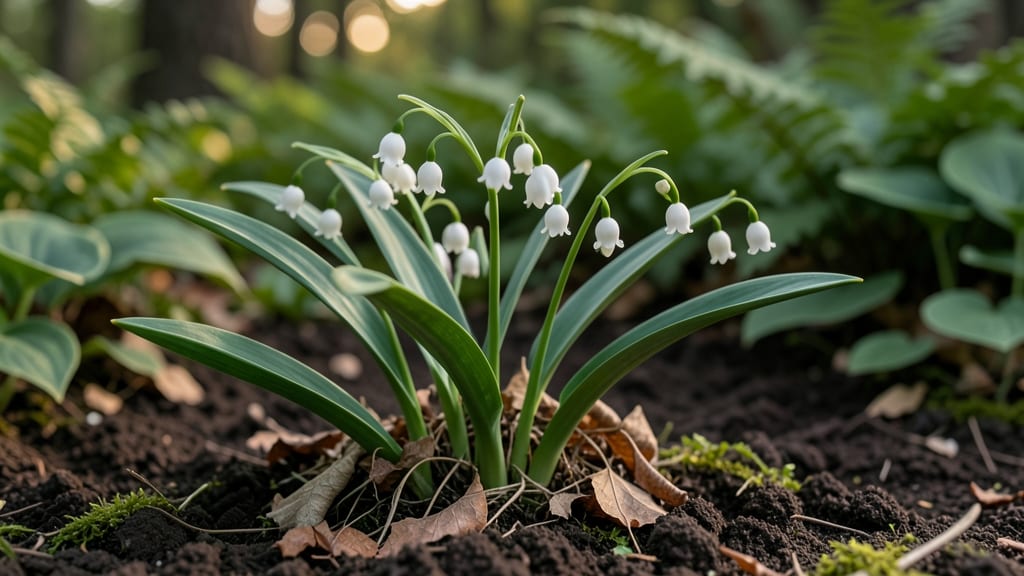
Lily of the Valley flowers bloom in early to mid-spring 🌸, typically between March and May, depending on your USDA zone.
If you’ve ever wondered why your lily of the valley plants seem to bloom at different times each year—or why your neighbor’s flowers appear months earlier—USDA hardiness zones hold the key to predicting their exact bloom schedule.
In cooler zones like 6a, where I garden, the blooms usually arrive in late April or early May, while warmer regions may see them as early as February.
The secret lies in temperature cues: these delicate plants wait for consistent 50°F soil temps before pushing up their signature bell-shaped flowers.
Below, I’ll break down the exact months by zone, share how sunlight and soil prep can nudge your plants to bloom earlier, and reveal the one care mistake that might be delaying your flowers every year.
Lily of the valley bloom times by USDA Zone: month-by-month guide
Predicting when your lily of the valley will bloom depends almost entirely on your USDA hardiness zone. These delicate spring ephemerals typically flower between late April and early June, but exact timing shifts dramatically depending on whether you're in Zone 3 or Zone 9.
Understanding these variations helps you plan for their fleeting beauty and provides clues about your garden's microclimate.
Lily of the valley thrives in cooler climates, which explains why northern zones see blooms earlier than southern ones. In Zone 3, for example, flowers may appear as early as mid-April, while Zone 9 gardeners might not see them until late May or June.
Even within the same zone, regional differences—like the Pacific Northwest's cooler springs versus the Midwest's warmer trends—can push bloom times by 2-3 weeks.
🌸
In USDA Zones 3-4, where winters are harsh, lily of the valley often blooms earliest because the plants require a cold period to trigger flowering.
This is why you might see mid-April blooms in Minnesota or Maine, while Zone 5 regions like Chicago typically see flowers 2 weeks later. The key difference? Soil temperature—these plants need 50°F soil to break dormancy.
For Zones 5-6, which include much of the Northeast and Midwest, expect blooms between late April and mid-May. However, Pacific Northwest gardeners in these zones often see flowers 1-2 weeks earlier due to cooler, wetter springs.
If you're in Seattle or Portland, mark your calendar for late April—that's when your plants will likely burst into bloom.
Gardeners in Zones 7-8 experience the most variation. The Southeast (e.g., Atlanta or Raleigh) typically blooms 1 week earlier than the Midwest (e.g., St. Louis or Indianapolis) because of warmer soil temperatures.
In these zones, early May is your target window, but heatwaves can push blooms into June if the spring is unusually warm.
If you live in Zone 9, consider yourself lucky—your lily of the valley will bloom later, often between late May and mid-June. However, heat stress is a real concern here.
These plants prefer cooler temperatures, and Southern California or Arizona gardeners may need to provide afternoon shade to protect blooms from wilting. In these regions, mulching is especially important to keep roots cool.
One common misconception is that lily of the valley blooms only once per year. While they do produce spring flowers, their timing is highly dependent on winter chill hours.
In warmer zones, some gardeners report secondary blooms in fall, though this is rare and often less vigorous. To encourage consistent blooming, focus on well-draining soil and partial shade—these conditions mimic their natural woodland habitat.
To make the most of your lily of the valley's fleeting beauty, note the first signs of blooms—typically leaf unfurling in early spring. This gives you a 4-6 week heads-up before flowers appear.
In Zone 5, for example, if leaves emerge in March, expect blooms by mid-April. Paying attention to these cues helps you plan companion plants that will thrive during the same season.
Finally, remember that lily of the valley is notoriously slow to establish. Plants may take 2-3 years to reach full bloom after planting. If you're impatient, consider dividing established cl
How to extend lily of the valley blooming season with simple gardening hacks
If you love the delicate scent and nodding white bells of lily of the valley, you’ll want to extend their blooming season as long as possible.
While these shade-loving perennials typically bloom in late spring to early summer, with the right care, you can coax earlier flowers or prolong their display by weeks. The secret lies in preparing their environment before winter and maintaining optimal conditions throughout the growing season.
Lily of the valley thrives in humus-rich, well-draining soil with consistent moisture but hates soggy roots. By adjusting just a few factors—like sunlight exposure, mulching depth, and post-bloom care—you can transform your plants from one-time spring bloomers into reliable performers that reward you with flowers for months.
Let’s explore the simplest yet most effective hacks to extend their blooming window naturally.
One of the easiest ways to extend blooming is by adjusting sunlight exposure strategically. Lily of the valley naturally blooms when days lengthen in spring, but you can trick them into starting earlier by moving them to a morning sun spot (3-4 hours of direct light) in late summer.
This gradual increase in light signals the plant to initiate flower buds sooner, often resulting in blooms 2-3 weeks earlier than usual.
After flowers fade, resist the urge to cut back foliage entirely—leave it until it yellows naturally (usually by late summer). The leaves photosynthesize and store energy in the rhizomes, fueling next year’s blooms. If you must tidy up, trim only 1/3 of the foliage to maintain this energy cycle.
For even longer blooms, consider planting multiple varieties like ‘Rosea’ or ‘Alba’—their staggered bloom times create a continuous display from May through July.
Finally, don’t overlook the power of consistent moisture. Lily of the valley despises drought stress, which can cause buds to drop. Water deeply once a week during dry spells, aiming for 1 inch of water per week.
A 2-3 inch layer of organic mulch (like pine needles or bark) helps retain moisture and regulates soil temperature, creating ideal conditions for prolonged blooming.
With these simple adjustments, your lily of the valley can transform from a brief spring spectacle into a longer-lasting garden star. The key is consistency—prepare the soil in fall, nurture the plants in spring, and protect them through summer.
Your efforts will be rewarded with fragrant, bell-shaped blooms that last weeks longer than average.