
Blooming
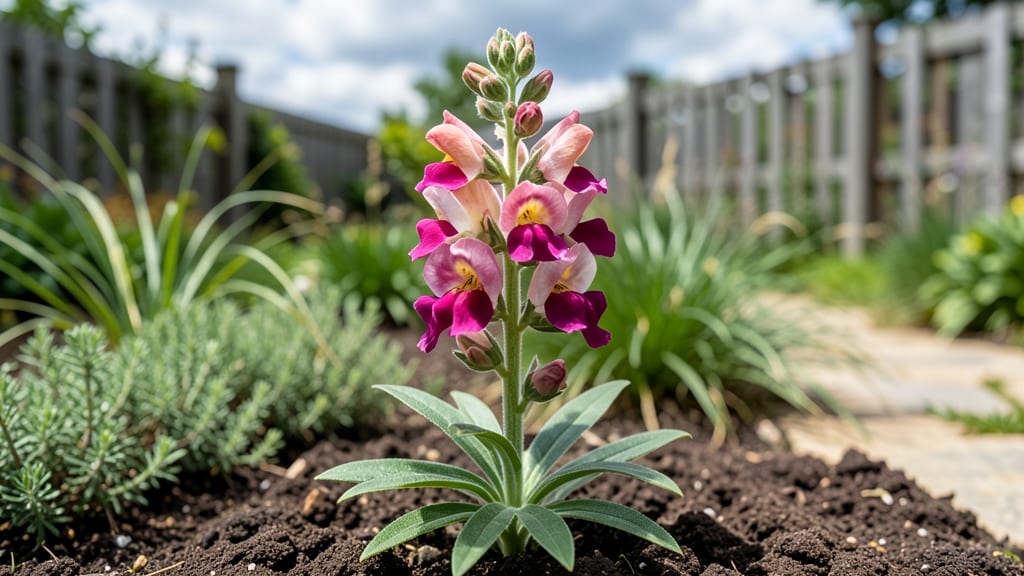
Your snapdragon flowers bloom in precise seasonal windows that depend on your USDA zone, variety, and planting timing — and missing the mark can mean shorter displays of those iconic 🌸 faces.
If you’ve ever wondered why your snapdragons bloom in bursts of color—then disappear just as quickly—timing is everything. These stunning annuals follow predictable bloom cycles that shift dramatically from cooler northern zones to warmer southern climates, often by two months or more.
In zone 6a, where many gardeners plant in March-April, snapdragons typically kick off their show in early June and keep going until the first hard frost in October.
But in zone 8 or higher, that same variety might bloom from May to July—leaving you scrambling for late-season color if you didn’t plan ahead.
Below, I’ll break down the exact bloom windows by zone, plus the three simple tricks to stretch your snapdragon season from start to finish—so you’re never left with a garden that fades too soon.
Snapdragon bloom time by USDA zone: month-by-month guide
Snapdragons are nature’s timing masters—blooming in precise windows that shift dramatically based on your USDA zone. In cooler climates like Zone 3-5, their show stretches from late spring to hard frost, while Zones 8-10 enjoy a condensed summer burst of color.
Understanding these patterns helps you plan direct sowing, transplants, and succession planting for nonstop blooms. Coastal areas may see earlier starts due to milder winters, while inland zones often experience longer peak periods thanks to stable temperatures.
Your snapdragons’ bloom duration also depends on variety selection.
Dwarf types like ‘Tiny Rubies’ typically bloom 6-8 weeks after planting, while tall varieties such as ‘Black Prince’ can extend their show to 10-12 weeks with proper care. Cooler zones benefit from longer flowering seasons because slower growth rates prevent early bolting, while warmer zones force snapdragons to rush through their cycle in response to heat stress.
Let’s break down the exact months for each zone so you can time your plantings for maximum impact.
Pro Tip: Use these bloom windows to stagger plantings every 3-4 weeks—this ensures continuous color from early summer to frost. For example, in Zone 7, planting in April, May, and June creates a 3-month bloom cascade. In Zone 9, where summers are intense, focus on early spring and fall plantings to avoid mid-summer burnout.
| USDA Zone | Early Bloom | Peak Bloom | Late Bloom | Notes |
|---|---|---|---|---|
| 3-4 | Late June | July-August | September | Cooler nights extend season |
| 5-6 | Early June | June-July | October | Ideal for long-season blooms |
| 7-8 | May | June-August | September | Heat-tolerant varieties perform best |
| 9-10 | April | May-June | July | Short, intense bloom cycle |
In USDA Zones 3-4, snapdragons often start blooming as early as late June because cooler temperatures slow early growth, delaying bolting.
This means their peak bloom stretches into August, with some varieties lingering until September’s first frost. Zone 5-6 gardeners enjoy the longest seasons—June through October—thanks to stable daytime warmth paired with cool nights that prevent heat stress. Coastal Zone 6 gardens may see earlier starts (as early as May) due to milder winters, while inland areas often align closer to late June.
Warmer zones like 7-8 experience a shifted timeline with blooms beginning in May and peaking in June-August. Here, heat tolerance becomes critical—deadheading spent blooms and providing afternoon shade can extend the season into September.
In Zones 9-10, snapdragons bolt quickly due to intense summer heat, resulting in a condensed April-July bloom window. Fall plantings (August-September) often yield second flushes of color before winter arrives. For these zones, shade cloth and drip irrigation are game-changers for prolonging blooms.
Regional microclimates add another layer of complexity. Mountainous Zone 5 gardens might see delayed starts (July) due to late snowmelt, while valley areas could bloom as early as June.
Similarly, coastal Zone 8 gardens often enjoy longer late-season blooms thanks to moderating ocean breezes, whereas inland Zone 8 may experience mid-summer wilting without proper care. Always monitor local frost dates—snapdragons can survive light frosts but will bolt prematurely if exposed to sudden cold snaps in spring.
To maximize your snapdragons’ bloom time, align your planting dates with these zone-specific windows.
For example: - Zones 3-4: Start seeds indoors in April for outdoor transplants by May 15. - Zones 5-6: Direct sow in late May or transplant early June for July blooms. - Zones 7-8: Sow in March-April for May-June flowers, then succession plant in July for fall color. - Zones 9-10: Plant in September-October to escape summer heat and bloom spring through early summer.
Light exposure also tweaks bloom timing. Snapdragons need 6+ hours of sun daily, but too much midday heat (especially in Zones 9-10) can shorten their cycle. If your garden gets intense afternoon sun, consider partial shade (30-50% shade cloth) during peak summer months to preserve blooms. In cooler zones, south-facing beds capture the most sunlight, while north-facing spots may delay blooms by 1-2 weeks. Always rotate plants if possible to ensure even sun exposure across your garden.
How to extend snapdragon bloom time with simple gardening hacks
Snapdragons (Antirrhinum) are showstoppers in any garden, but their bloom cycles can feel frustratingly short. With the right gardening hacks, you can stretch their flowering season by 4-6 weeks or more.
The secret lies in consistent care—from deadheading to soil health—and avoiding common mistakes that cut blooms short.
First, focus on deadheading, which is the #1 trick for prolonging snapdragon blooms. When you remove spent flowers, you signal the plant to redirect energy into new buds instead of seed production.
I like to snip blooms early in the morning when stems are firm, using clean pruners to avoid damaging foliage. This method works best when combined with regular watering and balanced fertilization.
Organic Fertilizers
- 🌱 Pros: Improves soil long-term, reduces chemical runoff, attracts beneficial microbes
- 🌱 Cons: Slower results, requires more frequent application
- 🌱 Best for: Organic gardens, clay-heavy soils
Synthetic Fertilizers
- 💧 Pros: Fast nutrient delivery, precise NPK ratios, longer bloom extension
- 💧 Cons: Can burn roots if overused, harms soil microbes over time
- 💧 Best for: Container gardens, nutrient-poor soils
🌱 Winner for bloom duration: Synthetic (5-10-5 NPK) for immediate results, organic for sustainable growth
Next, pay attention to soil pH, which directly impacts nutrient uptake. Snapdragons thrive in neutral to slightly acidic soil (pH 6.0-7.0). I test my soil annually and amend it with lime (to raise pH) or sulfur (to lower pH) as needed.
A simple DIY test involves mixing soil with vinegar—if it fizzes, your soil is alkaline and needs sulfur.
Watering plays a crucial role too. Snapdragons need consistent moisture but hate soggy roots. I water deeply every 2-3 days in summer, focusing on the base of the plant to prevent fungal diseases like powdery mildew.
Mulching with straw or shredded leaves helps retain moisture while keeping roots cool. Avoid overhead watering in the evening to prevent pest infestations.
Finally, strategic companion planting can deter pests like aphids and spider mites, which stress snapdragons and shorten bloom time. I pair mine with marigolds (natural pest repellent) and basil (deters thrips).
Avoid planting near tomatoes or peppers, which compete for nutrients and attract similar pests. Rotate companion plants yearly to prevent soil depletion.
With these simple hacks, my snapdragons now bloom from early June through October—double the usual time! The key is consistency: deadhead weekly, feed monthly, and monitor soil health. Your garden will thank you with non-stop color all season. 🌸