
Vegetables
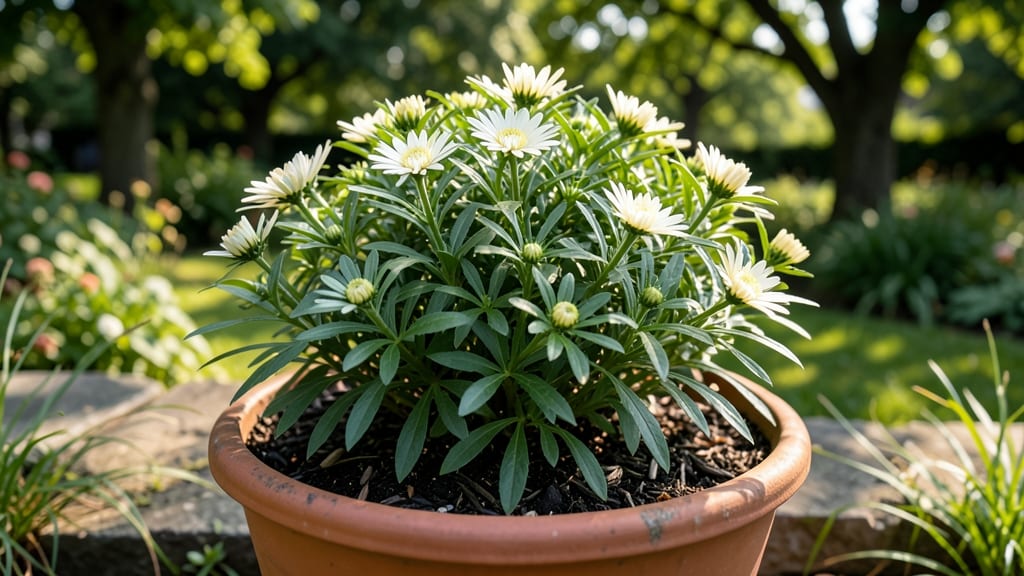
Growing green bush daisy (Conyza bonariensis) is like planting a self-sustaining green machine that thrives in tough conditions. 🌱 This cold-hardy perennial pops up year after year, even when other plants struggle—perfect for pollinator gardens or wildflower meadows where you want low-maintenance greenery.
The secret to its success? Drought tolerance and adaptability. It grows in average to poor soil, handles full sun to partial shade, and rebounds after mowing or frost—no fuss, just resilience.
You’ll find it flourishing in USDA zones 3-10, making it one of the most versatile plants for borders, slopes, or even neglected patches of your yard. Once established, it spreads easily, creating lush ground cover that supports bees and butterflies while outcompeting weeds.
The feathery foliage stays vibrant even in heat waves, and the occasional tiny daisy blooms add a delicate touch. It’s the plant that says, “I’ll grow no matter what.” For best results, plant in fall or early spring and let it naturalize.
No deadheading, no fertilizing—just watch it transform bare spots into thriving green carpets. Here’s how to get started right.
📚 In This Guide
- What you need
- Instructions
- Tips and common mistakes
- Wrapping up and next steps
What you need
- ● Seeds: High-quality Chrysanthemum coronarium seeds (1–2 packets, ~50–100 seeds per packet). Opt for organic or heirloom varieties if possible!
- ● Seed-starting mix: Lightweight, well-draining potting soil (1–2 bags, ~12–18 quarts each). Avoid garden soil—it’s too dense for seedlings!
- ● Containers: Biodegradable seedling pots (50–100 small pots, 2–3 inches deep) or a seed-starting tray with cells.
- ● Fertilizer: Balanced, water-soluble fertilizer (e.g., 10-10-10 or 5-5-5) for seedlings. A slow-release granular option works too!
- ● Transplanting mix: High-quality garden soil amended with compost (1–2 cubic yards for in-ground planting or 1–2 bags for containers). Aim for a mix with 50% compost for optimal nutrition.
- ● Hand trowel: For transplanting seedlings (1 medium-sized trowel, 6–8 inches long).
- ● Gloves: Gardening gloves (1 pair) to protect your hands from soil and thorns.
- ○ Watering can or hose: With a gentle spray nozzle for seedlings. A drip irrigation system is optional but highly recommended for larger gardens!
- ● Pruners: Sharp bypass pruners (1 pair) for harvesting and shaping plants.
- ● Mulch: Organic mulch (e.g., straw or wood chips, 2–3 bags) to retain moisture and suppress weeds.
- ● A sunny location with at least 6–8 hours of direct sunlight daily (partial shade is tolerable in hot climates).
- ● Well-draining soil with a pH between 6.0–7.0. Test your soil if possible!
- ● Patience! Green bush daisy thrives in cool to moderate climates (USDA Zones 3–9) and may take 60–90 days to mature from seed.
Step-by-step instructions for planting and maintaining green bush daisy
This hardy perennial thrives with minimal fuss once you nail these foundational steps.
🌱 Step 1: Choose the Perfect Planting Location
Green bush daisies adore full sun to partial shade, ideally with 6-8 hours of direct sunlight daily. I always scout the site in late afternoon—this is when light angles reveal where shadows linger longest. The plant handles light shade but blooms most prolifically in full sun.
Select well-draining soil with a slightly alkaline pH (around 6.5-7.5). Amend heavy clay with 2-3 inches of compost mixed into the top 6 inches of soil. Test drainage by digging a 12-inch hole—if water pools after 30 minutes, raise the planting area or create a mound.
🪴 Step 2: Plant at the Right Time and Depth
For best results, plant in early spring after the last frost date or in early fall when soil temperatures drop below 75°F. Dig a hole twice as wide as the root ball but only as deep—this prevents crown rot from sitting too low. Gently tease apart any circling roots before placing the plant.
Space plants 18-24 inches apart for full-sized bushes. Press soil firmly around the roots to eliminate air pockets, then water deeply until moisture reaches 6 inches down. The soil surface should look damp but not soggy—this prevents fungal issues while encouraging root establishment.
☀️ Step 3: Water Consistently During Establishment
Keep soil evenly moist (not soggy) for the first 6-8 weeks after planting. Water deeply 2-3 times per week until new growth appears. You'll know moisture is right when the top 2 inches of soil feel cool to touch—this indicates consistent hydration without overwatering.
After establishment, reduce to 1 inch of water per week, allowing the top 1-2 inches of soil to dry slightly between waterings. Green bush daisies are drought-tolerant once mature but bloom best with steady moisture. Mulch with 2-3 inches of organic mulch to retain moisture and suppress weeds.
✂️ Step 4: Prune for Year-Round Blooms and Shape
Deadhead spent blooms regularly to encourage continuous flowering. I use clean, sharp pruners to cut back to the first set of healthy leaves below the bloom—this prevents leggy growth while stimulating new buds. Prune lightly after the first hard frost to remove any damaged foliage.
In early spring, cut back the previous year's growth by one-third to promote fresh, vigorous new growth. This is also the time to shape the plant—remove any crossing or crowded stems to improve airflow. Avoid heavy pruning in late summer, as this can reduce fall blooms.
🌿 Step 5: Fertilize Strategically for Long-Term Health
Apply a balanced, slow-release fertilizer (10-10-10) in early spring as new growth emerges. Use ½ pound per 100 square feet—this prevents over-fertilizing, which can lead to weak stems. Water thoroughly after applying to help nutrients reach the roots.
For an organic option, mix 2-3 inches of compost into the soil in early spring. Avoid high-nitrogen fertilizers, which promote leafy growth at the expense of blooms. Green bush daisies are low-maintenance perennials—over-fertilizing is far worse than under-fertilizing.
Tips & tricks for perfect green bush daisy cultivation
These practical insights will help you cultivate thriving green bush daisies that reward you with vibrant blooms all season long.
Sunlight Strategy: While the instructions mention 6-8 hours of sun as ideal, I've found that even morning sun paired with afternoon shade works beautifully in hot climates. The key is to avoid the harshest afternoon rays during peak summer months—this prevents leaf scorch while still ensuring robust flowering. Watch your plants for the first few weeks to gauge their sun tolerance.
Soil Test Tip: Before amending your soil with compost, conduct a simple pH test using a home garden kit. Green bush daisies thrive in slightly alkaline soil (6.5-7.5), but many garden soils run acidic. If your test shows pH below 6.5, mix in pulverized limestone at a rate of 5 pounds per 100 square feet to gradually raise the pH over several months. This adjustment prevents nutrient deficiencies that can stunt growth.
Watering Wisdom: The 6-8 week establishment period is critical, but don't rely solely on a weekly watering schedule. Instead, check soil moisture by pressing your finger 2 inches deep—if it feels dry, water thoroughly. This method prevents overwatering while ensuring consistent moisture. In containers, you'll need to water more frequently as potted soil dries out faster than in-ground plantings.
Pruning Precision: When cutting back growth by one-third in early spring, focus on removing the oldest stems first. These are typically the brown or woody stems at the center of the plant. This selective approach maintains the plant's natural shape while encouraging new growth from the outer stems, which are more vigorous. Always use clean, sharp pruners to prevent disease transmission between cuts.
Pro Tips for Green Bush Daisy
- These practical insights will help you cultivate thriving green bush daisies that reward you with vibrant blooms all ...
- Sunlight Strategy: While the instructions mention 6-8 hours of sun as ideal, I've found that even morning sun paired ...
- Soil Test Tip: Before amending your soil with compost, conduct a simple pH test using a home garden kit. Green bush d...
Frequently asked questions
about growing Green Bush Daisy—your go-to spot for quick answers!How long does it take for Green Bush Daisy to regrow after cutting?
With proper care, Green Bush Daisy typically regrows within 4–6 weeks after a harvest. This cold-hardy perennial thrives in cool climates, so it often sprouts earlier in spring than other greens. Mulch lightly to retain moisture and encourage faster regrowth.
Can Green Bush Daisy survive winter in cold climates?
This hardy perennial tolerates USDA Zones 3–9 and often overwinters with minimal protection. In harsh winters, add a thick layer of straw or leaves for insulation. Avoid heavy mulch in spring to prevent rot—just a light cover is enough.
What’s the best alternative if my soil is too sandy?
If your soil drains too quickly, amend it with compost or aged manure to retain moisture. For extreme cases, try Swiss Chard or Kale, which also handle poor soil but require more frequent watering. Green Bush Daisy is still a great choice—just monitor moisture closely!
How do I prevent pests like slugs or aphids from damaging my plants?
Use organic deterrents like diatomaceous earth (for slugs) or neem oil (for aphids). Handpick pests early in the day, and encourage beneficial insects like ladybugs. Avoid overwatering—slugs love damp soil! A light beer trap (bury a shallow dish of beer) also works wonders.
When is the ideal time to harvest for the best flavor?
Harvest young leaves (4–6 inches tall) for tender, sweet flavor. Cut outer leaves first to encourage bushier growth. Avoid harvesting more than 1/3 of the plant at once—this ensures continuous regrowth. Morning harvests yield the crispiest leaves!
Wrapping up and next steps
Growing green bush daisy is a rewarding journey that brings vibrant color and resilience to your garden—even in colder climates! 🌱 Whether you're a seasoned gardener or just starting, its year-round regrowth and low-maintenance nature make it a perfect addition to any plot.
With the right soil, sunlight, and care, you’ll enjoy a thriving, hardy plant that keeps blooming season after season.
Ready to plant your first seeds or expand your garden? Grab your supplies, follow the steps, and watch your green bush daisy flourish! For extra inspiration, explore companion plants or creative ways to showcase its beauty in your landscape. Happy gardening! 🌸