
Vegetables
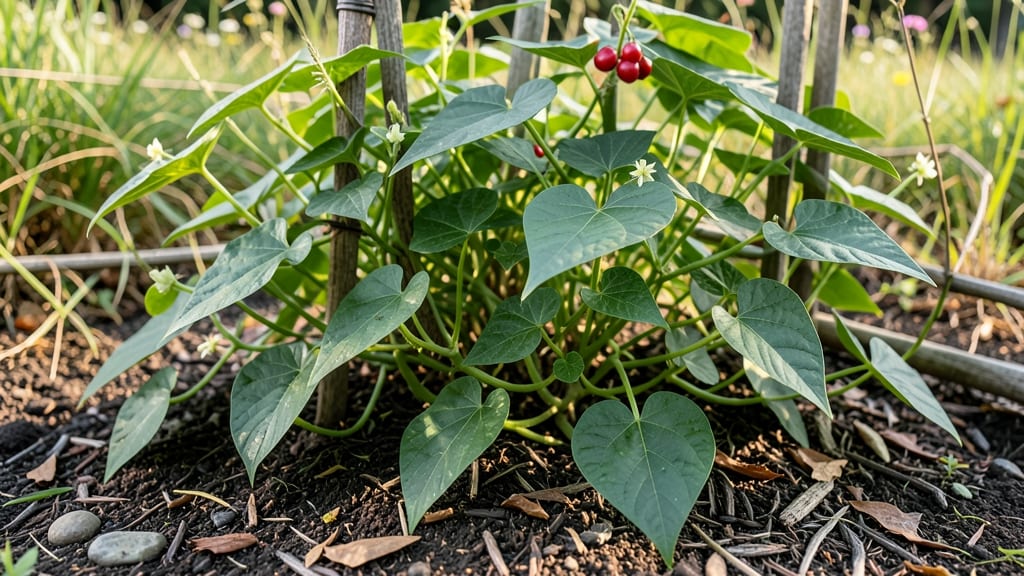
Growing green stem Malabar spinach feels like cultivating a tropical vine that never stops giving. 🌿 This fast-growing, edible plant thrives in heat and humidity, producing bold, pine-like leaves that regrow after every harvest—something store-bought greens can't match. The secret to success lies in its love for warmth and moisture.
Plant in well-draining soil with partial shade, and you'll see vigorous growth within weeks. Unlike traditional spinach, this variety handles heat and drought better, making it perfect for summer gardens or containers on patios.
Once established, you'll enjoy a continuous harvest of tender, slightly sweet leaves perfect for stir-fries, salads, or steamed dishes. The plant climbs naturally, so provide a trellis or let it sprawl—either way, it rewards you with lush, vibrant foliage all season long.
Common challenges include powdery mildew in humid climates, but proper spacing and airflow keep plants healthy. With the right care, you'll have a productive vine that keeps giving long after other greens have bolted.
📚 In This Guide
- What you need
- Instructions
- Tips and common mistakes
- Wrapping up and next steps
What you need
- ● Seeds or cuttings: 10–20 Basella alba (green stem) seeds or 3–5 healthy cuttings (6–8 inches long) from a mature plant.
- ● Containers or garden bed: For containers: 5–10-inch deep pots (1–2 per plant) with drainage holes.
- ● For garden beds: Well-draining soil in a sunny or partially shaded spot (6+ hours of light daily).
- ● Potting mix: 2–3 gallons of high-quality, well-draining soil (add perlite or coco coir for aeration if needed).
- ● Watering can or hose: With a gentle spray nozzle for consistent moisture.
- ○ Fertilizer (optional but recommended): Balanced liquid fertilizer (e.g., 10-10-10) or compost tea for organic growth.
- ● Slow-release granular fertilizer (e.g., 5-10-10) mixed into soil at planting.
- ● Pruning shears or scissors: For harvesting and trimming vines.
- ○ Trellis or stakes (optional): 2–3 bamboo stakes or a small trellis (4–6 feet tall) to support climbing vines.
- ○ Mulch (optional): Straw or shredded leaves to retain soil moisture.
- ○ pH test kit (optional): To check soil pH (ideal range: 6.0–7.0).
- ● Warmth: Green stem Malabar spinach thrives in 70–85°F (21–29°C) temperatures. Avoid frost!
- ● Humidity: Prefers 60–70% humidity; mist leaves if air is dry.
- ● Patience: Germination takes 10–20 days; regrowth after harvest is rapid (3–4 weeks).
Step-by-Step guide to growing green stem Malabar spinach
This tropical vine thrives with minimal fuss—here’s how to coax those bold, pine-like leaves into your garden.
🌱 Step 1: Choose the Right Spot and Prepare Soil
Green stem Malabar spinach loves warmth and humidity, so pick a location with partial shade to dappled sunlight—think morning sun and afternoon shade. It tolerates full shade but grows slower and produces fewer leaves. Amend the soil with 2-3 inches of compost to ensure good drainage while retaining moisture, since this plant hates soggy roots.
Work the compost into the top 6 inches of soil—this mimics its native tropical environment. The soil should feel like a damp sponge when squeezed; if it crumbles, add more compost or coconut coir to improve moisture retention. Avoid heavy clay, which suffocates roots and leads to yellowing leaves.
☀️ Step 2: Plant Seeds or Transplants at the Right Time
Start seeds indoors 8-10 weeks before your last frost or sow directly in the garden after all frost risk has passed. The soil must be at least 60°F—any cooler, and germination slows dramatically. Plant seeds ½ inch deep and 6 inches apart in rows 18 inches apart to give vines room to sprawl.
If using transplants, space them 12-18 inches apart—they’ll grow aggressively once established. Water gently after planting to settle the soil around roots, but avoid soaking, which can wash seeds or seedlings away. You’ll see first true leaves in 3-4 weeks if conditions are ideal.
💧 Step 3: Water and Fertilize for Lush Growth
Keep the soil consistently moist but never waterlogged—this plant wilts quickly if drought-stressed. Water deeply 2-3 times per week during dry spells, aiming for 1 inch of water per week. Mulch with 2 inches of straw or shredded leaves to lock in moisture and suppress weeds. The mulch should stay slightly damp to the touch but not soggy.
Fertilize lightly every 4-6 weeks with a balanced, water-soluble fertilizer (10-10-10) diluted to half strength. Over-fertilizing causes rapid, weak growth prone to pests. You’ll know it’s thriving when new leaves unfurl with that signature pine-like shape and vibrant green stems.
✂️ Step 4: Prune and Harvest for Continuous Regrowth
Harvest leaves when they reach 6-8 inches long—you’ll see the bold, serrated edges and glossy texture that makes this variety stand out. Cut stems just above a leaf node to encourage branching. Regular harvesting stimulates bushier growth, so don’t wait until the plant is overgrown.
Pinch back leggy vines to redirect energy into leaf production. If the plant flowers, remove blooms immediately—they sap energy from foliage. With consistent care, you’ll get 3-4 harvests per season, and the plant often self-seeds, returning year after year in warm climates.
🪴 Step 5: Overwinter or Extend the Season
In colder climates, treat Malabar spinach as an annual or grow it in containers to bring indoors before frost. If you’re in a frost-free zone, it may persist year-round with minimal care. In containers, reduce watering slightly in winter but keep soil lightly moist—dormant plants need less water but still benefit from occasional misting to maintain humidity.
To extend the season, cover young plants with frost cloth on chilly nights. The goal is to protect tender new growth while allowing sunlight to reach the leaves. With proper overwintering, you can enjoy fresh harvests well into spring.
Tips & tricks for growing green stem Malabar spinach
Here's what I learned after growing this tropical beauty—these tricks make all the difference between a struggling plant and a thriving vine.
Location is Everything: In Step 1, don't just settle for "partial shade"—aim for that sweet spot of morning sun with afternoon shade protection. I've seen plants in full shade grow slowly, while those with just 2-3 hours of morning sunlight produce leaves twice as fast. If your garden gets intense afternoon sun, consider a sheer curtain or lattice for filtered light.
Soil Prep Secret: When amending soil in Step 1, mix in a handful of worm castings along with the 2-3 inches of compost. The worms' enzymes create a micro-environment that helps roots absorb nutrients more efficiently. I've noticed my plants establish faster and handle drought better when I use this extra boost.
Timing Your Planting: For Step 2, mark your calendar 8-10 weeks before your last frost date—this gives you a head start on warm soil. I've had the best success starting seeds indoors under grow lights during this period, which helps them develop stronger roots before transplanting. The key is getting them in the ground when soil reaches that critical 60°F minimum.
Harvesting Strategy: In Step 4, when harvesting those 6-8 inch leaves, always cut at a 45-degree angle just above a leaf node. This creates a larger surface area for new growth to emerge. I've found that plants harvested this way produce new leaves in about 3 weeks, while straight cuts can delay regrowth by up to 2 weeks.
Pro Tips for Green Stem Malabar Spinach
- Here's what I learned after growing this tropical beauty—these tricks make all the difference between a struggling plant and a thriving vine.
- Location is Everything: In Step 1, don't just settle for "partial shade"—aim for that sweet spot of morning sun with afternoon shade protection.
- Soil Prep Secret: When amending soil in Step 1, mix in a handful of worm castings along with the 2-3 inches of compost.
Frequently asked questions
Got questions about growing or using green stem Malabar spinach? You’re not alone!
Here are answers to the most common queries—from planting to harvesting—so you can confidently grow this tropical superstar in your garden or container.
How long does it take for green stem Malabar spinach to grow?
This fast-growing vine typically reaches harvestable size in 6–8 weeks from seed, depending on warmth and humidity. With ideal conditions (70–85°F and consistent moisture), you can expect tender shoots in as little as 4–6 weeks. The good news? It’s a perennial in frost-free zones, meaning it’ll regrow year after year if given the right care!
Can I grow green stem Malabar spinach in containers?
This vine thrives in containers 12+ inches deep with drainage holes. Use a well-draining potting mix and a trellis or cage to support its sprawling growth. Just ensure it gets 6+ hours of sunlight daily and keep the soil consistently moist. Containers work great for balconies, patios, or even indoors near a sunny window.
How often should I harvest green stem Malabar spinach?
Harvest leaves when they’re 6–12 inches long to encourage regrowth. For continuous harvests, pick outer leaves first and avoid taking more than 1/3 of the plant at once. With proper care, it’ll keep producing for months (or years!)—just trim back leggy vines occasionally to promote bushier growth.
What if my green stem Malabar spinach turns yellow or wilts?
Yellowing leaves often signal overwatering or poor drainage. Let the top inch of soil dry out between waterings, and ensure your pot has drainage. Wilting can also mean underwatering or heat stress—move it to a shadier spot if temps exceed 90°F. Pests like aphids rarely bother this plant, but check undersides of leaves if you spot sticky residue. A quick spray of water usually clears them!
What’s a good substitute if I can’t find green stem Malabar spinach?
If you’re craving its mild, slightly sweet flavor and crunch, try these swaps:
- Regular spinach or Swiss chard (similar texture, though less tender)
- Malabar spinach (white stem variety) (closer in taste but less heat-tolerant)
- Water spinach (kang kong) (similar regrowth habit, popular in Asian cuisine)
- Young okra or green beans (for a crunchy, vine-like bite)
Wrapping up and next steps
Green stem Malabar spinach is a game-changer for gardeners and health-conscious foodies alike—its bold, pine-like leaves and regrowth magic make it a low-maintenance, nutrient-packed superstar. 🌱 Whether you’re growing it in pots or containers, this tropical gem thrives with minimal effort while delivering a crunchy, slightly tangy flavor perfect for stir-fries, soups, or salads.
Ready to level up your garden and your meals? Start small—plant a few cuttings today—and watch this resilient plant reward you with harvest after harvest. Your future self (and taste buds!) will thank you. 🌿✨