
Vegetables
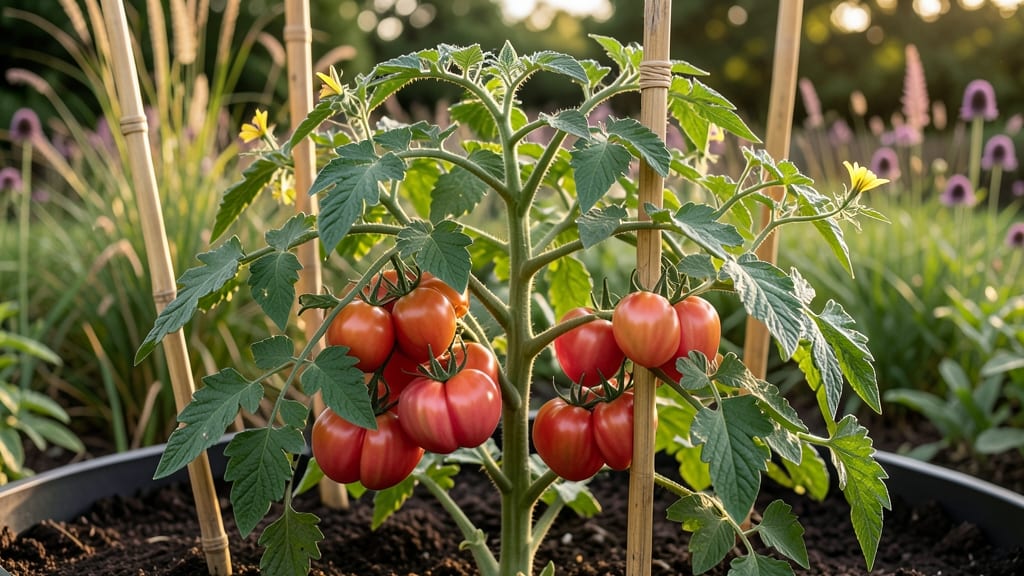
Growing Brandywine tomatoes means sinking your fingers into rich soil and waiting for the moment when those massive, beefsteak-sized fruits appear on the vine. 🌱 I've grown dozens of tomato varieties, but Brandywines hold a special place in my heart—they're the kind of plant that makes neighbors stop and ask, "What are those?"
Here's the thing: these giants need space, patience, and just the right conditions to thrive. We're talking 6-8 feet of vertical growth, a 10-gallon container or in-ground plot, and consistent care that pays off with 10-20 pounds of tomatoes per plant by season's end.
The secret isn't complicated—it's about giving them what they crave: warmth, water, and a little extra love when the weather turns hot.
By midsummer, you'll be harvesting tomatoes so large they barely fit on your cutting board. The flavor? Rich, sweet, and complex—nothing like those store-bought slicers. The vines themselves become a garden showpiece, covered in vibrant yellow blooms that attract pollinators all season long.
With the right support and a few simple tricks, even beginner gardeners can grow Brandywines that put commercial varieties to shame.
Whether you're working with raised beds, containers, or a sunny backyard patch, these tomatoes adapt beautifully. The key is starting strong—soil prep, proper spacing, and a pruning routine that keeps energy flowing upward. Let's get those seeds in the ground and turn your garden into a beefsteak tomato factory!
📚 In This Guide
- What you need
- Instructions
- Tips and common mistakes
- Wrapping up and next steps
What you need
- ● Seeds: 3–5 Brandywine tomato seeds (heirloom, beefsteak variety). Start with a few extra in case of germination issues!
- ● Seed-starting mix: 2–3 cups of high-quality, sterile seed-starting soil (or a small seed tray). Avoid garden soil—it’s too dense for sprouts!
- ○ Growing containers (optional but helpful): 3–5 biodegradable pots (3–4 inches deep) OR
- ● A seedling tray with individual cells (if starting indoors).
- ● Fertilizer: A balanced, water-soluble fertilizer (e.g., 10-10-10 or 5-5-5) for seedlings. OR organic options like fish emulsion or compost tea.
- ● Full-sun location: A spot with at least 6–8 hours of direct sunlight daily. Brandywines are sun-worshippers!
- ● Garden bed or large containers: For in-ground: A well-draining, nutrient-rich bed (amend with compost or aged manure).
- ● For containers: 5-gallon pots or larger (at least 12–18 inches deep) with drainage holes.
- ● Support system: Cages (5–6 ft tall) or sturdy stakes (Brandywines get huge—think 3–4 lbs per tomato!).
- ● Mulch: Straw, grass clippings, or shredded leaves to retain moisture and suppress weeds.
- ● Basic tools: Trowel, pruners (for trimming suckers), and a watering can or hose with a gentle spray nozzle.
- ○ Optional but handy: pH test kit (ideal soil pH: 6.0–6.8 for tomatoes).
- ● Row covers (to protect seedlings from pests or frost).
- ● Organic pest control (e.g., neem oil, insecticidal soap).
Step-by-Step instructions for growing Brandywine tomatoes
Here's the foolproof method I've used to grow heirloom Brandywine tomatoes—the ones that weigh a pound each and taste like summer.
🌱 Step 1: Start Seeds Indoors 6-8 Weeks Before Last Frost
Brandywines need a long growing season, so begin indoors with sterile seed-starting mix in 2-3 inch deep containers. I use biodegradable pots to avoid root disturbance later. Moisten the mix until it holds together when squeezed but doesn’t drip—too wet and seeds rot before sprouting.
Plant 2 seeds per cell at ¼-inch depth—any deeper and they’ll struggle to break through. Cover lightly with mix and mist until evenly damp. Place in a warm spot (75-85°F) under a humidity dome or plastic wrap. You’ll see sprouts in 7-14 days—watch for the first true leaves (not the initial seed leaves) to appear before thinning to the strongest seedling.
☀️ Step 2: Harden Off and Transplant After All Frost Risk Passes
Once seedlings have 3-4 true leaves, start hardening them off. Move them outside for 1-2 hours daily, gradually increasing time over 10-14 days. This toughens stems and prevents shock when they hit the garden. Choose a sunny spot with 6-8 hours of full sun—Brandywines need all the light they can get to develop those massive fruits.
Transplant after the last frost when soil is at least 60°F. Bury stems deeper than the transplant pot—up to the first set of leaves—to encourage strong root growth. Space plants 3-4 feet apart in rows 4-5 feet apart—they’ll sprawl wide and tall. Water deeply at planting to settle soil around roots.
💧 Step 3: Water Deeply and Consistently Through the Season
Brandywines are thirsty giants—water 1-2 inches per week, more in extreme heat. I water deeply at the base early in the morning to prevent fungal issues. Avoid wetting leaves, which can spread disease. You’ll know moisture is right when the top 2 inches of soil feel dry to the touch—not bone-dry, not soggy.
Mulch with 2-3 inches of organic mulch (like straw) to retain moisture and keep roots cool. This is critical—fluctuating soil temps stress plants and reduce fruit set. If you see yellowing lower leaves, it’s often an early sign of water stress or poor drainage.
✂️ Step 4: Prune and Support for Maximum Fruit Production
Brandywines need sturdy cages or stakes—their vines can reach 6-8 feet tall. Install supports early to avoid damaging stems later. Prune suckers (the shoots that grow in the joint between the stem and a branch) to redirect energy to fruit. Remove any leaves touching the ground to prevent soil-borne diseases.
Pinch off the first few flowers to encourage stronger vine growth. Once the plant is established, let it ripen all the fruit it can hold—these tomatoes are prized for their size and flavor. Harvest when fully colored and slightly soft to the touch, usually 70-80 days after transplanting. The bigger they get, the sweeter they taste!
🌿 Step 5: Extend the Season with Fall Care
Don’t let your Brandywines fade with the first frost. If your season runs long, cover plants with frost blankets on chilly nights. They’ll keep producing until temps drop below 32°F. In warmer climates, plants may continue fruiting until winter—just keep them well-watered and pruned.
When the season ends, compost the plants (disease-free ones) or remove them entirely. Save seeds from your best tomatoes for next year—Brandywines are open-pollinated, so you’ll get the same flavor-packed results. Store seeds in a cool, dry place until spring.
Tips & tricks for perfect Brandywine tomato growth
Real talk: Brandywines reward patience with tomatoes that taste like summer in a single bite. Here's what nobody tells you about growing these giants successfully.
The Heat Factor: Those 75-85°F germination temps are non-negotiable—any cooler and seeds may rot before sprouting. I keep my seed trays on top of my fridge (not in it!) to maintain consistent warmth. For extra insurance, consider a seedling heat mat—it's the difference between waiting 14 days and waiting 3 weeks for those first true leaves to appear.
Transplanting Technique: When burying stems deeper than your transplant pot in Step 2, you're not just following instructions—you're creating a stronger plant. The buried stem develops additional roots that anchor the vine and support those massive fruits. I make a small trench around each plant at transplanting to guide water directly to the roots, which helps establish them faster in their new home.
Watering Wisdom: The 1-2 inches per week guideline assumes average conditions, but Brandywines are thirsty giants. In my zone 7 garden, I actually water 1.5 inches every 5 days during peak summer heat (July-August). The key is checking that top 2 inches of soil—if it's dry, water; if it's damp, wait. I use a moisture meter now, but I started with my finger and learned the hard way that soggy soil leads to blossom end rot.
Pruning Payoff: Those suckers you're pruning in Step 4 might look like wasted effort, but they're actually stealing energy from your fruit production. I prune every 10-14 days throughout the season, always keeping just one or two leaves above each fruit cluster. This might seem extreme, but it's what transforms a decent tomato plant into one that produces pound-sized Brandywines. The trade-off is worth it when you're slicing tomatoes that weigh more than your hand!
Pro Tips for Growing Brandywine Tomatoes
- Real talk: Brandywines reward patience with tomatoes that taste like summer in a single bite.
- The Heat Factor: Those 75-85°F germination temps are non-negotiable—any cooler and seeds may rot before sprouting.
- Transplanting Technique: When burying stems deeper than your transplant pot in Step 2, you're not just following instructions—you're creating a stronger plant.
Frequently asked questions
Got questions about growing Brandywine tomatoes? You’re not alone—this heirloom beauty is a favorite, but it comes with its own quirks! Here are answers to the most common queries to help you cultivate success.
How long does it take for Brandywine tomatoes to produce fruit?
Brandywine tomatoes typically take 70–90 days from transplant to first harvest, depending on your climate. Early varieties may fruit sooner, but full-size beefsteaks can take longer. Start seeds indoors 6–8 weeks before the last frost for the best results. Patience pays off—these giants are worth the wait!
Can Brandywine tomatoes survive frost?
Nope! Brandywine tomatoes are not frost-tolerant—even a light freeze will damage leaves and fruit. Plant them after all danger of frost has passed and in a location with full sun (6–8+ hours daily). If frost threatens late in the season, cover plants with frost cloth or row covers to protect them.
Why are my Brandywine tomatoes cracking?
Cracking is common in Brandywine tomatoes due to uneven watering or rapid growth. To prevent it:
- Water deeply and consistently (1–2 inches per week).
- Avoid overhead sprinklers to prevent splitting.
- Use mulch to keep soil moisture stable.
- Harvest tomatoes when 75% ripe to reduce stress.
Are there dwarf or bush varieties of Brandywine tomatoes?
Traditional Brandywine tomatoes are indeterminate vines (6–10 feet tall), but you can find semi-determinate or bushier hybrids like ‘Brandywine Red’ or ‘Brandywine Purple.’ For smaller spaces, opt for container-friendly varieties or grow them vertically with trellises or cages. Just know—dwarf versions may sacrifice some of that iconic beefsteak size!
What pests should I watch for with Brandywine tomatoes?
Brandywine tomatoes attract pests like hornworms, aphids, and whiteflies. Here’s how to tackle them:
- Handpick hornworms (they’re easy to spot!).
- Spray neem oil or insecticidal soap for aphids.
- Encourage beneficial predators like ladybugs and lacewings.
- Use row covers early in the season to deter pests.
Regular monitoring and healthy plants (via proper watering and fertilization) keep pests in check!
Wrapping up and next steps
Growing Brandywine tomatoes is a rewarding journey that brings big, juicy rewards to your home garden! With the right soil, patience, and a little love, you’ll enjoy heirloom beefsteak tomatoes that are sweeter, meatier, and far more flavorful than store-bought varieties.
Whether you’re a seasoned gardener or just starting out, these heirloom beauties are worth the effort—and your taste buds will thank you.
Now that you’re armed with the secrets to success, roll up your sleeves and get planting! 🌱 Start small, experiment with your setup, and soon you’ll be harvesting tomatoes that make every sandwich, salad, or slice of homemade pizza unforgettable. Happy growing!