
Flowers
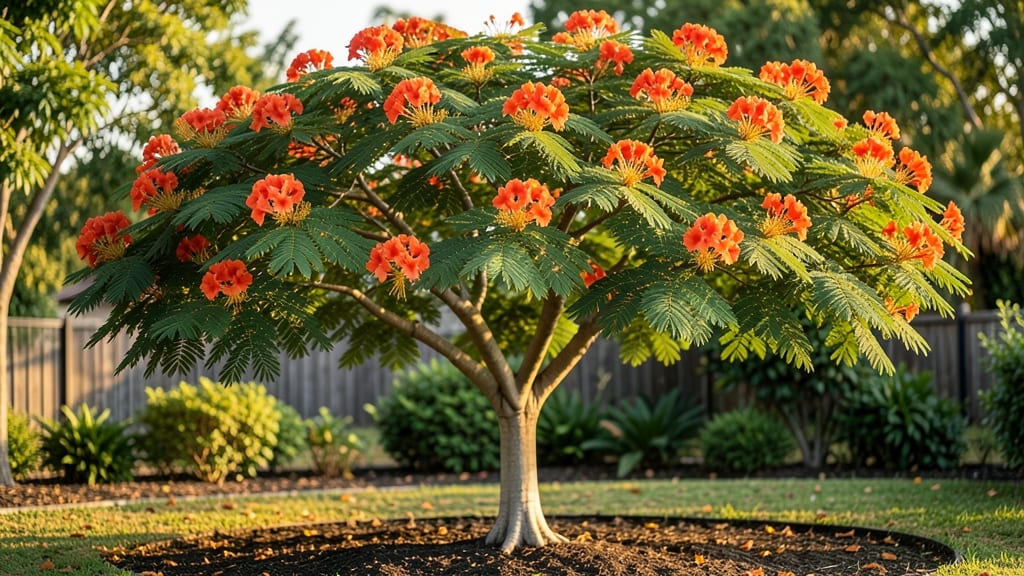
The gulmohar tree flower’s bold orange blooms can turn any garden into a fiery spectacle—but growing one successfully is easier said than done.
Picture this: a towering 🌳 draped in vibrant red-orange flowers year-round, drawing bees and butterflies like a magnet. Yet, many gardeners struggle with its high-maintenance reputation, from soil drainage issues to drought sensitivity. The secret? Understanding its tropical roots and mimicking its natural habitat.
This guide breaks down everything you need to know—from planting in USDA zones 10-12 to pruning for maximum blooms—so your gulmohar thrives without the guesswork. We’ll also tackle common pitfalls, like overwatering or pest attacks, so you can enjoy its stunning display without the stress.
Ready to grow a showstopper? Let’s dive into the step-by-step care that keeps these fiery flowers blooming for decades.
Gulmohar tree flower characteristics & ideal growing conditions
The gulmohar tree (Delonix regia), also called the flame of the forest, is famous for its vibrant orange-red flowers that bloom in spectacular clusters. These 5-inch-wide blooms appear in spring and summer, creating a fiery display that lasts for weeks.
Unlike many flowering trees, gulmohar blooms are fragrance-free but pack a visual punch that attracts hummingbirds and butterflies. Their unique pagoda-like shape makes them a standout feature in tropical and subtropical gardens.
Native to Madagascar, gulmohar trees thrive in USDA hardiness zones 10-12, but with proper care, they can survive in zones 9-11 as well. These trees are not frost-tolerant, so gardeners in cooler climates must grow them in containers or protected microclimates.
Their fast growth rate means they can reach 30-50 feet tall with a 20-30 foot spread, making them ideal for large landscapes or as focal points in urban settings.
| Characteristic | Details |
|---|---|
| Flower Color | Vibrant orange-red |
| Bloom Season | Spring to early summer |
| Fragrance | None |
| USDA Zones | 10-12 (9-11 with protection) |
| Sunlight Needs | Full sun (6+ hours/day) |
| Soil Type | Well-draining, slightly alkaline |
| Water Needs | Medium (drought-tolerant once established) |
| Mature Height | 30-50 feet |
| Drought Tolerance | High (once mature) |
Gulmohar trees require full sun exposure to produce their most vibrant blooms. Plant them in locations where they receive at least 6 hours of direct sunlight daily, preferably in south-facing areas. They perform best in well-draining soil with a slightly alkaline pH (7.0-8.0).
While they tolerate poor soil conditions, adding compost or organic matter at planting time promotes healthier growth and more abundant flowering.
One of the gulmohar tree's most impressive traits is its drought tolerance. Once established, these trees can survive extended dry periods with minimal watering, making them ideal for water-wise gardens.
However, young trees need regular watering (about 20-30 liters per week) during their first 2-3 years to help their root systems develop. Overwatering can lead to root rot, so always ensure the soil drains quickly.
In their native tropical climates, gulmohar trees bloom year-round, but in temperate zones, they typically produce one main flush of flowers in late spring to early summer. To encourage repeat blooming, prune lightly after the first flush and avoid heavy pruning during the growing season.
These trees are also self-pollinating, meaning they don’t require cross-pollination to produce flowers, which simplifies their care.
Gulmohar trees are notoriously sensitive to frost, with even light freezes causing damage to leaves and flowers. If you live in a cooler climate, plant your gulmohar in a large container and move it indoors or to a protected garage during winter.
In USDA zone 9, young trees may need winter protection like burlap wraps or frost cloths to survive mild frosts.
For optimal growth, fertilize your gulmohar tree twice a year: once in early spring (before new growth begins) and again in mid-summer (to support flowering). Use a balanced
Step-by-step guide to planting & pruning gulmohar trees for maximum blooms
The gulmohar tree (Delonix regia) transforms any garden with its vibrant orange-red blooms, but proper planting and pruning are key to encouraging those show-stopping flowers. Whether you're planting in containers or ground, timing and technique make all the difference.
Let’s dive into the essential steps to set your gulmohar up for a lifetime of stunning displays.
First, choose the right location—gulmohar trees thrive in full sun (6+ hours daily) and well-draining soil. Avoid waterlogged spots, which can stunt growth or cause root rot.
If planting in containers, use a large pot (at least 24 inches wide) with drainage holes and a mix of cactus/succulent soil blended with compost. For ground planting, dig a hole twice as wide as the root ball but no deeper.
-
Step 1: Select the Planting Season
Best Time: Early spring or rainy season -
Step 2: Prepare the Planting Site
For ground: Loosen soil 2-3 feet deep; for containers: Use well-draining mix. -
Step 3: Plant the Sapling
Place root ball 1-2 inches deeper than original soil level; backfill with native soil. -
Step 4: Water Thoroughly
Give 20-30 liters of water to settle soil; mulch with 2-3 inches of organic mulch. -
Step 5: Prune for Shape & Blooms
Trim dead/diseased branches in late winter; shape in early spring. -
Step 6: Fertilize Seasonally
Use 8-3-9 NPK in spring/summer; avoid over-fertilizing.
Pruning is where gulmohar trees reveal their true potential. The key is to prune at the right time—never during active blooming season. In late winter or early spring, remove any dead, crossing, or weak branches to improve airflow and sunlight penetration.
For shaping, focus on open-centered growth to encourage more flowering branches.
Avoid the common mistake of over-pruning, which can stress the tree and reduce blooms. Never cut more than 25% of the canopy in one session, and always use sterilized pruning tools to prevent disease.
If your gulmohar isn’t flowering, check for poor sunlight or overcrowded branches—thinning can work wonders. For container-grown trees, prune lightly to control size and encourage bushier growth.
Reviving a struggling gulmohar tree starts with proper watering and soil health. If leaves yellow or drop, it may be overwatered or nutrient-deficient. Adjust your watering schedule to deep soaks every 7-10 days (less in winter) and test soil pH—gulmohars prefer slightly alkaline soil (7.0-8.0).
A balanced fertilizer applied in spring and summer will keep your tree thriving and blooming abundantly.
With these steps, your gulmohar tree will reward you with year-round bursts of color, making it the star of your garden. Remember, patience is key—these trees can take 3-5 years to reach full flowering potential, but the wait is worth it for those dramatic orange blooms! 🌳🌷