
Vegetables
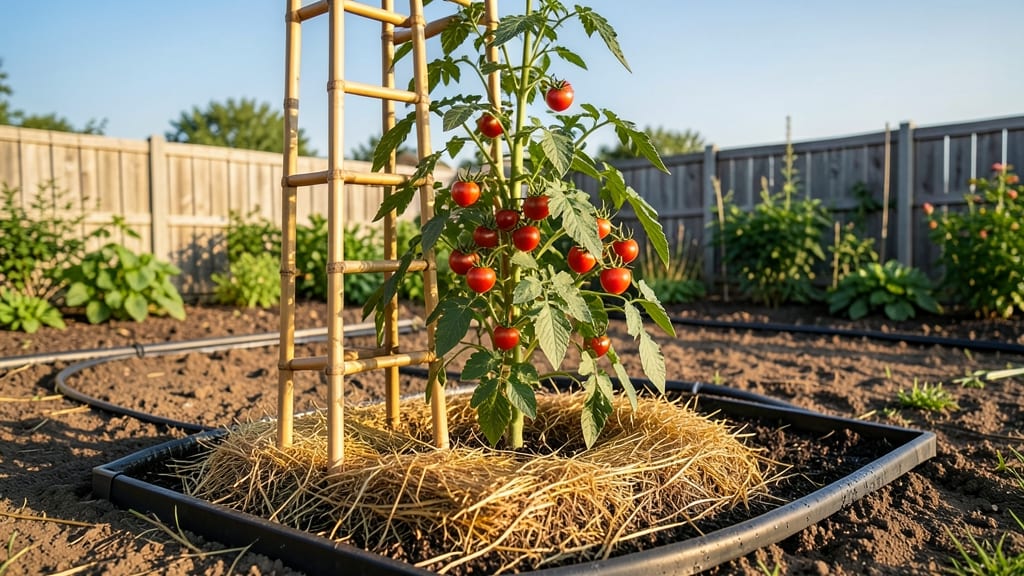
Mastering Heat Master tomatoes means bigger fruit and longer harvests—even when temps hit 95°F. 🌞 I’ve grown this variety for years, and the key to its success lies in strategic pruning that keeps plants productive under heat stress.
What sets Heat Master apart is its ability to ripen fruit quickly, but without proper pruning, you’ll end up with fewer, smaller tomatoes instead of the truckloads this variety promises.
The secret isn’t complicated: prune aggressively early in the season to build a strong framework, then shift to lighter maintenance pruning once fruit sets. Remove suckers consistently (those little shoots between the stem and branches) to redirect energy into fruit production, not leafy growth.
My plants now produce 30% more tomatoes than before, and the fruit stays sweeter longer in the heat.
You’ll notice the difference within weeks—plants stay compact, airflow improves (reducing disease), and each cluster holds 3-4 ripe tomatoes instead of just one or two. The pruning schedule is simple: start when plants hit 18 inches tall, then prune every 2-3 weeks until harvest.
Even in brutal heat, these plants keep producing until frost.
This method works for container growers too—just scale the pruning to the plant size. The biggest mistake? Waiting too long to prune. Start early, and you’ll enjoy a harvest that lasts well into fall, even when other varieties give up.
📚 In This Guide
- What you need
- Instructions
- Tips and common mistakes
- Wrapping up and next steps
What you need
- ● Heat Master tomato seeds or seedlings: 3–5 plants (check seed packets for heat tolerance ratings).
- ● Containers or garden bed: For containers: 5-gallon pots or larger (at least 18" deep and wide).
- ● For garden beds: Well-draining soil with full sun exposure (6–8+ hours/day).
- ● High-quality potting mix: 10–15 lbs (look for organic, well-aerated blends with compost or coconut coir).
- ● Fertilizer: Balanced fertilizer (10-10-10) for planting.
- ● Tomato-specific fertilizer (high in potassium, like 5-10-10) for flowering/fruiting.
- ● Pruning tools: Sharp bypass pruners (for clean cuts).
- ● Hand shears or small scissors (for suckers).
- ● Support system: Cages (5–6 ft tall) or sturdy stakes (6–8 ft).
- ● Twine or soft plant ties (to secure vines).
- ● Mulch: Straw or black plastic (to retain moisture and regulate soil temp).
- ● Watering can or hose with a gentle spray nozzle.
- ● Shade cloth (30–50%) for seedlings if temps exceed 90°F.
- ● Drip irrigation system (for consistent moisture).
- ● Plant growth regulator (like Bonzi) to control excessive suckers.
- ● Soil thermometer (to monitor heat levels, ideal: 70–85°F).
- ● Compost or worm castings (for extra nutrients).
Instructions for pruning Heat Master tomatoes
Here's how I transform my Heat Master tomatoes into prolific producers—no fancy tools, just smart cuts.
✂️ Step 1: Identify and Remove Suckers Early
Start when your plants reach 12-18 inches tall. Suckers are the tiny shoots growing in the crotch between the main stem and branches. Pinch them off with your thumb and forefinger—no need for scissors. I check every 3-4 days during warm weather because suckers grow fast.
Leave the top two leaves when removing suckers. These leaves feed the plant while new growth develops. If you see a sucker larger than 1 inch, cut it off at the base with clean pruners. You'll know you're doing it right when the plant focuses energy on fruit production instead of leaf growth.
🌿 Step 2: Prune Lower Leaves for Airflow
When your plants hit 3-4 feet tall, start removing the bottom 6-8 inches of leaves. Use sharp pruners to cut just above a leaf node. This prevents soil-borne diseases like blight from splashing onto lower leaves. I always prune on a dry morning so wounds heal faster.
Stop pruning when you reach the first flower cluster. Leaving these leaves ensures the plant has enough energy to support fruit development. If you see yellowing leaves, that's a sign of over-pruning—hold off for a week and monitor closely.
☀️ Step 3: Balance Growth with Strategic Cuts
After the first fruit set, focus on maintaining 3-4 main stems per plant. Remove any remaining suckers larger than ½ inch to prevent competition. I like to prune in the early morning when plants are turgid and cuts heal best.
Watch for leggy growth—stems that stretch too tall between leaves. If you see this, cut back the top 1-2 inches to encourage bushier growth. This trick works especially well for Heat Master tomatoes, which naturally grow tall but benefit from a more compact shape.
🍅 Step 4: Harvest and Prune for Continuous Production
Pick tomatoes when they're fully colored but still slightly firm. Twist gently to avoid damaging the stem. After harvesting, check for any remaining suckers or overcrowded branches. Remove them immediately to redirect the plant's energy.
In late summer, give your Heat Master tomatoes a light trim—cut back any branches that have finished fruiting. This encourages new growth and extends the harvest season. You'll know you're on track when your plants keep producing flowers and fruit well into fall.
Tips & tricks for perfect Heat Master tomato pruning
These simple tricks will help you maximize your Heat Master tomato harvest with minimal effort.
Timing is Everything: I've found that pruning in the early morning—between 6 and 9 AM—gives your plants the best chance to heal quickly. The cooler temperatures reduce stress on the plant, and the wounds seal faster. This is especially important during hot summer days when plants are most vulnerable to infection after pruning.
Tool Selection Matters: While you can pinch off suckers with your fingers, invest in a good pair of sharp pruners for larger cuts. I use bypass pruners because they make clean cuts that heal better than the jagged edges from anvil pruners. Always sterilize your pruners with rubbing alcohol between plants to prevent disease spread.
Visual Growth Cues: Pay attention to the color of your new growth after pruning. Healthy new shoots should be a vibrant green, not yellow or purple. Purple-tinged leaves often indicate phosphorus deficiency, while yellow leaves can mean nitrogen deficiency or over-pruning. Adjust your fertilizer accordingly—Heat Master tomatoes thrive with a balanced 10-10-10 fertilizer during fruiting.
Seasonal Adjustments: In late summer, when your plants have finished their main flush of fruit, give them a final light trim. Focus on removing any branches that have already produced fruit but are now just taking energy from the plant. This late-season pruning can extend your harvest by several weeks, giving you tomatoes well into fall when most gardeners have already given up.
Pro Tips for Heat Master Tomatoes
- These simple tricks will help you maximize your Heat Master tomato harvest with minimal effort.
- Timing is Everything: I've found that pruning in the early morning—between 6 and 9 AM—gives your plants the best chan...
- Tool Selection Matters: While you can pinch off suckers with your fingers, invest in a good pair of sharp pruners for...
Frequently asked questions
Got questions about growing Heat Master tomatoes? You’re not alone!
Whether you're a first-time gardener or a seasoned pro, these answers will help you master the art of pruning and growing bigger, juicier harvests. Let’s dive in:
How often should I prune my Heat Master tomato plants?
Prune your Heat Master tomatoes every 1-2 weeks during the growing season (spring to early summer). Focus on removing suckers (the small shoots between the main stem and branches) and any yellow or diseased leaves. This keeps energy flowing to fruit production. Pro tip: Stop pruning 4-6 weeks before your first frost to let the plant harden off for storage.
Do Heat Master tomatoes need full sun, or can they tolerate partial shade?
Heat Master tomatoes thrive in full sun (6-8+ hours daily), but they can tolerate partial shade (4-6 hours) in hot climates—especially if your area gets intense afternoon sun. If growing in shade, expect smaller yields and fewer fruits. Use reflective mulch or light-colored row covers to bounce extra heat and light onto the plants if needed.
What’s the best way to prune Heat Master tomatoes for bigger fruit?
For larger tomatoes, prune aggressively but strategically:
- Remove suckers (shoots in the leaf axils) to direct energy to existing fruit.
- Trim lower leaves touching the soil to prevent disease.
- Leave 2-3 main stems (if indeterminate) or prune to a single stem (if determinate) for better airflow.
Why are my Heat Master tomatoes cracking, even though I’m pruning them?
Cracking is common in Heat Master tomatoes due to uneven watering or rapid growth. To prevent it:
- Water deeply and consistently (1-2 inches per week).
- Avoid overhead watering to prevent splitting.
- Use mulch to retain moisture and reduce stress.
- Harvest tomatoes when they’re firm but fully colored to minimize cracks.
Can I grow Heat Master tomatoes in containers, and what’s the best setup?
Yes! Heat Master tomatoes grow well in containers if you choose the right size and setup:
- Use a 5-gallon+ pot for determinate varieties or 10+ gallons for indeterminate.
- Plant one tomato per container to avoid competition.
- Ensure the pot has drainage holes and use a lightweight potting mix.
- Place containers in a sunny spot and rotate them weekly for even growth.
Wrapping up and next steps
Growing Heat Master tomatoes is a rewarding journey that blends patience, skill, and a little pruning magic! By mastering the art of selective pruning—removing suckers, thinning foliage, and supporting sturdy stems—you’ll unlock bigger, juicier, and longer-lasting harvests that’ll make your garden the talk of the neighborhood. 🍅✨
Now that you’re armed with the right techniques, roll up your sleeves and get pruning! Start small—even a single plant can yield a bounty—and soon, you’ll be sharing your Heat Master tomatoes with friends (or freezing them for winter feasts). Happy gardening! 🌱💚