
Size
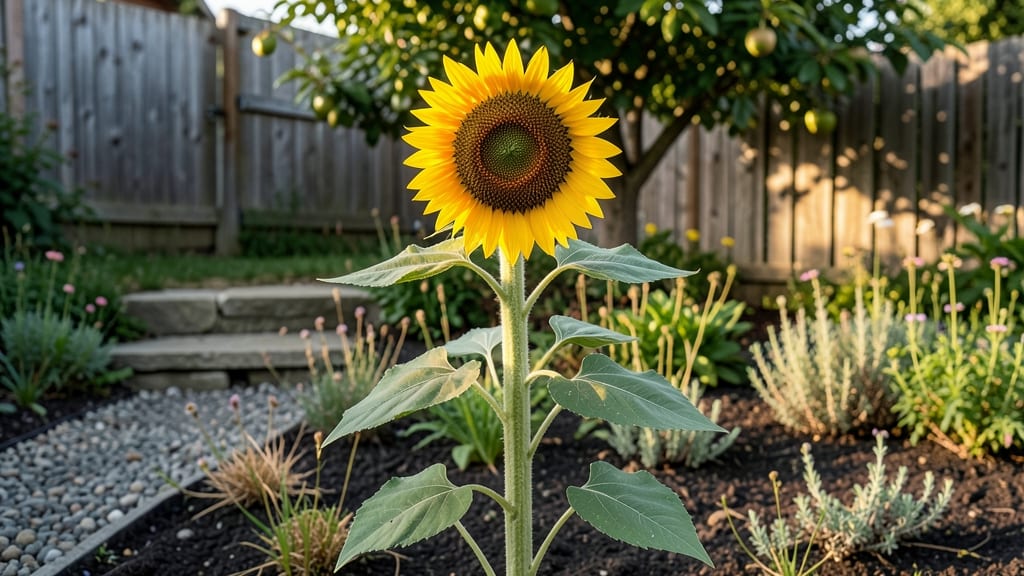
Sunflowers grow to heights that can range from just a few feet to towering giants over 16 feet tall, depending on the variety and how you care for them.
Imagine a bright yellow stalk reaching higher than your front door, or a tiny 🌻 that fits perfectly on a patio table—both are possible with the right choices. Whether you're dreaming of a dramatic garden backdrop or a compact container display, sunflower height is the first thing to consider.
Dwarf varieties stay under 3 feet, making them ideal for small spaces, while standard types can shoot up to 12 feet or more. The tallest sunflowers, like the legendary 'Russian Giant,' can even surpass 16 feet with the right conditions—think rich soil, plenty of sunlight, and consistent water.
In this guide, I’ll break down the height ranges of popular varieties, share tips for encouraging (or controlling) growth, and show you how to use sunflowers of all sizes to create stunning, functional garden designs.

Sunflower height by variety: from dwarf to giant types
Sunflowers come in an astonishing range of heights, from compact patio varieties to towering giants that reach 12 feet or more.
The variety you choose determines not just how tall your sunflowers will grow, but also how much space they need, how sturdy they are in wind, and even how long they take to mature.
For example, dwarf varieties like 'Teddy Bear' stay under 3 feet tall, making them perfect for containers, while giant types like 'Russian Giant' can soar to 14-16 feet—ideal for creating dramatic focal points in large gardens.
Understanding these height differences helps you plan your garden layout, whether you're creating a sunflower hedge with medium-height varieties or using towering types to frame a view.
Each height category also has specific growing requirements—taller sunflowers need richer soil and more frequent watering to support their weight, while dwarf varieties thrive in smaller spaces with minimal care. Let’s explore the full spectrum of sunflower heights and how to grow them successfully.
🌻 Pro Tip: Always check the seed packet for mature height estimates, as even within categories, individual plants can vary by 1-2 feet based on growing conditions.
Dwarf sunflowers like 'Teddy Bear' are my go-to for container gardening or adding height to window boxes without overwhelming the space. These varieties mature in just 60-70 days and produce 3-4 inch blooms, perfect for attracting bees and butterflies to small gardens.
Their compact size also makes them ideal for urban balconies where space is limited, and they rarely need staking.
For medium-height varieties like 'Autumn Beauty', you’ll get 5-7 foot stalks with multi-colored petals that fade beautifully from yellow to deep red. These are fantastic for cutting gardens because they hold their stems well in vases and last for 7-10 days.
To maximize their height, I always plant them in well-amended soil with a balanced fertilizer (5-10-10) at planting time and again when they reach 12 inches tall.
When it comes to giant sunflowers, 'Mammoth Russian' and 'Giant Russian' are the undisputed champions, capable of reaching 14-18 feet under ideal conditions. These varieties require extra care—they need deep, fertile soil, consistent watering, and often staking or cages to prevent toppling in windy conditions.
I’ve seen 'Giant Russian' plants in my garden lean dramatically if not supported, so I always install 3-foot tall stakes at planting and tie the stems loosely with soft fabric as they grow.
One of my favorite lesser-known varieties is 'Pacino', a medium-tall sunflower that grows 6-8 feet and produces dark brown centers that contrast beautifully with its golden petals. This variety is also disease-resistant, making it a reliable choice for
How sunflower height affects your garden design & growth tips
Sunflower height isn’t just about aesthetics—it directly impacts your garden’s layout, sunlight access, and even wind resistance. A 10-foot sunflower needs completely different spacing than a 2-foot dwarf variety, and taller stems require sturdier support to avoid flopping in storms.
Understanding these factors helps you design a thriving sunflower display while preventing common growth problems.
Taller sunflowers create stunning vertical focal points but demand more space and sunlight. Meanwhile, compact varieties work perfectly for containers or small gardens. The key is matching your sunflower’s mature height to your garden’s conditions and design goals.
Let’s break down how height impacts everything from spacing to sunlight needs—and how to optimize growth for your specific variety.
- 1 Spacing rules: Dwarf varieties (1-3 ft) need 12 inches apart, while giants (10+ ft) require 36+ inches to prevent overcrowding and disease.
- 2 Sunlight needs: Tall sunflowers (8+ ft) demand 8+ hours of sun daily, while dwarf types thrive with 6 hours. Partial shade stunts growth in all varieties.
- 3 Wind resistance: Stems over 6 ft tall need staking or cages in windy areas. Use bamboo stakes or tomato cages for support.
- 4 Soil depth: Deep-rooted giants (12+ ft) need 18+ inches of loose soil, while dwarf types grow well in 12-inch containers with drainage.
- 5 Common mistakes: Overcrowding, underwatering during budding, and lack of support are the top reasons sunflowers fail to reach their full height potential.
For taller growth, focus on these proven techniques: Plant seeds 1 inch deep in nutrient-rich soil with a 5-10-10 fertilizer at planting. Water deeply every 3-5 days (more in summer) and avoid wetting the foliage to prevent fungal diseases like powdery mildew.
I’ve found that morning watering gives stems time to dry, reducing rot risks.
If you’re working with limited space, opt for dwarf or semi-dwarf varieties like ‘Teddy Bear’ (2-3 ft) or ‘Moulin Rouge’ (3-4 ft). These thrive in containers and still produce stunning blooms.
For small gardens, consider vertical gardening—train taller varieties along trellises or fences to save space while adding height to your design.
One mistake I see often is assuming all sunflowers need the same care. Giant varieties like ‘Russian Giant’ (12-16 ft) require extra phosphorus for stem strength, while dwarf types benefit from regular pinching to encourage bushier growth.
Always check your variety’s specific needs—this makes all the difference in achieving the height you want.
Remember, sunflowers are annuals, so their height depends entirely on this season’s conditions. With the right variety, spacing, and care, you can grow sunflowers that reach skyscraper heights—or keep them compact for patio displays. The key is matching your plants to your garden’s unique conditions. 🌻