
Vegetables
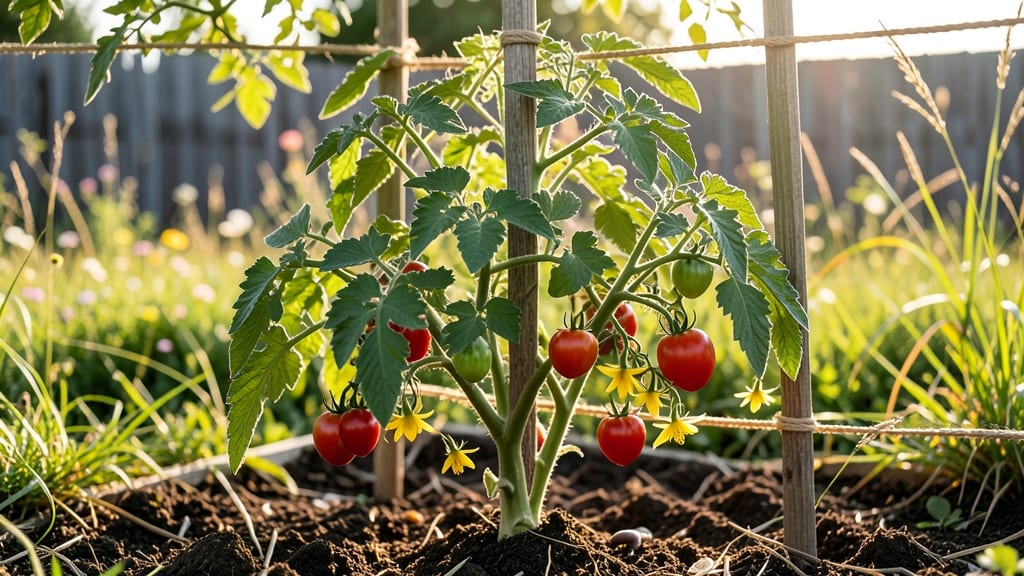
Growing your own tomatoes means homegrown flavor that store-bought varieties can't match. 🌱 The secret to consistent harvests starts with the right varieties, soil prep, and a few simple growing habits that turn average plants into prolific producers.
My first attempt ended with just three tomatoes—but I learned enough to now fill jars with sauce and baskets with ripe fruit by mid-summer.
You'll need a sunny spot with at least 6-8 hours of sunlight, nutrient-rich soil (or a quality potting mix for containers), and the right tomato variety for your climate. Determinate types are great for canning, while indeterminate varieties climb and produce all season.
Most beginners start with seedlings, but growing from seed saves money and gives you access to heirloom varieties. The key is patience—seedlings need warmth and consistent moisture to avoid leggy, weak growth.
With proper care, you'll harvest dozens of tomatoes per plant by late summer, each one packed with garden-fresh sweetness. Pruning suckers early directs energy to fruit production, while regular watering (about 1-2 inches per week) prevents blossom-end rot.
The first ripe tomato is a reward worth every bit of effort—especially when you're still harvesting in fall.
This method works for backyard gardens, raised beds, or even containers on patios. Whether you're a first-timer or looking to boost yields, these techniques will transform your tomato-growing game. Let's get those plants thriving!
📚 In This Guide
- What you need
- Instructions
- Tips and common mistakes
- Wrapping up and next steps
What you need
- ● Tomato Seeds or Seedlings: 6–10 seeds (if starting from scratch) or
- ● 3–5 healthy seedlings (if transplanting; choose disease-resistant varieties like 'Cherry Tomato,' 'Beefsteak,' or 'Roma').
- ● Containers or Garden Bed: 5-gallon pots (1 per plant) or
- ● Raised beds (minimum 12" deep) or
- ● In-ground plot (full sun, 6+ hours/day).
- ● Potting Mix: 1–2 bags of sterilized, well-draining mix (avoid garden soil—it compacts!).
- ● Fertilizer: Balanced organic fertilizer (e.g., 10-10-10) or
- ● Compost (homemade or store-bought).
- ● Support Structures: Cages (6+ ft tall) or
- ● Trellises or
- ● Stakes (wooden or metal, 4–6 ft long).
- ● Tools: Trowel or small shovel
- ● Watering can (with a gentle spray nozzle)
- ● Pruning shears (for harvesting/snipping)
- ○ pH test kit (optional but helpful for soil health).
- ● Mulch (straw or shredded leaves) to retain moisture.
- ● Drip irrigation system for consistent watering.
- ● Plant markers (to track varieties).
- ● Epsom salt (for magnesium boosts during flowering).
- ● Row covers (to protect from pests or frost).
Step-by-step guide to year-round home grown tomatoes
Here’s how I’ve mastered consistent tomato harvests—regardless of season—using light, heat, and soil hacks.
☀️ Step 1: Choose the Right Varieties for Your Climate
Determinate varieties like ‘Roma’ or ‘Celebrity’ produce fruit in one flush, perfect for canning, while indeterminate types like ‘Sungold’ or ‘Brandywine’ keep yielding until frost. For year-round growing, prioritize heat-tolerant varieties that thrive in 70-85°F ranges. If you’re extending seasons, opt for cold-hardy heirlooms like ‘Stupice’ that handle 40°F nights better.
I always start with two plants per pot (using 5-gallon containers) to ensure pollination—tomatoes need movement to trigger fruit set. Place them near a window or under grow lights for 12-14 hours of light daily. Watch for first true leaves (not the initial seed leaves) before transplanting outdoors or into larger pots.
🪴 Step 2: Optimize Soil and Container Setup
Use a sterile potting mix with added compost (I blend 50% mix, 30% compost, 20% perlite) to prevent soil-borne diseases. Tomatoes hate soggy roots, so ensure containers have multiple drainage holes. I repurpose 5-gallon buckets with cut-off bottoms for self-watering setups—just add a reservoir at the base.
Plant 2-3 inches deep, burying stems up to the first leaves to encourage root growth along the buried section. This trick boosts stability and water uptake, especially in containers. Water deeply until it drains from the bottom, then let the top inch dry before watering again—consistent moisture prevents blossom-end rot.
💧 Step 3: Master Watering and Fertilizing for Continuous Fruit
Tomatoes need 1-2 inches of water weekly, but I adjust based on leaf color and soil dryness. Yellowing leaves signal underwatering, while drooping (even after watering) means overwatering. Use a drip irrigation system or water at the base early in the morning to avoid fungal issues.
Feed every 2-3 weeks with a balanced 10-10-10 fertilizer (diluted to half-strength) once flowers appear. I switch to fish emulsion during fruiting for a phosphorus boost—this prevents bitter fruit and encourages sweeter flavors. Stop fertilizing 4-6 weeks before first frost to harden off plants for winter storage.
✂️ Step 4: Prune and Support for Maximum Yield
Prune suckers (the shoots that grow between the stem and branches) weekly to direct energy to fruit production. I leave 2-3 main stems on indeterminate varieties, pinching back side shoots to improve airflow. For determinate types, minimal pruning is needed—just remove lower leaves to keep foliage off the ground.
Stake or cage plants immediately after transplanting to prevent stem breakage. I use 6-foot bamboo stakes tied with soft cloth strips—never wire, which cuts into stems. Watch for first flowers to appear, then switch to morning watering only to reduce disease risk from evening moisture.
🌱 Step 5: Extend the Season with Seasonal Adjustments
For spring/summer, harden off seedlings by placing them outside for 1-2 hours daily, gradually increasing to full sun over 7-10 days. In fall/winter, move pots into a garage or greenhouse where temperatures stay above 50°F. Use grow lights if natural light drops below 8 hours daily—tomatoes need light to set fruit.
Harvest when tomatoes are fully colored but still slightly firm—this ensures peak flavor and prevents overripening. I pick every 2-3 days during peak season to encourage more production. Store unripe tomatoes at room temperature until they ripen, then refrigerate for up to 2 weeks. This keeps your harvest going long after the vines stop producing.
Tips & tricks for perfect year-round tomato harvests
These game-changing strategies will help you maximize your tomato yields no matter the season.
Variety Selection: For year-round growing, prioritize heat-tolerant indeterminate varieties like 'Sungold' or 'Brandywine' that thrive in 70-85°F ranges. If extending seasons, cold-hardy heirlooms like 'Stupice' handle 40°F nights better. I've found that planting two plants per 5-gallon container ensures better pollination—tomatoes need movement to trigger fruit set.
Container Setup: Bury stems 2-3 inches deep when planting to encourage root growth along the buried section. This boosts stability and water uptake, especially in containers. Use a sterile potting mix with added compost (50% mix, 30% compost, 20% perlite) to prevent soil-borne diseases. I repurpose 5-gallon buckets with cut-off bottoms for self-watering setups—just add a reservoir at the base to maintain consistent moisture.
Light Management: Tomatoes need 12-14 hours of light daily for optimal growth. In fall/winter, supplement with grow lights if natural light drops below 8 hours. Place seedlings near a window during hardening off (1-2 hours daily) before gradually increasing to full sun over 7-10 days. This gradual transition prevents shock and encourages stronger plants.
Pruning and Support: Prune suckers weekly to direct energy to fruit production. For indeterminate varieties, leave 2-3 main stems and pinch back side shoots to improve airflow. Stake plants immediately after transplanting using 6-foot bamboo stakes tied with soft cloth strips—this prevents stem breakage. Once flowers appear, switch to morning watering only to reduce disease risk from evening moisture.
Pro Tips for Home Grown Tomatoes
- These game-changing strategies will help you maximize your tomato yields no matter the season.
- Variety Selection: For year-round growing, prioritize heat-tolerant indeterminate varieties like 'Sungold' or 'Brandywine' that thrive in 70-85°F ranges.
- Container Setup: Bury stems 2-3 inches deep when planting to encourage root growth along the buried section.
Frequently asked questions
Got questions about growing your own tomatoes? You’re not alone! Here are some of the most common queries—plus quick, actionable answers to help you crush your homegrown harvest.
When is the best time to plant homegrown tomatoes?
For most climates, plant after the last frost when soil temps hit 60°F (15°C). In warmer zones (like Zones 8-10), start seeds indoors 6-8 weeks before the last frost or sow directly in spring. Use black plastic mulch to warm soil faster if needed!
How do I know if my homegrown tomatoes are ripe?
Look for color change (deep red, yellow, or pink), a slight give when gently squeezed, and a sweet aroma near the stem. For heirlooms, wait until fully colored—even if they’re still firm. Pro tip: Harvest in the morning for peak flavor!
Can I grow tomatoes year-round, even in cold climates?
Yes! Use season extenders like cold frames, hoop houses, or grow lights indoors. Start seeds early indoors (Jan-Feb) and transplant outdoors after frost. In winter, grow cherry or dwarf varieties in containers near sunny windows or under grow lights.
What’s eating my tomatoes, and how do I stop it?
Common culprits: hornworms (stripy green caterpillars), aphids (sticky leaves), and blossom end rot (calcium deficiency = dark spots). Fix it with:
- Handpick pests (drop in soapy water)
- Spray neem oil for aphids
- Add crushed eggshells or lime to soil for calcium
What’s the easiest tomato variety for beginners?
Start with determinate varieties (bush-type) like ‘Roma’ or ‘Celebrity’—they’re compact, productive, and disease-resistant. For fun flavors, try ‘Sungold’ (cherry) or ‘Brandywine’ (heirloom). Avoid indeterminate vines (like ‘Beefsteak’) until you’re ready for staking!
Wrapping up and next steps
Growing your own home-grown tomatoes isn’t just rewarding—it’s a delicious way to enjoy fresher, tastier produce year-round! Whether you’re a seasoned gardener or just starting, these yield-boosting hacks will help you cultivate juicier, healthier tomatoes with confidence. 🌱
Now that you’re armed with the right materials, tips, and troubleshooting tricks, it’s time to roll up your sleeves and get growing! Start small—even a single plant can yield a bountiful harvest—and don’t forget to share your success with friends or neighbors.
Who knows? You might just inspire the next generation of home gardeners! 🍅✨
Ready to take the next step? Grab your seeds, pick your favorite variety, and let your garden thrive—one tomato at a time!