
Vegetables
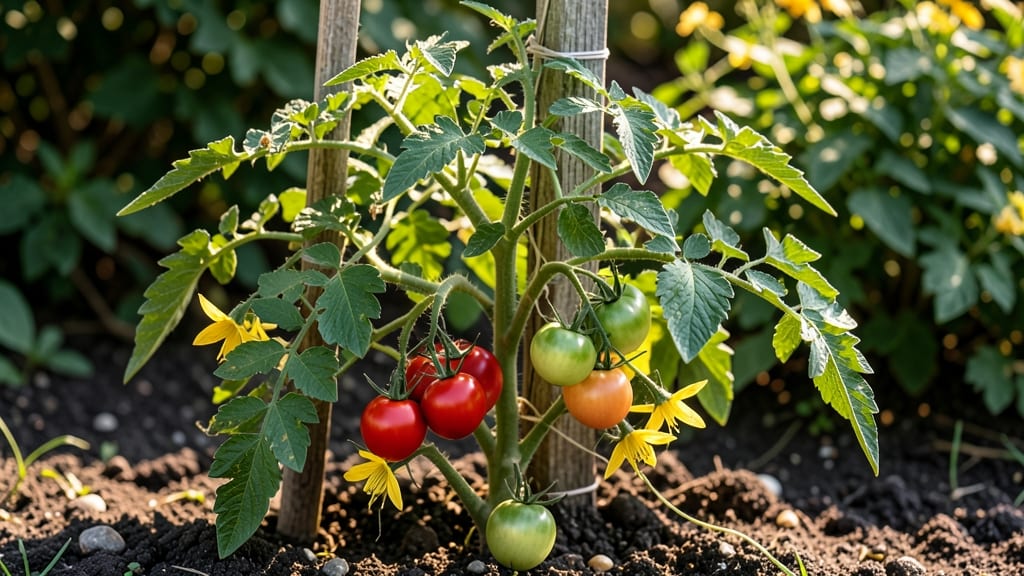
Growing Hot Streak tomatoes changed how I think about winter gardening. 🌱 This cold-hardy perennial keeps producing fruit even when most tomatoes have given up, and its sweet, tangy flavor makes it worth every effort.
The first time I tasted a vine-ripened Hot Streak in December, I knew I'd never go back to annual tomatoes again.
What makes this variety special is its ability to survive winters in zones 5-9 with minimal protection. Unlike tender annuals, Hot Streak tomatoes return each year stronger, saving you time and money.
You'll need well-draining soil rich in organic matter, a sunny spot with at least 6-8 hours of sunlight daily, and consistent moisture—but no soggy roots. The real secret? Pruning aggressively in early spring to encourage bushier growth and heavier fruit production.
By midsummer, you'll be harvesting pound after pound of tomatoes that taste better than anything from the grocery store. The plants handle heat waves better than most varieties, and their compact growth habit makes them perfect for containers or small spaces.
Even my black thumb can't kill these—once established, they're nearly indestructible.
Here's the best part: you can start from seed or buy bare-root plants in early spring. Either way, you'll have tomatoes when others are still dreaming about their garden.
The only challenge is resisting the urge to harvest too early—let them ripen fully on the vine for maximum sweetness. Ready to grow tomatoes year after year?
📚 In This Guide
- What you need
- Instructions
- Tips and common mistakes
- Wrapping up and next steps
What you need
- ● Seeds or young plants: 3–5 Hot Streak tomato seeds or 3–5 nursery-grown plants (ensure they’re labeled as cold-hardy or perennial varieties).
- ● Well-draining soil: A mix of 50% garden soil, 30% compost, and 20% perlite or sand (1–2 cubic yards for a small garden bed).
- ● Fertilizer: Balanced 10-10-10 fertilizer (1 lb per 100 sq ft) for planting.
- ● Organic tomato-specific fertilizer (e.g., fish emulsion or compost tea) for ongoing feeding.
- ● Mulch: Straw or wood chips (2–3 inches thick) to insulate roots in winter.
- ● Support system: Trellis or stakes (5–6 ft tall) to train vines and improve air circulation.
- ● Watering supplies: Drip irrigation or a soaker hose (to deliver 1–2 inches of water weekly).
- ● Garden trowel or transplant spade.
- ● Pruning shears (for trimming and harvesting).
- ● Gloves and a wide-brimmed hat (for sun protection).
- ● pH testing kit (ideal soil pH: 6.0–6.8).
- ● Row covers or frost cloth for early/late-season protection.
- ● Cold frames or mini greenhouses to extend the growing season.
- ● Epsom salt (1 tbsp per plant monthly) for magnesium boosts.
- ● Disease-resistant sprays (e.g., neem oil) for preventive care.
Step-by-step instructions for growing Hot Streak tomatoes
Here’s how to cultivate this cold-hardy perennial—no annual replanting required.
🌱 Step 1: Choose the Right Location and Prepare the Soil
Hot Streak tomatoes thrive in full sun (at least 6-8 hours daily) but tolerate partial shade in hotter climates. I always pick a spot with afternoon shade if your summers hit 90°F+—the fruit burns easily in intense afternoon heat. Test the soil pH first; these tomatoes prefer 6.0-6.8. Amend heavy clay with 2-3 inches of compost (from your materials list) to improve drainage.
Work the compost into the top 12 inches of soil using a broadfork. Avoid tilling—it disrupts soil structure and beneficial microbes. If your soil drains poorly, mound the bed slightly (4-6 inches high) to prevent waterlogging. The goal is loose, fertile soil that warms quickly in spring.
☀️ Step 2: Plant at the Right Time and Depth
Plant bare-root plants in early spring, once soil temperatures reach 55°F—cold soil delays root establishment. Dig a hole twice as wide as the root ball but only as deep as the top of the roots. Hot Streaks grow vigorously, so space 4-5 feet apart in all directions. This perennial spreads, so give it room to establish without crowding.
Place the plant so the crown sits just above soil level—burying it too deep causes rot, while leaving it exposed invites drying. Fill the hole with water, then backfill with soil, pressing gently to remove air pockets. Mulch with 2-3 inches of straw or shredded leaves (from your materials) to retain moisture and suppress weeds.
💧 Step 3: Water Deeply and Maintain Consistent Moisture
Water deeply once a week (or more in extreme heat) to encourage deep root growth. The soil should be dry 2-3 inches down before watering again—surface moisture leads to weak roots. I use a soaker hose to deliver water slowly at the base, avoiding wetting the foliage (which spreads disease). In winter, reduce watering but don’t let the soil dry out completely—these perennials stay semi-dormant but need moisture.
Hot Streak tomatoes are drought-tolerant once established, but consistent moisture produces better fruit. You’ll know you’re on track when the leaves stay deep green and the stems feel sturdy—not mushy or brittle. If leaves yellow, you’re overwatering; if they wilt in the afternoon, increase frequency slightly.
✂️ Step 4: Prune for Airflow and Fruit Production
Prune in early spring to remove dead or crossing branches, which compete for energy. Hot Streaks benefit from light pruning—cut back 1/3 of the oldest growth each year to encourage new, vigorous shoots. Never prune more than 25% at a time, or you’ll stress the plant. Use clean, sharp pruners (from your materials) to make cuts just above a leaf node.
Pinch off the first few flowers that appear in spring—this redirects energy to stronger root and vine growth before fruiting. Once established, let the plant flower freely. Harvest green tomatoes in fall before frost, and they’ll ripen indoors over 2-3 weeks in a sunny spot. The more you prune and harvest, the more productive the plant becomes year after year.
🪴 Step 5: Protect Through Winter and Encourage Regrowth
In Zone 5-8, Hot Streak tomatoes survive winter with minimal protection. Pile 6-8 inches of mulch (from your materials) around the base in late fall, then cover the plant with burlap or frost cloth if temps drop below 20°F. Remove the cover in early spring once new growth appears. In colder zones, dig up the roots, store in slightly moist sand, and replant in spring.
By late winter, you’ll see pale green shoots pushing through the mulch—that’s your cue to thin them to 2-3 strongest stems. Reduce watering slightly in early spring until new growth is 3-4 inches tall, then resume regular care. The first harvest often comes 2-3 weeks earlier than annual tomatoes because the roots are already established.
Tips & tricks for perfectly thriving Hot Streak tomatoes
Here's what I learned after growing these hardy plants for years—simple tricks to avoid common pitfalls and maximize your harvest.
Sunlight Strategy: While Hot Streak tomatoes tolerate partial shade, I’ve found they produce the best fruit when given at least 6-8 hours of direct sun daily. If your summers hit 90°F+, provide afternoon shade to prevent sunscald on the fruit. I always plant mine near a fence or trellis that offers natural shade during peak heat hours. This balance keeps the plants healthy while protecting the fruit from burning.
Soil Prep Secret: The key to establishing these perennials lies in the soil preparation. Work that 2-3 inches of compost into the top 12 inches of soil using a broadfork—never till! Tilling disrupts beneficial microbes that help roots establish. For heavy clay soils, mound the bed 4-6 inches high to improve drainage. I’ve seen plants struggle in compacted soil, but with this prep, they thrive even in less-than-ideal conditions.
Planting Depth Matters: Getting the planting depth right is crucial. The crown should sit just above soil level—never bury it too deep or leave it exposed. I’ve ruined plants both ways! When planting bare-root specimens, make sure the hole is only as deep as the top of the roots. After filling with water and backfilling, press gently to remove air pockets. This simple step prevents rot and ensures proper establishment.
Winter Protection Hack: In Zone 5-8, I’ve found that 6-8 inches of mulch around the base provides enough insulation for winter survival. For extra protection when temps drop below 20°F, cover with burlap or frost cloth. The secret is removing the cover as soon as you see pale green shoots in late winter—that’s your cue the plant is ready for spring growth. This timing is everything for a successful harvest.
Pro Tips for Hot Streak Tomato
- Here's what I learned after growing these hardy plants for years—simple tricks to avoid common pitfalls and maximize your harvest.
- Sunlight Strategy: While Hot Streak tomatoes tolerate partial shade, I’ve found they produce the best fruit when given at least 6-8 hours of direct sun daily.
- Soil Prep Secret: The key to establishing these perennials lies in the soil preparation.
Frequently asked questions
Got questions about growing and enjoying Hot Streak tomato? You’re not alone! This cold-hardy perennial is unique, but like any plant, it comes with a few common queries. Below, we’ve answered the most frequently asked questions to help you cultivate success—whether you’re a first-time gardener or a seasoned green thumb.
How cold can Hot Streak tomato tolerate?
The Solanum lycopersicum var. cerasiforme (Hot Streak) is famously cold-hardy, surviving down to 10°F (-12°C) with proper mulching. In zones 7-10, it thrives year-round, while colder climates may need winter protection like row covers or straw mulch. Pro tip: Plant in well-draining soil to prevent frost heave!
When is the best time to harvest Hot Streak tomatoes?
Harvest when tomatoes are fully colored, firm, and slightly soft to the touch—usually 60-70 days after flowering. For best flavor, pick in the morning when sugars are highest. Hot Streak produces year-round in warm climates, but expect peak yields in spring and fall.
Can I grow Hot Streak tomato in containers?
This compact variety thrives in 5-gallon pots or larger with drainage holes. Use a lightweight potting mix and fertilize every 4-6 weeks. Containers warm up faster in spring, giving you an earlier harvest. Just ensure they get 6+ hours of sun daily and move indoors if frost threatens.
Why aren’t my Hot Streak tomatoes fruiting?
Common culprits include lack of sunlight (needs 6-8 hours/day), poor pollination (hand-pollinate if bees are scarce), or over-fertilizing with nitrogen (which boosts leaves, not fruit). Check for pests (like aphids) and ensure consistent watering—Hot Streak loves moisture but hates soggy roots.
What’s a good alternative if Hot Streak doesn’t thrive in my climate?
If winters are too harsh, try ‘Solar Fire’ cherry tomato (disease-resistant) or ‘Black Krim’ (cold-tolerant heirloom). For perennials, ‘Indigo Rose’ tomato (antioxidant-rich) or ‘Cherokee Purple’ (hardy in zones 7+) are great backups. All three offer sweet, flavorful yields with less fuss!
Wrapping up and next steps
The Hot Streak tomato isn’t just another garden addition—it’s a game-changer for cold-hardy growers who crave flavor without the fuss. With its ability to thrive year after year, resist frost, and deliver sweet, juicy fruit, it’s a low-maintenance superstar for both beginners and seasoned gardeners alike. 🌱❄️
Now that you’re armed with the tips, tricks, and troubleshooting to grow your own, why not take the leap? Start small—plant a single vine in a pot or dedicate a corner of your garden—and watch your harvest grow. Your taste buds (and future you) will thank you!
Next step: Mark your calendar, gather your supplies, and get ready to savor the rewards of this cold-loving tomato. Happy growing! 🌿