
Flowers
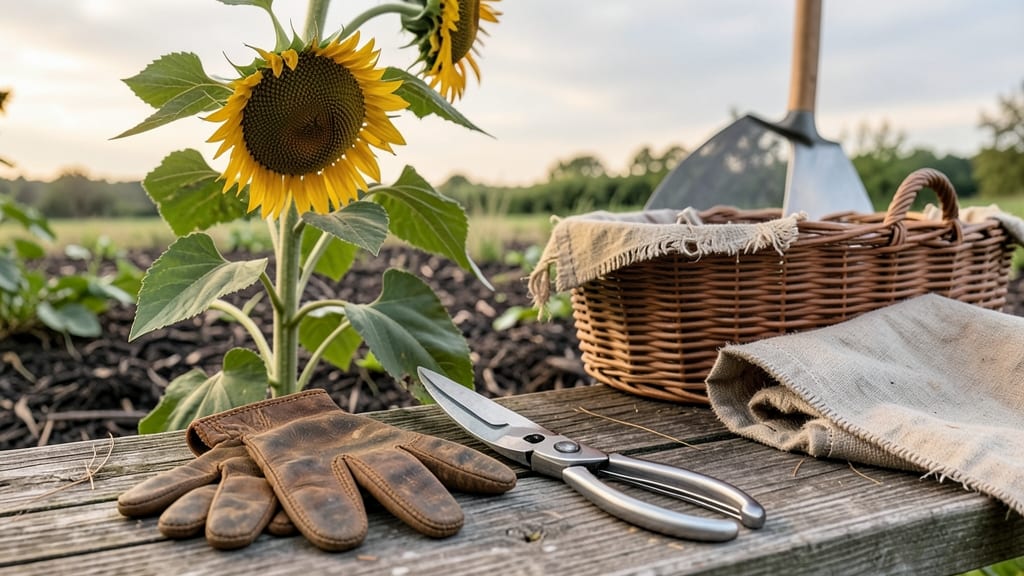
When to harvest sunflowers: key signs for optimal seed maturity & stem strength
Timing your sunflower harvest correctly ensures you get high-quality seeds and strong stems for both ornamental and edible use. The ideal harvest window depends on visual cues from the plant itself, not just days after planting.
For most varieties, this occurs between 70 to 120 days from germination, but environmental factors like temperature and humidity can shift this timeline by weeks.
First, focus on the seed head—this is your primary indicator. When the back of the head turns yellow and the petals begin to droop, it’s a clear sign that seeds are maturing.
Ignoring these visual cues can lead to underdeveloped seeds or premature stem breakage, especially in tall varieties like 'Mammoth' sunflowers that can reach 12+ feet.
Regional differences also play a role. In cooler climates (USDA Zones 3-5), sunflowers may take 10-14 extra days to mature compared to warmer zones (Zones 6-10). High humidity can delay drying, while dry, sunny conditions speed up the process.
Always monitor your local frost dates—harvesting too late risks seed spoilage from moisture.
Here’s a quick reference to help you identify the perfect moment to harvest:
For commercial growers, precision matters even more. Large-scale operations often harvest when 80% of seed heads show maturity signs, using mechanical cutters to avoid damaging stems. Home gardeners, however, can afford to wait for 100% maturity in smaller batches, ensuring every seed is viable.
If you’re growing sunflowers for cut flowers, harvest when petals are fully open but before they droop—this extends vase life by 3-5 days.
Pay close attention to the stem’s firmness. A mature stem should snap easily when bent—this indicates optimal seed dryness. If the stem bends without breaking, wait 3-5 more days.
Overlooking this can lead to moldy seeds during storage, especially in humid climates like the Southeast U.S. where moisture lingers longer.
Temperature also affects harvest timing. In hot climates (Zones 8-10), sunflowers may mature in as few as 60 days, while in cooler zones (Zones 3-5), they might need up to 120 days.
Always adjust your expectations based on your local last frost date. For example, in Zone 5, aim to harvest by mid-September to avoid early frosts.
One common mistake is harvesting too late, which can cause seeds to sprout inside the head or attract pests like birds and squirrels. To prevent this, cover seed heads with breathable mesh bags once they’re mature but before cutting.
This keeps wildlife out while allowing seeds to dry naturally. For edible varieties like 'Autumn Beauty', this step is crucial for preserving seed quality.
Finally, remember that dwarf varieties (1-3 feet tall) mature faster than standard varieties (6-14 feet). If you’re growing a mix, harvest the dwarf types first to avoid overcrowding and ensure all plants reach their full potential.
Always use clean, sharp pruners to make clean cuts—this prevents disease and makes post-harvest processing easier.
Step-by-step sunflower harvesting methods: tools, techniques & post-harvest care
Harvesting sunflowers at the right time ensures high-quality seeds and strong stems for floral arrangements. Whether you're growing for edible seeds or ornamental stems, the method matters. I’ll walk you through the best tools, cutting techniques, and post-harvest care to keep your harvest fresh and viable.
For home gardeners, manual harvesting with basic tools is ideal. You’ll need sharp pruners, clean scissors, or a sickle for larger fields. Always sterilize tools with rubbing alcohol to prevent disease spread.
If you’re harvesting commercial crops, mechanical harvesters can speed up the process, but they require dry conditions to avoid seed damage.
- 1 Choose the right moment: Harvest when the back of the seed head turns yellow-brown and petals droop. Shake the head—if seeds rattle, they’re ready.
- 2 Cut stems at the base: Use clean pruners or scissors to cut 1-2 inches above ground. Avoid tearing stems, which weakens the plant and invites pests.
- 3 Remove leaves and debris: Strip excess foliage to reduce moisture retention, which prevents mold growth during drying. Leave 1-2 inches of stem attached to the seed head.
- 4 Dry seed heads indoors: Hang heads upside down in a well-ventilated area with 50-60% humidity. Avoid direct sunlight to prevent seed cracking. Drying takes 2-4 weeks, depending on humidity.
- 5 Store seeds properly: Once fully dry, rub seeds from the head and store in a cool, dark place (like a glass jar) with a desiccant packet to prevent moisture. Seeds stay viable for 1-2 years if stored correctly.
If you’re harvesting for floral arrangements, cut stems when petals are fully open but before they droop. Place stems in cool water immediately to extend vase life. For seed-saving, ensure seed heads are completely dry before storage to avoid mold contamination.
Never harvest in wet conditions, as moisture speeds up rot. If rain is forecast, cover seed heads with breathable fabric until drying. For large-scale harvests, consider a mechanical harvester, but only when seed heads are fully mature and dry.
With these techniques, you’ll maximize your sunflower yield while keeping seeds and stems in top condition. Happy harvesting! 🌻