
How To
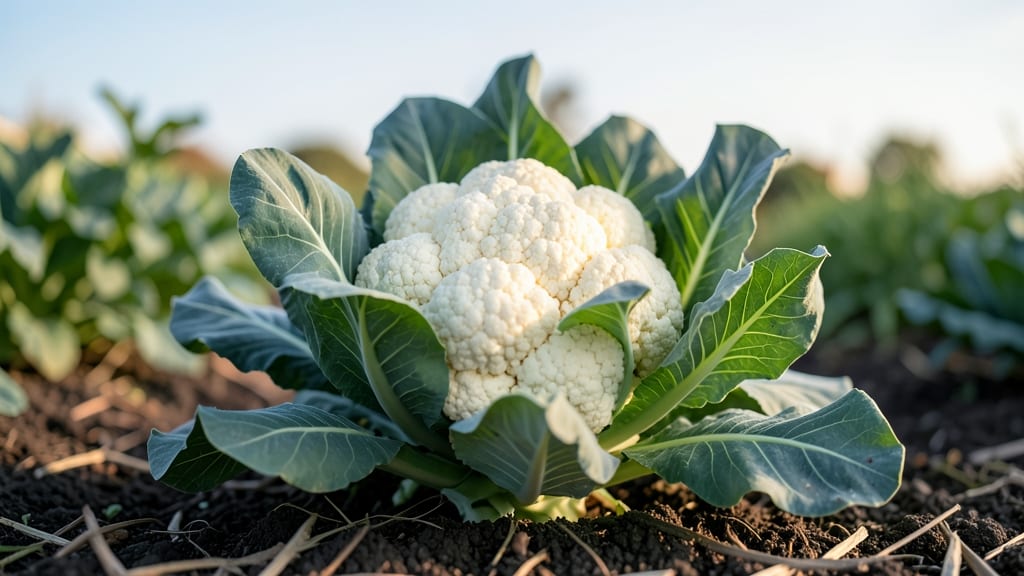
Cauliflower plants grow to a height of 1–2 feet and need 18–24 inches of space between each plant to thrive 🥬—that’s the sweet spot for full-sized heads and easy harvesting.
Wondering if your backyard—or even a small balcony—can handle a thriving cauliflower? The size of mature plants and their spacing needs can make or break your harvest, and getting it right means fewer pests, better yields, and less competition for nutrients.
Most varieties like Romanesco or standard curds top out around 18 inches tall, but their spread demands room to breathe. Crowd them too close, and you’ll end up with stunted heads or bitter-tasting curds—something no home gardener wants.
Below, I’ll break down spacing by variety, container tips for small spaces, and how companion planting can work in your favor. You’ll leave here with a layout that maximizes your garden’s potential.
Mature cauliflower plant size: height, spread, and space requirements explained
When planning your cauliflower garden, knowing the mature plant size is crucial for maximizing space and ensuring healthy head development. Cauliflower plants vary significantly in height and spread depending on the variety, but most fall between 1 to 2 feet tall at maturity.
Understanding these dimensions helps you avoid overcrowding, which can lead to smaller heads and increased disease risk.
The plant height and spread directly impact how many plants you can fit in your garden or containers. For example, dwarf varieties like 'Snowball Y' stay compact at just 8 to 12 inches tall, making them ideal for container gardening or small spaces.
Meanwhile, standard varieties like 'Purple of Sicily' can reach up to 2 feet tall with a 2-foot spread, requiring more room.
Here’s a quick reference for cauliflower plant dimensions by variety, including spacing guidelines to ensure optimal growth:
| Variety | Mature Height | Spread | Spacing (In-Ground) | Spacing (Containers) |
|---|---|---|---|---|
| Dwarf (e.g., 'Snowball Y') | 8-12 in | 12-18 in | 12-18 in apart | 5-gallon pot (1 plant) |
| Semi-Dwarf (e.g., 'Cheddar') | 1-1.5 ft | 18-24 in | 18-24 in apart | 7-gallon pot (1 plant) |
| Standard (e.g., 'Purple of Sicily') | 1.5-2 ft | 2-3 ft | 24-36 in apart | Not ideal (too large) |
| Romanesco (e.g., 'Green Bunching') | 1-1.5 ft | 18-24 in | 18-24 in apart | 7-gallon pot (1 plant) |
| Broccolini (e.g., 'Calabrese') | 1-2 ft | 12-18 in | 12-18 in apart | 5-gallon pot (2-3 plants) |
The spacing requirements for cauliflower plants are critical for preventing competition for nutrients and airflow, which reduces the risk of fungal diseases like clubroot.
For example, standard varieties need at least 24 inches between plants to develop full-sized heads, while dwarf varieties can thrive with just 12 inches of space. In containers, choose pots that are at least 5 gallons for dwarf varieties and 7+ gallons for semi-dwarf types.
If you're growing Romanesco cauliflower, note that its fractal-shaped heads require slightly more space than traditional curds to avoid overcrowding. The spread of 18-24 inches ensures enough room for the plant to produce multiple harvestable heads throughout the season.
For Broccolini, which is more compact, you can fit 2-3 plants in a 5-gallon container as long as they receive adequate sunlight.
Another key factor is the head size, which varies by variety. Most cauliflower heads range from 4 to 8 inches in diameter, but some heirloom varieties can produce heads as large as 10 inches.
Larger heads require more energy from the plant, so adequate spacing ensures they develop properly without stunting growth. For instance, a Purple of Sicily plant with a 2-foot spread needs extra room to support its heavy, dense heads.
For raised beds, aim for 18-24 inches between plants to balance space efficiency with growth potential. If you're planting in rows, leave 2-3 feet between rows to allow for easy access and to prevent soil compaction.
In small gardens or urban settings, consider interplanting cauliflower with fast-growing crops like radishes or lettuce to maximize space usage before the cauliflower fully matures.
Proper spacing also impacts harvest timing. Overcrowded plants may produce smaller heads that mature faster but are less flavorful. By giving each plant enough room, you encourage larger, more robust heads that stay fresh longer.
For example, a Snowball Y plant with 18 inches of space will yield a 6-inch head, while the same variety in a crowded row might only produce a 4-inch head.
Finally, always consider your local climate when planning spacing. In cooler regions, plants may grow more slowly, so slightly tighter spacing (within limits) can work
How to choose the right spacing for your cauliflower garden layout
Cauliflower plants need the right amount of space to develop those large, dense heads you love. Crowding them too closely leads to stunted growth, while giving them too much room wastes precious garden real estate.
The key is balancing air circulation and root space—especially for varieties like Romanesco or purple cauliflower, which grow slightly taller. Let’s break down the best spacing for your growing setup.
For in-ground gardens, aim for 18-24 inches apart in rows spaced 24-36 inches apart. This gives mature plants enough room to spread their 18-inch-wide leaves without competing for sunlight or nutrients.
If you’re growing dwarf varieties (like Snowball Y Improved), you can reduce spacing to 12-18 inches—but only if your soil is rich and well-draining.
| Growing Method | Spacing Between Plants | Row Spacing | Best For |
|---|---|---|---|
| In-Ground | 18–24 inches | 24–36 inches | Standard varieties (e.g., Snowball, Purple of Sicily) |
| Raised Beds | 12–18 inches | 18–24 inches | Dwarf varieties or small gardens |
| Containers (5+ gallon) | 1 plant per container | N/A | Balconies, patios, or small spaces |
| Square Foot Gardening | 4 plants per sq ft | N/A | Maximizing space in tight areas |
Raised beds let you tighten spacing slightly to 12-18 inches apart because the soil warms faster and drains better. Just ensure your bed is at least 12 inches deep—cauliflower roots need room to stretch down.
If you’re using containers, opt for 5-gallon pots or larger and plant just one cauliflower per container. Smaller pots stunt root growth, leading to smaller heads and bolting.
For companion planting, pair cauliflower with onions, garlic, or celery to deter pests like cabbage moths. Avoid planting near tomatoes or strawberries, as they compete for nutrients and attract similar pests.
If space is tight, try intercropping with lettuce or radishes, which mature quickly and free up space before cauliflower needs it most.
Pro tip: If you’re growing multiple varieties, space them differently. Romanesco (taller and bushier) needs 24 inches apart, while broccoli-like cauliflower (like Calabrese) can handle 18 inches. Always check seed packets for variety-specific spacing—some hybrids are bred for closer planting!
Finally, thin seedlings early to avoid overcrowding. If you end up with too many plants, harvest the smallest ones as baby cauliflower or use them in sautéed greens. Proper spacing now means bigger heads and healthier plants later—worth the extra effort! 🌱