
Planting
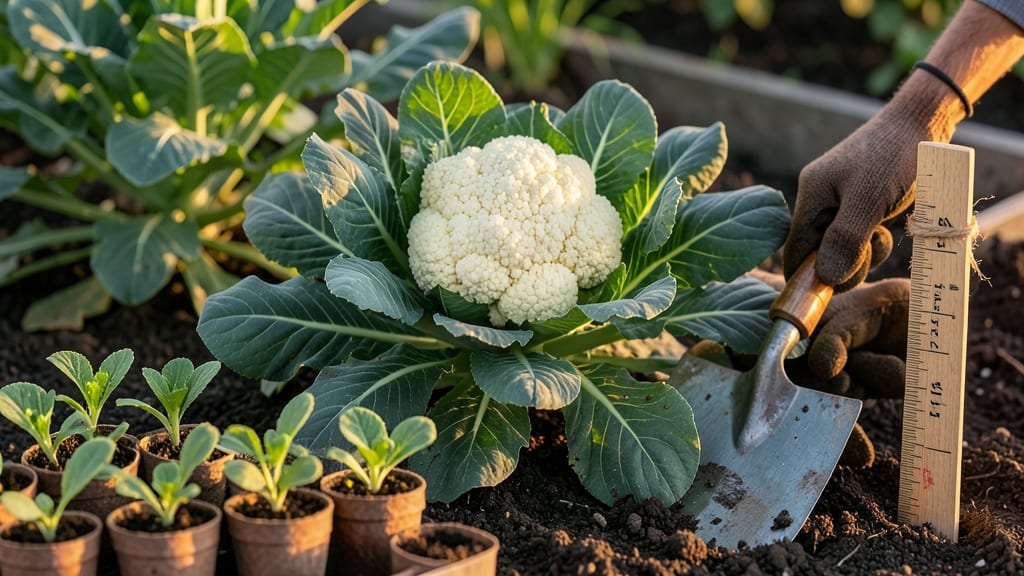
Planting cauliflower how far apart should cauliflower be planted 18 to 24 inches apart is the golden rule for bigger, healthier heads and fewer garden headaches.
Picture this: you’ve spent weeks nurturing your 🥬 plants, only to harvest tiny, bitter heads because they were crammed together like sardines. That’s the cost of ignoring spacing—crowded plants compete for nutrients, trap moisture, and invite diseases that steal your harvest before it even forms.
But here’s the good news: getting the spacing right isn’t rocket science. Whether you’re working with dwarf varieties in containers or standard types in your garden beds, the right distance ensures strong stems, ample airflow, and the space those 6-inch heads need to grow without fighting their neighbors.
Below, I’ll break down the exact spacing you need for your climate, soil, and plant type—plus how to fix it if you’ve already planted too close. No more guesswork, just consistent, restaurant-quality heads from your garden.
Optimal cauliflower spacing by variety and growing conditions
Getting the cauliflower spacing right is like giving your plants their own personal bubble—it’s the difference between bountiful heads and sad, stunted growth. Whether you’re growing standard varieties or compact dwarf cauliflower, proper spacing ensures air circulation, nutrient access, and disease prevention.
Let’s break down the science-backed spacing rules tailored to your garden setup.
Cauliflower plants fall into three main categories: standard, dwarf, and giant varieties. Each has unique spacing needs based on their mature size and growth habits.
For example, dwarf cauliflower like 'Snowball Y Improved' can thrive in tight quarters, while giant varieties like 'Romanesco' need room to stretch their legs. Your growing conditions—whether container gardening or in-ground planting—also play a huge role.
Here’s the golden rule: Cauliflower needs space to breathe. Crowding leads to fungal diseases like clubroot, pest infestations, and nutrient competition, all of which shrink your harvest.
In hot, dry climates, you might need to increase spacing to reduce stress, while cool, moist conditions allow for slightly tighter planting. Let’s dive into the specifics so you can plan your layout like a pro.
📌 Pro Tip: Always measure from the center of one plant to the center of the next. This ensures even distribution and avoids edge-of-the-row crowding.
For container gardening, the rules shift slightly. A 5-gallon pot is perfect for dwarf varieties or one standard plant, but giant cauliflower needs a 15-gallon pot or larger.
Use well-draining soil and add compost to compensate for limited root space. If you’re growing multiple plants in containers, space them 12-18 inches apart to avoid competition.
In hot, dry climates, increase spacing by 2-4 inches to reduce stress on the plants. Heat accelerates growth, and crowded plants compete for water and nutrients, leading to bolting (premature flowering).
If you’re in a cool, moist climate, you can tighten spacing slightly—2 inches closer—since humidity and cooler temps slow growth naturally.
Another key factor is row spacing. For in-ground planting, leave 24-36 inches between rows to allow for easy access and weed control. This also helps with airflow, reducing the risk of fungal diseases like downy mildew.
If you’re practicing succession planting, stagger your rows to maximize space efficiency while keeping each plant’s needs met.
If you’re unsure about your local climate’s impact, observe your plants’ stress signals. Yellowing leaves, stunted growth, or small heads often mean your spacing is too tight. Adjust by thinning seedlings early or transplanting mature plants to give them more room. Remember, prevention is easier than fixing overcrow
Why overcrowding steals your cauliflower’s potential (and how to fix it)
Your cauliflower plants might look healthy at first, but cramped spacing silently sabotages their growth. When plants compete for nutrients, water, and sunlight, they produce smaller, loose heads that never reach their full potential.
I’ve seen gardens where cauliflower was planted just 12 inches apart—only to yield puny, underdeveloped heads that split open before harvest. The solution? Understanding the hidden costs of overcrowding and how to fix it mid-season.
Poor spacing creates a perfect storm of problems: fungal diseases thrive in damp, shaded conditions, pests like cabbage moths find shelter, and roots struggle to access nutrients. Even if your plants survive, they’ll produce stunted heads that lack the density and flavor of properly spaced varieties.
The good news? You can still salvage your crop with a few strategic adjustments—even if you’ve already planted too close.
🚨 CALLOUT WARNING 🚨
- Yellowing leaves (nutrient theft from neighbors)
- Mushy stems (fungal rot from poor airflow)
- Pests clustering (cabbage worms, aphids love tight spaces)
- Heads splitting open (stress from competition)
If your cauliflower is already 4-6 weeks old and showing signs of stress, don’t panic—you can still adjust spacing. Start by identifying the healthiest plants in each cluster.
Use a sharp knife or pruners to cut the weakest stems at the base, then replant the strongest ones in a new location with proper spacing. This method works best in loose, fertile soil where roots can quickly establish in their new home.
For container gardening, the stakes are even higher. Cauliflower in pots needs at least 12-inch spacing (or 1 plant per 5-gallon container), otherwise roots become root-bound and heads stay small.
If you’re growing dwarf varieties, you can squeeze them 12-16 inches apart, but standard types need the full 18-24 inches to thrive. Pro tip: Use self-watering containers to prevent overwatering, which worsens fungal issues in tight spaces.
Prevent future overcrowding by planning your layout before planting. Draw a grid on paper with 2-foot squares for standard varieties, then mark where each plant will go. If you’re short on space, opt for vertical trellises (yes, cauliflower can climb!) or interplant with shallow-rooted crops like lettuce.
The key is airflow—healthy cauliflower needs circulation to prevent disease, just like a well-ventilated room keeps mold at bay.
Remember, spacing isn’t just about numbers—it’s about giving each plant room to breathe, grow, and produce its best. When done right, your cauliflower will reward you with tight, flavorful heads that rival store-bought (or even beat them!).
Start with the right spacing, and you’ll skip the stress of mid-season fixes entirely. Happy planting! 🌱