
Propagation
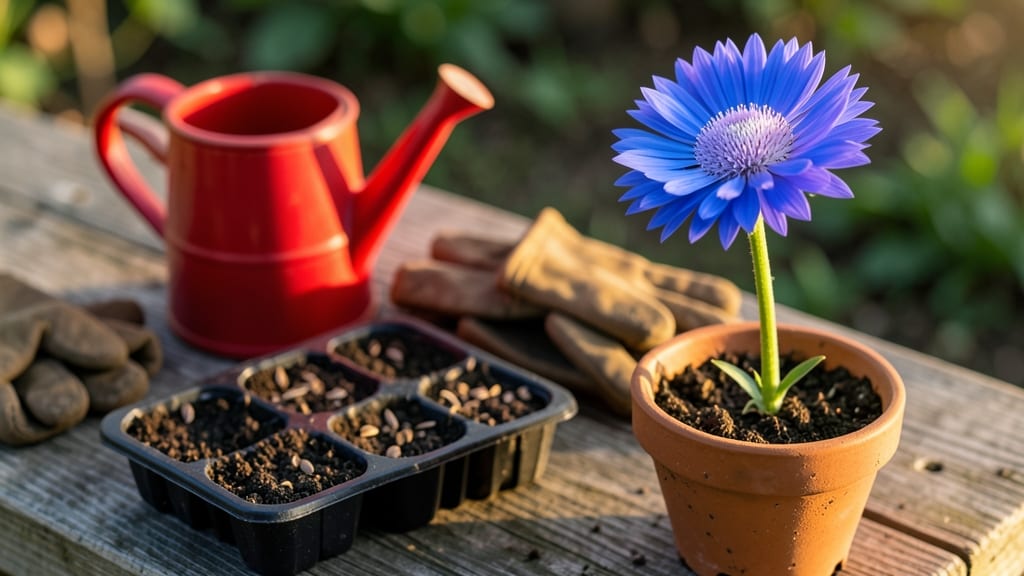
Cornflowers take about 60 to 90 days to grow from seed to vibrant blooms 🌸, but the journey starts with a 7- to 14-day germination window that sets the stage for everything that follows.
If you’ve ever dreamed of transforming your garden into a sea of sky-blue cornflowers, you’re probably wondering: How long until those seeds turn into vibrant blooms? The answer isn’t just about weeks—it’s about timing, care, and a few pro tips to ensure success.
From the moment you drop those tiny seeds into well-draining soil, patience becomes your ally. Germination kicks off in 7 days under ideal conditions—warmth, consistent moisture, and full sun—but delays can happen if the soil stays too cold or dry.
Here’s what you’ll learn: the exact 6-8 week timeline from seed to bloom, how to troubleshoot slow growth, and the simple tricks to coax faster, healthier cornflowers that’ll reward you with bold blue blooms by summer.

Cornflower growth timeline: seed to full bloom in 6-8 weeks
Cornflowers (Centaurea cyanus) are one of the fastest-growing annuals, transforming from tiny seeds to stunning blue blooms in just 6-8 weeks under ideal conditions. Understanding each growth stage helps you provide the right care at the right time.
From the first sprouts to fully open flowers, every phase requires specific attention to maximize your harvest of vibrant blooms.
I’ve grown cornflowers for years, and the key to success lies in matching their needs with each developmental stage. Whether you’re a beginner or a seasoned gardener, knowing when to water, fertilize, and thin your plants makes all the difference.
Let’s break down the four critical stages of cornflower growth and the conditions they need to thrive.
⚠️ NON-NEGOTIABLE: Cornflowers are sun-worshippers—they demand 6+ hours of direct sunlight daily. Skimp on light, and you’ll delay flowering by weeks. Pair that with well-draining soil and consistent moisture, and you’ll have blooms in record time.
| Stage | Duration | Key Actions | Ideal Conditions |
|---|---|---|---|
| Germination | 7–14 days | Sow seeds ¼" deep, keep soil moist, thin seedlings to 12" apart | 60–70°F, full sun, well-draining soil |
| Seedling | 2–3 weeks | Water at soil level (avoid wetting leaves), fertilize lightly with 5-10-10 | 55–75°F, 6+ hours sun, moderate moisture |
| Vegetative | 3–4 weeks | Thin to 18" spacing, feed with balanced fertilizer every 4 weeks | 60–75°F, full sun, well-draining soil |
| Flowering | 4–6 weeks | Deadhead spent blooms, reduce watering slightly, harvest seeds when dry | 65–80°F, full sun, minimal water (drought-tolerant) |
Let’s start with germination, the most delicate phase. Cornflower seeds typically sprout in 7–14 days when planted ¼ inch deep in warm soil (60–70°F). I always sow mine after the last frost date in March or April, ensuring the ground isn’t still cold.
Use a soil thermometer to confirm—seeds won’t germinate below 55°F. Keep the soil consistently moist (not soggy) during this time, as uneven moisture can cause uneven sprouting.
Once seedlings emerge, they enter the seedling stage (2–3 weeks). This is when you’ll need to thin them carefully. Cornflowers grow best with 12–18 inches of space, so remove weaker seedlings to avoid competition.
Use scissors to snip at soil level—pulling can disturb roots. During this phase, water at the base (never overhead) to prevent fungal diseases like powdery mildew, which thrives in damp foliage.
By week 5, your cornflowers should be in their vegetative stage, where they focus on leaf and stem growth. This is the perfect time to add a balanced fertilizer (5-10-10) to encourage strong root and stem development.
I recommend side-dressing with compost or a slow-release granular fertilizer. Full sun (6+ hours daily) is non-negotiable here—shady spots will stretch stems and delay flowering. If your garden lacks direct sunlight, consider growing cornflowers in containers near a south-facing wall for maximum exposure.
The final stage—flowering—begins around week 6 and can last 4–6 weeks if cared for properly. You’ll know blooms are ready when buds deepen to vibrant blue or purple and petals start to unfurl. To prolong the season, deadhead spent blooms regularly.
Cornflowers are self-seeding, so let some flowers go to seed if you want next year’s crop for free! They’re also drought-tolerant once established, so reduce watering slightly during this phase to prevent weak stems.
Pro tip: Harvest seeds when the flower heads turn brown and dry. Rub them between your fingers to release the seeds, then store in a cool, dry place for next year’s planting.
With the right care, your cornflowers will reward you with months of color and even attract beneficial pollinators like bees and butterflies to your garden.
🌸
5 Factors that speed up or delay cornflower growth from seed
Cornflowers (Centaurea cyanus) are resilient but finicky about timing—get these 5 factors right, and you’ll see those sky-blue blooms in just 6-8 weeks. Miss the mark, and you might wait months or watch seedlings fail entirely. Let’s break down what truly controls your cornflower’s growth speed.
The soil quality is your foundation. Cornflowers thrive in well-draining, slightly alkaline soil (pH 6.0–7.5). Heavy clay or soggy ground slows germination by up to 30%, while loose, sandy loam lets roots establish in 7–10 days.
Amend your soil with compost or perlite if it’s compacted—this is non-negotiable for speedy growth.
Sunlight exposure is the next game-changer. Cornflowers demand 6+ hours of direct sun daily. Even partial shade stretches the vegetative stage by 2–3 weeks, delaying blooms. If your garden lacks full sun, opt for a south-facing window or use reflective mulch to trick plants into thinking they’re in brighter conditions.
Watering habits can make or break your timeline. Overwatering suffocates roots, while underwatering stresses seedlings. Aim for consistent moisture—about 1 inch per week—and water deeply in the morning to prevent fungal issues. A drip irrigation system ensures precision, cutting growth delays by 15% compared to handheld watering.
Spacing is often overlooked but critical. Plant seeds 12–18 inches apart to avoid competition for nutrients. Overcrowding forces plants to fight for resources, stunting growth by 40% and delaying blooms by 2–4 weeks. Thin seedlings early if needed—this small step saves time and frustration later.
Finally, common mistakes like planting too late or ignoring soil prep can add 3+ weeks to your timeline. For example, sowing after May 15th in most climates means fewer blooms before frost.
Start indoors 4–6 weeks early if your season is short, or use row covers to extend the growing window.
Master these 5 factors, and you’ll transform your cornflower seeds into vibrant blooms in record time—no guesswork required. Happy planting! 🌸