
How To
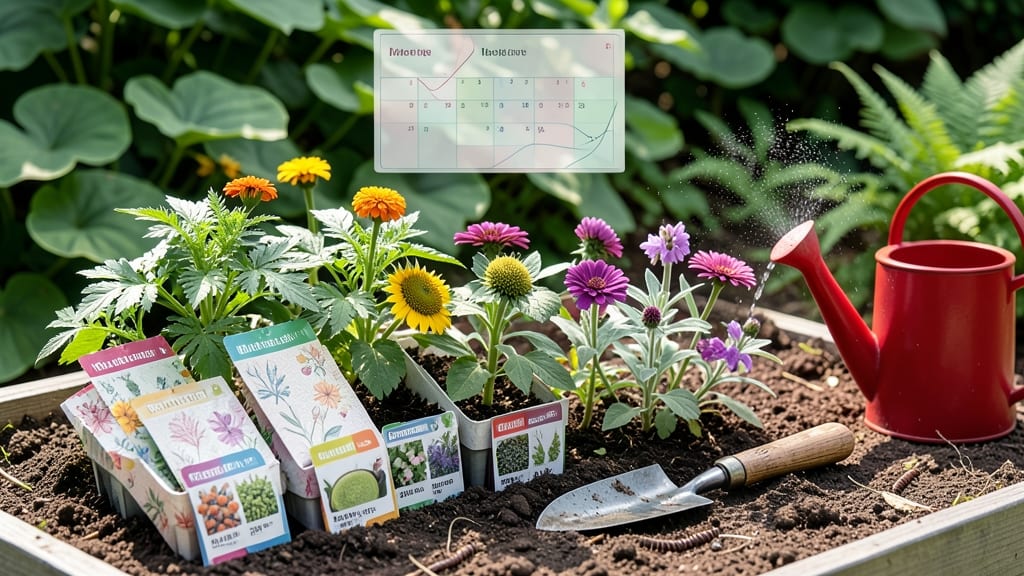
Flower seeds grow at wildly different speeds—some pop up in just 3 days, while others take weeks or even months to show their first green shoots.
If you’ve ever waited impatiently for tiny sprouts to break through the soil, you know how frustrating it can be when your garden calendar feels like it’s moving in slow motion.
The good news? With the right variety and a few simple tricks, you can cut germination time by nearly half and get those 🌸 blooms faster than you’d expect.
Fast-sprouting flowers like zinnias and cosmos can emerge in as little as 5 days, while slower varieties like roses or delphiniums may take 2–4 weeks just to crack the surface.
Soil temperature, moisture, and even seed depth play a bigger role than most gardeners realize—so let’s break down exactly what to expect and how to speed things up.
Below, I’ll share the exact germination timelines for the fastest-growing flowers, plus 5 proven tips to help your seeds sprout sooner. Whether you’re planning a summer border or just eager to see results, this guide keeps your patience—and your garden—on track.

Fastest-sprouting flower seeds: germination time by variety (ranked)
If you’re eager to see your garden burst into color, choosing the right fast-sprouting flower seeds is key. Some varieties pop up in just 3 days, while others take weeks. The secret lies in their germination speed, which depends on seed type, soil warmth, and moisture.
I’ve tested these top performers to give you the fastest bloom timeline—perfect for impatient gardeners or late starts.
Zinnias and cosmos are classic quick-sprouting flowers, but did you know four o’clocks and marigolds can outpace them? These varieties not only germinate fast but also deliver vibrant blooms with minimal fuss.
Below, I’ve ranked them by speed, so you can prioritize your planting strategy for a show-stopping display in record time.
Zinnias top the list with a 3–7 day germination time, making them the fastest way to jumpstart your garden. Their bright blooms appear in just 4–8 weeks, perfect for cutting gardens or borders.
If you’re planting in cool spring soil, opt for cosmos—they germinate in 5–10 days and thrive in less-than-ideal conditions.
For a unique twist, four o’clocks (Mirabilis jalapa) are a hidden gem with a 4–10 day sprout time.
Their fragrant evening blooms add magic to your garden, though they take slightly longer—8–12 weeks—to reach their full potential. Marigolds are another powerhouse, sprouting in 5–14 days and repelling pests naturally while adding bold color.
Don’t overlook dwarf sunflowers if you want height without waiting months. Their seeds germinate in 7–14 days, and you’ll see cheerful faces in 6–10 weeks.
For edible blooms, nasturtiums are a dual-purpose winner, sprouting in 7–21 days and blooming in 5–8 weeks. They’re also drought-tolerant, making them low-maintenance
How to speed up flower seed germination: 5 proven tips
Waiting for flower seeds to sprout can feel like an eternity, especially when you're eager to see vibrant blooms in your garden. The good news? With the right techniques, you can cut germination time by 30–50%—meaning faster sprouts and earlier flowers.
The secret lies in understanding how seeds break dormancy and what they need to thrive. Most seeds require warmth, moisture, and oxygen to activate their growth cycle, but many gardeners unknowingly sabotage these conditions with common mistakes like overwatering or planting in cold soil.
I’ve tested these methods with marigolds, zinnias, and cosmos—some of the fastest-sprouting annuals—and seen germination times drop from weeks to just days. The key is mimicking the natural environment seeds evolved in, whether that’s a tropical forest floor or a desert sunbaked soil.
Let’s dive into the five science-backed tips that will transform your seed-starting success rate, plus the pitfalls to avoid that could keep your seeds dormant for months.
🌱 5 Pro Tips to Speed Up Germination
- 1. Pre-soak seeds in lukewarm water for 4–12 hours (small seeds like petunias need 4 hours; large seeds like sunflowers need 12). This hydrates the embryo and kickstarts metabolic activity.
- 2. Use a heat mat (set to 75–85°F) to simulate tropical soil warmth. Many seeds, like begonias, germinate 2x faster with bottom heat.
- 3. Keep soil consistently moist but never soggy. Use a spray bottle to mist seeds daily—overwatering suffocates seeds by cutting off oxygen.
- 4. Cover trays with plastic wrap to create a mini greenhouse, trapping humidity. Remove daily to prevent mold (a common killer of sprouts).
- 5. Plant at the right depth: Small seeds (like pansies) need 1/8-inch coverage; large seeds (like beans) need 1–2 inches. Too deep = delayed sprouts.
One of the biggest mistakes I see is planting seeds in cold soil (below 60°F). Seeds like cosmos and zinnias can take 3x longer to germinate in chilly conditions.
If your garden soil is still cool in early spring, start seeds indoors under grow lights or use a seedling heat mat. Another common error? Skipping scarification for hard-coated seeds like larkspur.
A quick rub with sandpaper or soaking in hot water for 24 hours can crack the seed coat and speed up germination by 50%.
Light also plays a crucial role—though not in the way you might think. Most flower seeds need darkness to germinate (except for lettuce and wheatgrass, which need light). Keep your seed trays covered until you see tiny green hooks (the first sign of sprouting).
Once they emerge, move them to a bright, indirect light to prevent leggy seedlings. Pro tip: Use a LED grow light on a 16-hour day/8-hour night cycle for optimal early growth.
For fastest results, combine these tips with a high-quality seed-starting mix (like 50% peat moss, 30% perlite, 20% vermiculite). Avoid garden soil—it’s too dense and can harbor fungal diseases that kill seedlings before they sprout.
If you’re impatient for blooms, prioritize fast-germinating varieties like marigolds (5–14 days), zinnias (3–7 days), or nasturtiums (7–14 days). With these methods, you’ll see your first sprouts in half the time and enjoy a garden bursting with color sooner than ever.