
Blooming
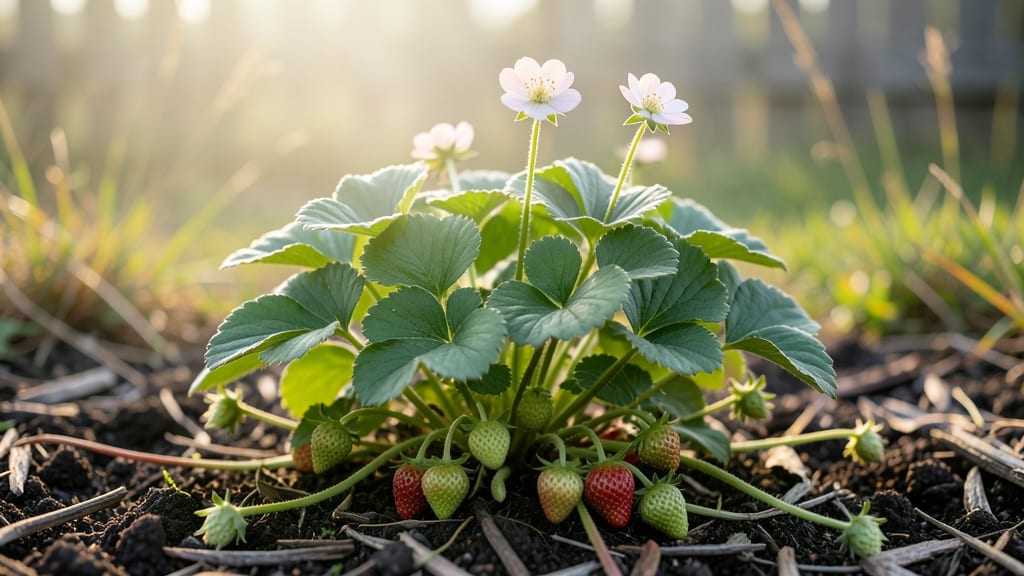
Strawberries take about 4 to 6 weeks to grow after flowering, turning those delicate blooms into juicy, ripe fruit 🍓.
Watching strawberry flowers bloom is exciting—but how long until those sweet berries are ready to pick? The wait from flowering to harvest is shorter than you think, and understanding it can mean bigger yields and fewer missed opportunities.
Most varieties—especially June-bearing types—develop fruit in roughly 50 days, though day-neutral and everbearing types may ripen a little faster. Think of it like a countdown: once those white flowers open, you’ve got about 6 weeks until harvest if conditions are ideal.
In this guide, I’ll break down the exact timeline, what factors can speed up or slow down ripening, and how to tell when your strawberries are truly ready to pick—so you don’t miss a single juicy berry.

Strawberry growth stages after flowering: timeline from blooms to harvest
Once your strawberry plants bloom, the excitement builds—but how long until those juicy berries are ready? The journey from flower to harvest typically takes 4 to 6 weeks, though this can vary based on your climate, variety, and care.
Understanding this timeline helps you track progress and ensure you don’t miss the perfect picking moment.
After pollination, strawberries undergo rapid cell division and expansion. The first 7 to 10 days are critical for fruit set, where the tiny berries begin forming. During this phase, they’re highly vulnerable to environmental stress, so consistent care is key.
If conditions are ideal, you’ll notice the berries swelling noticeably within just 2 weeks.
| Stage | Days After Flowering | Key Development | Care Tips |
|---|---|---|---|
| Fruit Set | 7–10 | Tiny berries form; cells begin dividing | Ensure consistent watering and full sun |
| Rapid Growth | 14–21 | Berries swell; color begins changing | Add balanced fertilizer (10-10-10) and mulch to retain moisture |
| Color Development | 28–35 | Berries turn fully red/yellow/white (varies by type) | Monitor for pests and disease; avoid overwatering |
| Harvest Ready | 35–50 | Fully colored, plump, and slightly soft | Pick in the morning for best flavor and firmness |
The first 2 weeks after flowering are all about establishing the berry’s foundation. During this time, the plant directs energy into cell division, which determines the final size of your strawberries.
June-bearing varieties, like Jewel or Chandler, tend to ripen faster (30–40 days) compared to everbearing types, which may take up to 50–60 days.
By day 21, you’ll notice the berries growing rapidly in size. This is when they start developing their signature color—red for most varieties, but also yellow or white for Albion or Pineberry.
The shift from green to their mature hue is a clear sign they’re nearing harvest. If your berries stay pale or greenish, it could indicate nutrient deficiency or insufficient sunlight.
Around day 28, strawberries enter their final growth spurt, focusing on sugar development and softening. This is when they become most vulnerable to birds and pests, so consider using row covers or netting if needed.
The ideal temperature for ripening is between 65°F and 80°F—hotter or cooler conditions can slow down the process.
When berries reach full color and are plump but slightly soft to the touch, they’re ready to pick. June-bearing varieties often ripen within 35–40 days, while everbearing types may take closer to 50 days.
If you’re growing day-neutral varieties, like Seascape, expect a more extended harvest window with berries ripening over several weeks.
One common mistake is assuming all berries ripen at the same time. In reality, strawberries on the same plant can mature 5–7 days apart. To maximize your harvest, pick berries as soon as they’re ripe—this encourages the plant to produce more flowers and fruit.
Overripe strawberries can attract pests and spread disease, so don’t let them linger on the vine.
If your strawberries aren’t ripening on schedule, check for pollination issues. Strawberries are self-pollinating, but wind or bee activity can help. Gently shake the plants on calm days or hand-pollinate with a small brush if you notice small, undeveloped berries. Proper pollination ensures faster and more uniform ripening.
Understanding this timeline helps you plan ahead—whether you’re preparing for a large harvest or troubleshooting delays. With the right care, you’ll go from those first blooms to a basket of ripe strawberries in just a few short weeks. Happy harvesting! 🍓
Factors that speed up or slow down strawberry ripening after flowering
After strawberry flowers appear, the 30–50 days until harvest can feel like an eternity—but you can shorten or extend this timeline with the right care. The key lies in understanding how water, nutrients, pollination, and climate interact to either rush or stall your berries.
Let’s break down the critical factors and how to optimize them for faster, sweeter strawberries.
One of the biggest speed boosters is consistent watering. Strawberries need 1–1.5 inches of water weekly, especially during fruit development. Too little water slows growth, while overwatering can cause blossom end rot or rot. The goal is steady moisture—think of it like a well-hydrated sponge for your plants.
Soil nutrients also play a starring role. A balanced fertilizer (10-10-10) applied every 4–6 weeks provides the perfect mix of nitrogen, phosphorus, and potassium. Phosphorus, in particular, is crucial for fruit development. Skip the heavy feeding, though—too much nitrogen can lead to lush leaves but fewer berries.
Pollination is another game-changer. Strawberries are self-pollinating, but bees and gentle breezes help speed up the process. If you’re growing in containers or greenhouses, hand-pollinate with a soft paintbrush to ensure every flower becomes a berry. This can cut 2–3 weeks off your harvest time.
✅ Speed Up Ripening
- Water deeply 2–3x/week (1–1.5 inches)
- Use balanced fertilizer (10-10-10) every 4–6 weeks
- Hand-pollinate flowers with a paintbrush
- Mulch with straw to retain moisture
- Place in full sun (6+ hours daily)
❌ Slow Down Ripening
- Underwatering causes stress and stunted growth
- Over-fertilizing with nitrogen (too many leaves, few berries)
- Poor pollination (no bees, closed flowers)
- Shade or partial sun (slows sugar development)
- Extreme heat/wind (damages flowers or fruit)
Climate conditions can make or break your strawberry timeline. Ideal temperatures for ripening are between 60–80°F. Heatwaves above 90°F can cause sunburn or blossom drop, while cold snaps below 50°F slow metabolism. If you’re in a hot climate, provide afternoon shade to protect developing berries.
Finally, pruning and thinning can work wonders. Remove excess runners to redirect energy to fruit production, and thin crowded berries to 3–4 per stem. This ensures each berry gets the nutrients it needs to ripen faster and taste sweeter.
By mastering these factors, you’ll turn those 30–50 days into a predictable, rewarding timeline—with juicy strawberries ready to pick in record time. 🍓