
How To
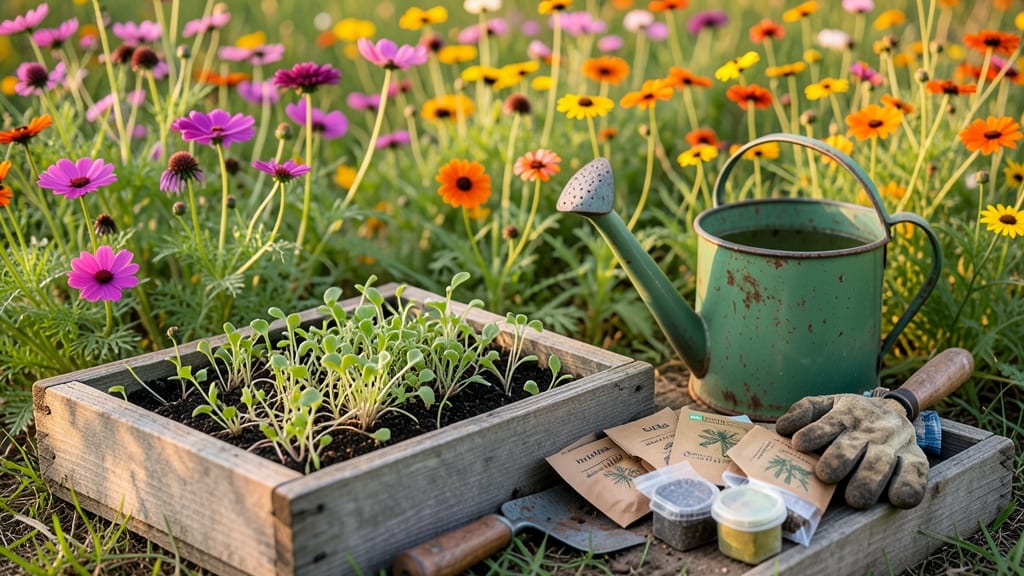
Wildflower seeds take anywhere from 2 weeks to 3 months to grow into vibrant blooms 🌼, depending on the variety and conditions you provide.
Picture this: you’ve scattered your seeds in early spring, watered them gently, and now you’re waiting—when will those first delicate petals peek through the soil? The answer isn’t one-size-fits-all, but knowing the right timelines can help you plan for a garden bursting with color.
Fast-growing wildflowers like cosmos or bachelor’s buttons can surprise you with blooms in as little as 4–6 weeks, while slower varieties like coneflowers might take closer to 3 months. Soil temperature, sunlight, and even your watering habits play a huge role in speeding up—or delaying—that magical moment.
In this guide, I’ll break down the exact growth stages, share tips to encourage faster blooms, and highlight the fastest wildflowers for impatient gardeners. Ready to turn your patch of earth into a pollinator paradise?

Wildflower seed growth timeline: fastest varieties and germination stages
If you’ve ever scattered wildflower seeds hoping for instant color, you know the wait can feel endless. Some varieties burst into bloom in just a few weeks, while others take months to show their beauty. The key lies in understanding each wildflower’s germination stages and soil temperature triggers.
For example, cosmos and bachelor’s buttons are speed demons, while coneflowers and black-eyed Susans play the long game. Let’s dive into the exact timelines so you can set realistic expectations—and plan your garden for maximum impact.
Wildflower seeds typically follow a predictable growth cycle: germination (5–30 days), sprouting (14–45 days), and flowering (30–120 days). The fastest bloomers, like sweet alyssum and larkspur, can deliver color in as little as 4–6 weeks, while slower growers like bee balm may take 100+ days.
Soil warmth is the biggest accelerator—most seeds need temperatures between 60°F–80°F to sprout quickly. Planting in spring or early fall gives you the best shot at speedy results.
Here’s a quick breakdown of what to expect at each stage, so you can track progress like a pro:
The fastest wildflowers like sweet alyssum and cosmos are perfect for impatient gardeners. These varieties germinate in under 2 weeks and can bloom in as little as 30 days, making them ideal for filling gaps in borders or brightening containers.
Their secret? Thin seed coats that absorb moisture quickly and shallow roots that establish fast. For best results, sow them in well-draining soil with full sun exposure—these conditions mimic their natural habitats and speed up growth.
On the slower end, perennial wildflowers like coneflowers and black-eyed Susans take longer because they invest energy in building strong root systems for future seasons. These beauties often require 3–4 months to flower but reward you with years of blooms.
If you’re planting these in early spring, don’t be discouraged by the wait—think of it as an investment in a low-maintenance, long-lasting garden. A light spring fertilizer can give them a gentle nudge toward earlier flowering.
One of the biggest myths about wildflower growth is that they’re all slow to establish. In reality, annual wildflowers like larkspur and poppies are designed to grow and bloom quickly, often completing their life cycle in a single season.
To maximize their speed, avoid overwatering—these plants thrive in drought-like conditions once established. A light watering every 5–7 days during germination is all they need, followed by minimal water afterward. Overwatering can lead to rot or fungal diseases, which will stall their growth entirely.
Timing your planting is another critical factor. For spring-blooming varieties, sow seeds in late winter or early spring when soil temperatures hover around 60°F. If you’re aiming for fall color, plant in late summer so seeds have time to germinate before cooler weather sets in.
Pro tip: Use a soil thermometer to monitor temperatures—most wildflower seeds need consistent warmth to break dormancy. If
Factors that speed up or delay wildflower blooms (and how to control them)
Wildflower blooms don’t appear on a strict schedule—they’re influenced by a mix of environmental factors and care choices you control. Some varieties like cosmos or lobelia can burst into color in as little as 4–6 weeks, while others like black-eyed Susans may take 3–4 months.
Understanding these variables lets you accelerate blooms or troubleshoot delays.
Sunlight is the biggest growth accelerator for wildflowers. Most varieties thrive with 6+ hours of full sun daily, but partial shade can stretch out blooming by weeks.
For example, shasta daisies may bloom 2 weeks later in dappled light compared to full sun. Test your garden’s sunlight with a sunlight map before planting.
Soil type and preparation play a hidden but critical role. Compacted or clay-heavy soil slows germination and root growth, while loamy, well-draining soil speeds up sprouting. Try scarification—lightly scratching seed coats with sandpaper—to break dormancy in tough seeds like coneflowers.
For clay soil, mix in compost or perlite to improve aeration.
How to Control Wildflower Bloom Timing
- 1. Sunlight: Full sun (6+ hours) speeds blooms by 30% vs. partial shade. Use reflective surfaces (white walls) to boost light in shady spots. 🌞
- 2. Watering: Deep watering 2x/week (vs. daily light misting) prevents stress. Overwatering delays blooms by up to 4 weeks due to fungal risks. 💧
- 3. Soil Prep: Scarify seeds (nick with sandpaper) for faster germination. Add compost to improve nutrient uptake. 🌱
- 4. Stratification: Cold-moist treatment (e.g., fridge for 4 weeks) mimics winter, breaking dormancy in poppies or lupines. ✂️
- 5. Companion Planting: Pair with clover or alfalfa to fix nitrogen, reducing fertilizer waits. Avoid competing grasses. 🌿
- 6. Seasonal Timing: Plant spring-bloomers in early fall (6–8 weeks before last frost) for earlier blooms next year. 🌡️
Watering habits often surprise gardeners—overwatering can delay blooms just as much as underwatering. Wildflowers like lavender or yarrow are drought-tolerant once established, but seedlings need consistent moisture (about 1/4 inch per week). Use a moisture meter to avoid guesswork, especially in sandy soil, which dries faster.
Seasonal planting windows matter more than most gardeners realize. Fall planting (6–8 weeks before your average last frost) gives seeds time to stratify naturally and sprout earlier in spring.
For example, bluebonnets planted in October often bloom 2–3 weeks earlier than spring-planted seeds. Check your USDA hardiness zone for local timing.
Finally, companion planting can cut weeks off your bloom timeline. Pair fast-growing annuals like cosmos with perennials like coneflowers—the annuals provide early color while perennials establish roots. Avoid planting near aggressive grasses, which compete for nutrients and light, pushing back blooms by up to 6 weeks. 🌻