
Planting
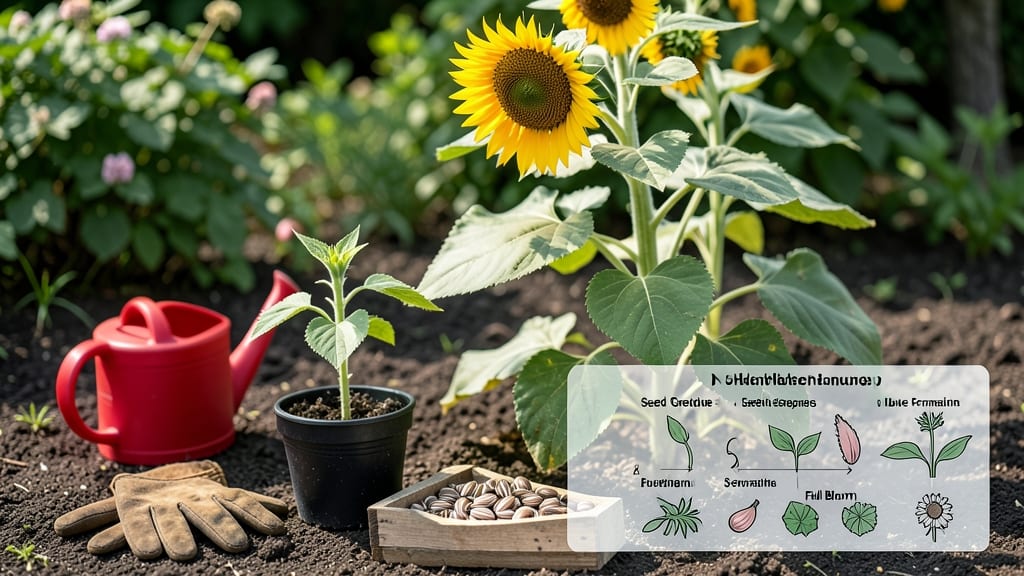
Growing a sunflower from seed takes about 7–10 days to sprout and up to 120 days to reach full height, depending on variety and conditions.
If you’ve ever planted sunflower seeds and waited anxiously for the first green shoot to appear, you know timing can feel like forever.
But with the right soil warmth, moisture, and sunlight, those tiny seeds can burst into life faster than you think—sometimes in as little as 5 days under ideal conditions.
Once sprouted, sunflowers grow at a fast pace, shooting up 2–3 inches per day in their early weeks. By summer’s end, they’ll tower over your garden, making every stage of their journey worth watching.
Below, I’ll break down the exact timeline—from germination to flowering—and share pro tips to help your 🌻 sunflowers grow as quickly and beautifully as possible.
Sunflower germination timeline: what to expect in the first 2 weeks
Sunflower seeds are fast growers, but their first two weeks are where the magic happens—or sometimes the mystery. Most seeds begin sprouting within 7-14 days, but this window can shift based on soil conditions, temperature, and even seed freshness.
Understanding each stage helps you troubleshoot delays and create the perfect environment for those first cotyledons to break through the soil.
From the moment you plant, your sunflower seeds are working hard to send roots downward while pushing a tiny shoot upward. The key to success? Keeping the soil consistently moist but not soggy and maintaining temperatures between 70-90°F.
If your seeds are taking longer than expected, don’t panic—we’ll break down exactly what’s happening day by day.
Seeds absorb moisture, swelling as they prepare to germinate. No visible changes yet—patience is key!
A tiny radicle (root) breaks through the seed coat. Check soil moisture—dry conditions can stall this stage.
The hypocotyl (stem) pushes upward. You’ll spot cotyledons (seed leaves) within 2-3 days of this stage.
True leaves (not cotyledons) appear, signaling photosynthesis has begun. Seedlings are now self-sustaining!
If your seeds haven’t sprouted by day 14, don’t assume they’re a loss. Sunflowers can germinate sporadically—some seeds may take up to 21 days in cooler soils (60°F or below).
To speed things up, try soaking seeds overnight before planting or using a seedling heat mat to maintain warmth.
One common mistake is overwatering, which can cause seeds to rot before germinating. Instead, aim for consistent moisture—think of a damp sponge, not a dripping faucet. A simple trick? Use a spray bottle to mist the soil lightly every 2-3 days until sprouts appear.
Pro tip: Plant a few extra seeds—sunflowers are easy to thin once they’re 2-3 inches tall. This gives you a backup if some seeds don’t make it past the germination stage. Plus, it’s a great way to ensure you’ll have those cheerful yellow blooms by summer!
Pay attention to the soil surface for tiny cracks or mounds—these are often the first signs of life. Once you spot a sprout, keep the area lightly shaded (like under a sheer cloth) to protect delicate seedlings from intense sun until they’re a few inches tall.
Remember, every sunflower starts as a seed, and the first two weeks are just the beginning of an incredible journey. With the right conditions, your seedlings will soon be reaching for the sky—literally! By week 3, you’ll see them shooting up 1-2 inches per day in ideal conditions.
🌱
Full sunflower growth timeline: from sprout to flowering in 80-120 days
Sunflowers are nature’s fast-growing superstars, shooting from 1-inch seeds to 10-foot giants in just a few months. Understanding their growth stages helps you provide the right care at the right time. From the first cotyledon leaves to a fully bloomed sunflower head, each phase brings its own excitement—and challenges.
Let’s break down what to expect week by week, so you can nurture your plants to their full potential.
The journey from seed to flower typically takes 80-120 days, depending on the variety and growing conditions. Dwarf varieties may flower in as little as 50 days, while giant varieties can take up to 140 days.
With the right balance of sunlight, water, and nutrients, you’ll see dramatic progress every few weeks. Here’s what to watch for at each stage.
In the first 2-4 weeks, your sunflower will focus on establishing a strong root system and cotyledon leaves. Healthy seedlings should have dark green leaves and a sturdy stem. If you notice yellowing leaves or stunted growth, it could signal overwatering or poor drainage.
At this stage, keep the soil consistently moist but not soggy, and ensure they receive at least 6 hours of sunlight daily.
By weeks 4-6, your sunflower will enter its vegetative growth phase, shooting up rapidly. This is when you’ll see the most dramatic height increases—some varieties can grow 2-3 feet per week!
Monitor for pests like aphids or powdery mildew, which thrive on young, tender growth. Stake taller varieties early to prevent wind damage or stem breakage.
When your sunflower reaches 4-6 feet tall, you’ll start to see a bud forming at the top. This is an exciting sign that flowering is just around the corner! Reduce nitrogen-rich fertilizers at this stage, as they can delay blooming.
Instead, switch to a phosphorus-heavy fertilizer to encourage flower development. Water at the base of the plant to keep the flower bud dry and prevent rot.
Once the flower blooms, your sunflower will be a beacon for bees and butterflies. Full blooms typically last 7-10 days, during which time the plant will begin producing seeds. After the petals drop, the seed head will dry out and turn brown.
This is your cue to harvest seeds for future planting or enjoy them as a snack! If you’re growing sunflowers for cut flowers, harvest them just as the petals begin to open for the longest vase life.
To keep your sunflowers thriving until maturity, prioritize consistent watering and full sun exposure. Avoid over-fertilizing, as this can lead to excessive foliage at the expense of flower production.
With the right care, you’ll be rewarded with a stunning sunflower display that brightens your garden from summer to fall. 🌻