
Companion Plants
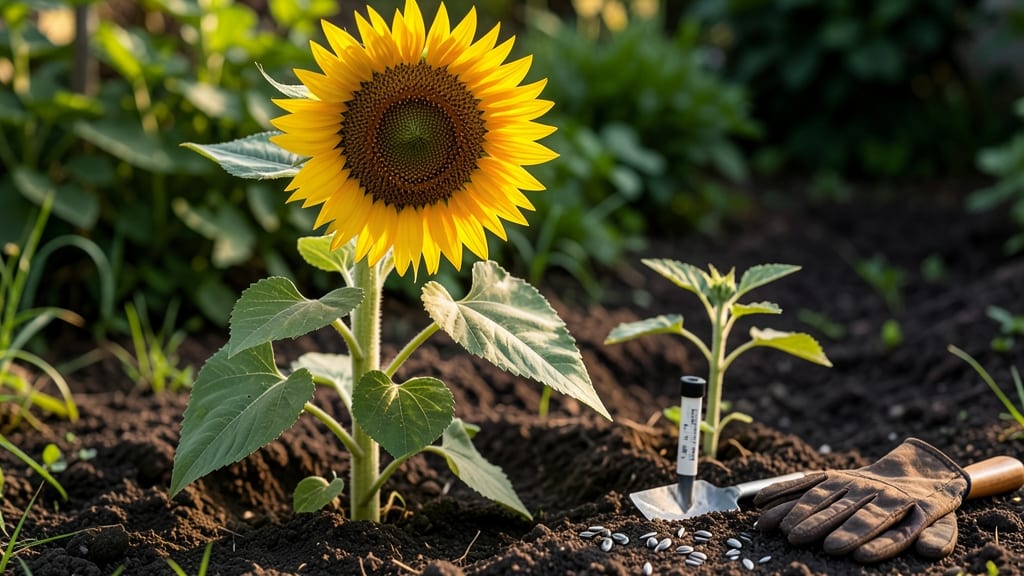
To plant sunflower seeds in Maryland, aim for mid-April to mid-June when the soil warms to 55–65°F—this timing avoids frost damage and ensures strong stems and bold blooms 🌻.
Maryland’s warm summers and long growing season create the perfect conditions for sunflowers—but timing is everything to avoid frost damage or stunted growth. Plant too early, and you’ll waste seeds; too late, and your blooms may never reach their full glory.
In USDA zones 6b-7a, sunflowers thrive as annuals, soaking up 6+ hours of sun daily. The key is getting them in the ground after your last frost (around April 15) but before summer heat sets in.
Below, I’ll break down the exact months for your region, soil prep tips, and how to adjust for Maryland’s microclimates—so you can grow sunflowers that tower over your fence by late August.
Best months to plant sunflower seeds in Maryland: frost dates and soil temperature guide
Maryland’s sunflower growing season stretches from mid-April to October, but the sweet spot for planting seeds is when soil temperatures consistently reach 55–65°F. This typically aligns with late April to mid-June across most of the state, giving your sunflowers 100+ frost-free days to mature.
In USDA Zones 6b-7a, timing varies slightly between Baltimore’s coastal areas and Western Maryland’s inland regions, where frost lingers longer.
Sunflowers thrive in Maryland’s long summer days, but planting too early risks frost damage or slow germination in cold soil. Conversely, late plantings may produce smaller blooms or fail to mature before first frost (mid-October).
The key is balancing soil warmth with the 120-day growth window most varieties need to reach harvest.
🌱
| Region | Last Frost Date | Ideal Planting Window | Soil Temp (°F) | Notes |
|---|---|---|---|---|
| Western MD (Frederick, Hagerstown) | April 10–20 | Late April–May 15 | 55–65°F | Cooler nights; use black plastic mulch to warm soil |
| Central MD (Baltimore, Annapolis) | April 15–25 | Mid-April–June 1 | 55–65°F | Moderate humidity; watch for powdery mildew |
| Eastern MD (Ocean City, Salisbury) | April 20–May 1 | Late April–June 10 | 58–65°F | Warmer coastal soils; extend season with late July sowings |
| All Regions (Successive Planting) | N/A | July 1–15 (for fall blooms) | 60–70°F | Choose dwarf varieties (e.g., 'Teddy Bear') for shorter days |
For direct sowing, which is ideal for sunflowers, wait until the soil temperature at 2 inches deep reaches 55°F—use a soil thermometer to confirm. In Western Maryland, this often means waiting until mid-May, while coastal areas can start as early as late April.
If you’re transplanting seedlings (less common for sunflowers), harden them off for 7–10 days before setting them out after the last frost.
Sunflowers are annuals in Maryland, meaning they complete their life cycle in one season. This makes them perfect for succession planting: Sow a second batch in early July to enjoy fall blooms before frost.
Just select shorter varieties like 'Moulin Rouge' (3–4 feet tall) to avoid flopping in late-season winds.
🌿
One common mistake is assuming all sunflowers have the same timeline. Giant varieties (e.g., 'Russian Giant') need 120–140 days to mature, while dwarf types (e.g., 'Sunspot') mature in 50–60 days.
Plan accordingly: Plant tall varieties in late April–May and dwarf types in June–July for a continuous display. Always check the seed packet for days-to-maturity guidelines.
If you’re in Zone 6b (e.g., Frederick), consider using row covers or black plastic mulch to warm the soil and extend your planting window by 1–2 weeks.
This is especially helpful if you’re eager to grow tall varieties like 'Mammoth' or 'Autumn Beauty,' which need every warm day to reach their full 10–14-foot height.
🪴
Pro tip: Test your soil pH before planting—sunflowers prefer 6.0–7.5. Maryland’s native soil is often slightly acidic, so amend with lime if needed. Add compost to improve drainage, as sunflowers hate sog
How to adjust sunflower planting for Maryland’s microclimates: coastal vs. inland tips
Maryland’s coastal regions like Annapolis and Cape St. Claire experience higher humidity and cooler summers compared to inland areas like Frederick or Hagerstown. These differences mean your sunflower planting strategy should shift based on where you garden.
Coastal areas benefit from earlier spring planting, while inland zones thrive with late-summer second crops—both with the right varieties.
In coastal Maryland, the moderate temperatures and consistent moisture allow sunflowers to germinate faster, but fungal risks like powdery mildew are higher. Inland areas, however, face hotter, drier conditions that demand drought-tolerant varieties and mulching to retain soil moisture. Let’s break down the key adjustments for each microclimate.
Coastal Maryland (Annapolis, Eastern Shore) vs. Inland Maryland (Frederick, Western MD)
✅ Coastal Maryland
- Planting Window: Late April–May
- Best Varieties: 'Autumn Beauty' (tolerates humidity)
- Soil Prep: Add compost to improve drainage
- Watering: Morning only to prevent fungal growth
✅ Inland Maryland
- Planting Window: Mid-May–June (or late July for second crop)
- Best Varieties: 'Moulin Rouge' (heat-tolerant)
- Soil Prep: Mulch heavily to retain moisture
- Watering: Deep weekly during droughts
⚠️ Coastal Challenges
- Fungal Risks: Powdery mildew from humidity
- Slower Drying: Poor drainage in clay soils
- Shorter Season: Cooler nights delay maturity
⚠️ Inland Challenges
- Heat Stress: Wilting in 90°F+ temps
- Drought Risk: Rapid soil drying
- Late Blooms: Frost threat in October
For coastal gardeners, focus on early-season varieties like 'Teddy Bear' (dwarf, 3–4 feet tall), which matures quickly and avoids late-summer humidity. These thrive in USDA Zone 7a and handle salty air better than taller types.
In contrast, inland zones should prioritize heat-resistant varieties like 'Russian Giant' (12+ feet tall) for second crops planted in late July.
Inland areas also benefit from succession planting. After harvesting your first crop in September, sow short-day varieties like 'ProCut' (cut-flower hybrid) to extend your season. These varieties bloom faster in shorter daylight and tolerate drier soils.
Coastal gardeners, however, should avoid late plantings—they risk fungal diseases from fall rains and cooler nights.
Regardless of location, stake or cage your sunflowers early to prevent wind damage. Coastal plants need sturdy supports due to salty winds, while inland varieties may topple in dry, compacted soil.
Use organic mulch (straw or wood chips) to regulate soil temperature and moisture—critical for both microclimates. With these adjustments, you’ll maximize bloom size and seed production across Maryland’s diverse growing conditions.
Pro tip: Save seeds from your healthiest sunflowers for next year! Coastal varieties may produce smaller seeds due to humidity, while inland seeds stay plump and viable longer in dry heat. Store them in a cool, dry place until spring planting. 🌻