
Propagation
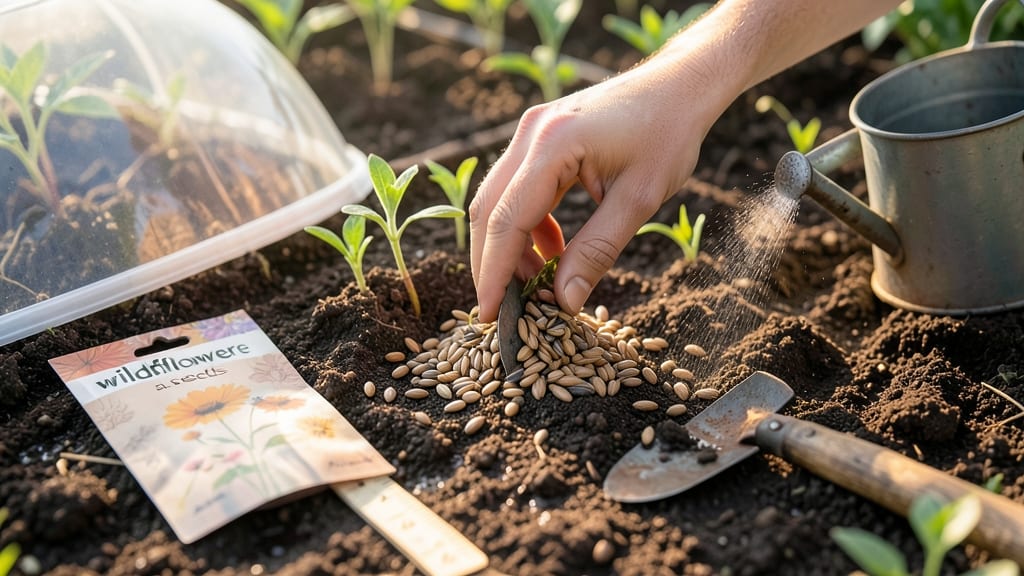
Wildflowers to germinate can take anywhere from 3 days to 6 weeks, depending on the species and conditions—so patience is key, but not always the answer.
Wondering why your wildflower seeds seem to be taking forever to sprout? Germination time can vary wildly—but knowing the right factors can help you speed up the process and enjoy a vibrant meadow in no time.
Some varieties, like cosmos and clover, pop up in as little as 5 days with the right moisture and warmth, while others, like poppies or lupines, may take 3 to 4 weeks to break through the soil.
Below, I’ll break down the three critical factors that determine how fast (or slow) your seeds sprout, plus pro tips to troubleshoot delays and get those 🌼 blooms growing faster.
Wildflower germination time: what to expect by seed type
If you've ever scattered wildflower seeds and waited patiently for sprouts that never came, you're not alone. Germination times for wildflowers can vary dramatically depending on the seed type and environmental conditions.
Some varieties pop up in just a few days, while others may take weeks—or even months—to break through the soil. Understanding these differences helps you set realistic expectations and troubleshoot delays.
Annual wildflowers like cosmos and clover often germinate quickly, sometimes within 5-10 days, because they evolved to spread rapidly in a single growing season. Perennials, however, like lupines or black-eyed Susans, may take 2-4 weeks or longer, as they prioritize establishing strong roots for long-term survival.
Knowing these timelines helps you avoid prematurely replanting or overwatering.
Here’s a quick breakdown of what to expect based on seed type, along with the key factors that influence germination speed:
Environmental factors like soil temperature, moisture levels, and even light exposure play a huge role in germination speed. For example, cosmos seeds may sprout in just 7 days in warm, sunny conditions, while lupines could take up to 6 weeks if the soil is too cold or dry.
Always check the seed packet for specific recommendations, as some varieties require scarification (scratching the seed coat) or stratification (exposing seeds to cold).
If you’re planting in fall, many wildflowers benefit from natural cold stratification over winter, which can actually speed up germination the following spring. Conversely, planting in summer heat might delay sprouting until temperatures drop.
A simple trick? Use a seedling heat mat (set to 70–75°F) to jumpstart germination during cooler months.
Patience is key, but don’t wait indefinitely. If 4–6 weeks pass without sprouts and conditions are ideal, the seeds may be non-viable or too deeply buried. Gently rake the soil to check for seeds—sometimes they’re just waiting for the right push.
For stubborn seeds like poppies, a light misting with hydrogen peroxide (3%) can stimulate faster germination by breaking down seed coatings.
Once you see those first tiny green shoots, resist the urge to transplant them. Wildflowers establish shallow roots early on, and moving them too soon can stunt growth.
Instead, keep the soil consistently moist (not soggy) and watch as your meadow begins to take shape. With the right expectations and a little patience, you’ll be
3 Critical factors that speed up or delay wildflower germination
Wildflower seeds can feel like a mystery—one day you plant them, and the next, you're still waiting for those first green shoots. The truth is, germination speed depends on three key factors you can control: moisture levels, soil temperature, and seed depth.
Mastering these will help you go from bare soil to blooming meadow in record time. Let’s break down how each factor plays a role and what you can do to optimize them.
First, let’s talk moisture. Wildflower seeds need consistent moisture to activate their enzymes and begin growing, but too much water can suffocate them. Aim for light, frequent watering—just enough to keep the soil damp but not soggy.
A gentle misting or light sprinkle every 2-3 days usually works best. If the soil feels dry an inch below the surface, it’s time to water again. Overwatering is a common mistake that can lead to mold or seed rot, so always check before adding more water.
Now, let’s dive into soil temperature, which is often overlooked but just as critical. Most wildflower seeds germinate best when soil temperatures hover between 60°F and 75°F.
If your soil is too cold, seeds may stay dormant for weeks, while temperatures above 80°F can cause them to dry out or even cook. Use a soil thermometer to monitor conditions, or plant in spring or fall when temperatures are more moderate.
In hot climates, consider sowing in early morning or late evening to avoid peak heat.
🌱 Numbered Highlights: How Long for Wildflowers to Germinate?
- Fastest Germinators (5-14 days): Cosmos, clover, and sweet alyssum thrive with consistent moisture and 65-75°F soil. Keep soil lightly damp and avoid burying seeds deeper than 1/8 inch.
- Moderate Germinators (14-30 days): Poppies and black-eyed Susans need warmer soil (70-75°F) and direct sunlight. Water deeply but infrequently to prevent rot.
- Slow Starters (30-60+ days): Lupines and milkweed often require stratification (cold treatment) or scarification (scratching seed coats). Plant in fall for natural cold exposure.
- Troubleshooting Tip: If seeds aren’t sprouting after 6 weeks, check for dormancy requirements or poor seed viability. Try pressing seeds into the soil lightly for better contact.
Next up is seed depth, which is simpler than you might think. Most wildflower seeds don’t need to be buried—they actually require light to germinate! A general rule is to scatter seeds lightly on the soil surface and press them in just enough to ensure contact.
For larger seeds like sunflowers, you can plant them 1/4 inch deep, but for tiny seeds like cosmos, a light dusting of soil is all they need. Burying seeds too deeply can starve them of the light they need to break through the soil.
If your wildflower seeds still aren’t sprouting after 4-6 weeks, don’t panic—there are a few troubleshooting steps to try. First, check if your seeds need scarification (a gentle scratch to break the seed coat) or stratification (a cold period to mimic winter).
Many wildflowers, like lupines, benefit from these treatments. You can also try soaking seeds overnight in warm water to soften the outer layer. Just be sure to plant them immediately after soaking to avoid overhydration.
Finally, remember that patience is key. Some wildflowers, especially perennials, take longer to germinate because they’re adapted to survive harsh conditions. If you’ve optimized moisture, temperature, and depth but still see slow results, consider testing your seed viability or trying a different variety.
With the right conditions, you’ll soon see those first delicate sprouts pushing through the soil, and before you know it, your garden will be a riot of color!
🌿