
Plants
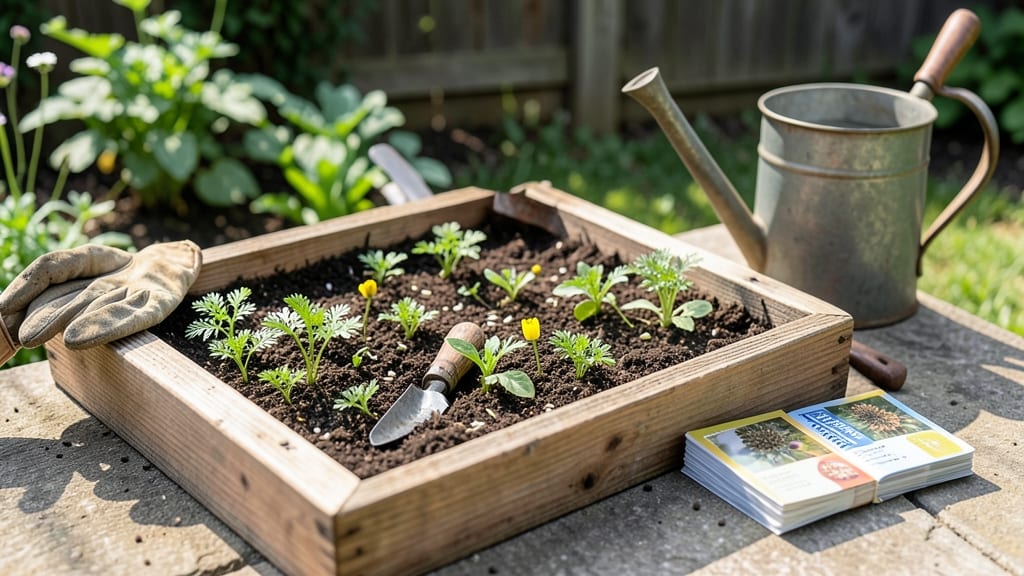
Plant wildflower seeds in Zone 8 during fall or early spring for the best results, timing that ensures strong root growth before summer heat.
If you’ve ever watched a patch of wildflowers 🌼 take over a sunny spot only to fade mid-season, you know how timing matters. Too early, and frost zaps tender sprouts; too late, and summer drought stifles them before they bloom.
The secret is planting when soil temps are cool but frost-free—either in October or February.
Fall planting lets seeds settle into the soil before winter, while spring gives them a head start before the heat. Both methods work, but each has its own advantages depending on your local microclimate and the types of wildflowers you’re growing.
Below, I’ll break down the exact months to plant, how to prep your soil for success, and why some wildflowers thrive in fall while others wait for spring. Ready to turn your garden into a pollinator paradise?
Optimal planting windows for wildflower seeds in Zone 8 by season
Timing your wildflower seeds correctly in Zone 8 can mean the difference between a lush pollinator paradise and a failed experiment. The mild winters and hot summers of this zone create unique opportunities—and challenges—for planting.
Most wildflowers thrive when sown in fall or early spring, but the exact window depends on whether you’re planting annuals or perennials.
Zone 8 spans diverse microclimates, from coastal areas with cooler temperatures to inland regions with warmer, drier conditions. For example, San Diego (Zone 8a) has a longer frost-free season than Atlanta (Zone 8b).
Always check your last frost date (typically mid-January to mid-February) and first frost date (typically mid-November to mid-December) to adjust timing accordingly.
| Season | Best Planting Months | Why This Timing Works | Risks to Avoid |
|---|---|---|---|
| Fall | October–November | Cooler soil temps (60–70°F) encourage germination before winter dormancy. Seeds establish roots without summer heat stress. | Planting too late (after first frost) may delay growth; too early (before soil cools) risks germination failure. |
| Early Spring | February–March | Warmer soil (55–65°F) kickstarts growth; avoids summer drought stress for young plants. | Planting too early (before last frost) risks frost damage; too late (after April) may trigger summer dormancy. |
| Summer | Avoid (except shade-tolerant perennials) | Only heat-loving annuals (e.g., Mexican sunflower) may germinate, but success is low due to drought stress. | High soil temps (> 85°F) prevent germination; seeds dry out quickly. |
| Winter | December–January | Some winter annuals (e.g., lupine) thrive, but most wildflowers need warmer soil. | Frost or waterlogged soil can kill seeds; germination is unreliable. |
For annual wildflowers, like cosmos or zinnia, fall planting is ideal because seeds germinate in cool weather and bloom by spring. In contrast, perennial wildflowers, such as coneflower or black-eyed Susan, benefit from early spring sowing to establish deep roots before summer heat.
In coastal Zone 8 (e.g., Los Angeles), you can extend fall planting into December thanks to milder winters. However, in inland areas (e.g., Phoenix), aim to finish by November to avoid winter rains washing seeds away.
Always prepare soil by removing weeds and loosening the top 1–2 inches for optimal seed-to-soil contact.
If you’re planting a mix of annuals and perennials, consider a two-step approach: sow perennials in fall for early root growth and annuals in spring for summer blooms.
This ensures year-round color and supports pollinators continuously. For example, fall-sown blanket flower will bloom in spring, while spring-sown cosmos will shine in summer.
One common mistake is assuming all wildflowers thrive in full sun. While most do, shade-tolerant varieties like columbine or foxglove should be planted in partial shade during summer months. Adjust your planting window for these species to early spring or late fall to avoid midday heat stress.
To maximize success, stratify seeds (simulate winter conditions) for perennials by mixing them with sand and refrigerating for 4–6 weeks before planting. This mimics natural cold stratification and breaks dormancy. For annuals, a simple light raking after sowing ensures seeds stay in contact with moist soil.
Remember, Zone 8’s microclimates can vary dramatically even within a 50-mile radius. If you’re unsure about your specific conditions, observe your garden’s sun exposure and moisture patterns for a few weeks before planting. A small test patch can help you fine-tune timing for your unique location.
With the right planting window, your Zone 8 wildflower meadow will reward you with vibrant blooms, thriving pollinators, and minimal maintenance. Start with fall sowing for perennials and spring sowing for annuals, and watch your garden transform into a low-maintenance oasis
How to adjust planting timing for specific wildflower types in Zone 8
Not all wildflowers thrive on the same schedule in Zone 8. Sun-loving varieties like black-eyed Susans need different timing than shade-tolerant columbine or drought-resistant blanket flowers.
Understanding these nuances ensures your meadow blooms reliably. I’ll break down the ideal planting windows based on each type’s unique needs, including soil temperature triggers and moisture requirements.
For sun-loving wildflowers, such as black-eyed Susans and coneflowers, aim to sow seeds in late winter to early spring (February–March). These plants thrive in full sun and benefit from cooler soil temperatures, which reduce stress during germination.
Wait until the soil warms to at least 55°F—use a soil thermometer to check. If planting in fall, opt for October to allow seeds to establish before winter.
Shade-tolerant varieties like columbine and foxglove prefer cooler, moister conditions. Plant these in early spring (February–March) or late fall (October–November). These wildflowers often struggle in hot, dry summers, so avoid planting them when daytime temperatures exceed 80°F.
A light layer of mulch helps retain moisture and keeps roots cool.
- 1
- 2
- 3
- 4
Drought-resistant species like blanket flowers and yarrow are more forgiving with timing but still need attention. Plant these in April–May, after the last frost date, to avoid soggy soil. These wildflowers thrive in poor soil and low moisture, making them perfect for xeric landscapes.
Water deeply once weekly for the first month to encourage root growth, then reduce to bi-weekly once established.
Use frost dates as your guide—planting too early risks frost damage, while waiting too long may delay blooms. In Zone 8, aim to sow seeds 4–6 weeks before the last frost (February–March) or 6–8 weeks before the first frost (October–November).
For shade-loving varieties, extend this window slightly to account for slower germination in cooler conditions.
Pro tip: Mix annual and perennial wildflowers for year-round color. Annuals like cosmos bloom quickly (60–90 days), while perennials like bee balm return every year. Adjust planting times accordingly—annuals can handle late spring sowing, while perennials need early fall to establish roots.
With these adjustments, your Zone 8 wildflower garden will burst with color from spring to fall, attracting pollinators and adding natural beauty. Start small, experiment with different types, and watch your meadow thrive! 🌼