
Planting
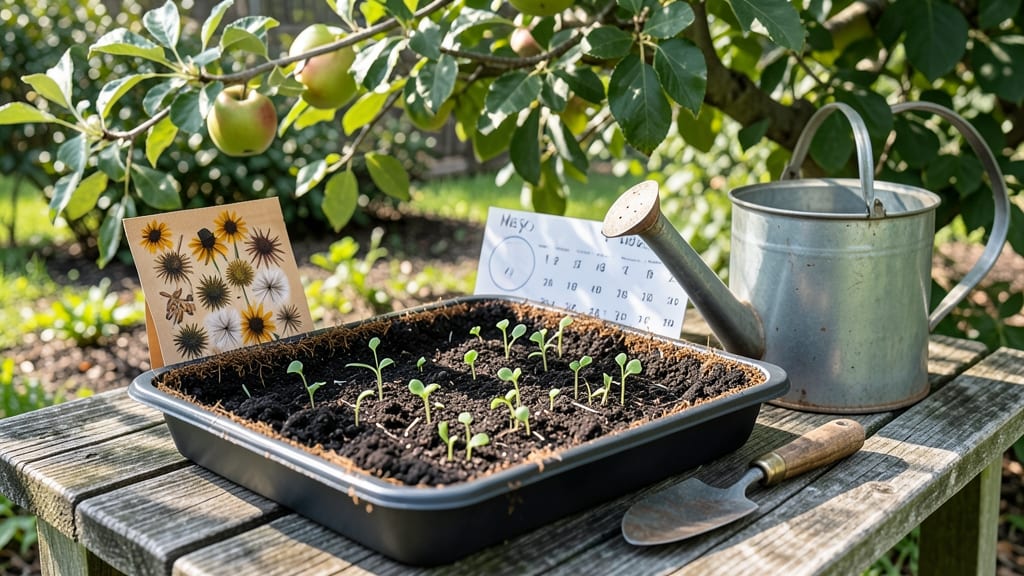
Sowing wildflower seeds in Zone 6 at the right time means vibrant blooms by summer instead of patchy, slow starts.
Picture this: you’ve cleared the soil, chosen your favorite 🌼 mixes, and the weather finally cooperates—only to watch seeds sprout weakly or disappear under frost. That’s what happens when you plant too early or too late in Zone 6’s 6a-6b climate.
Timing isn’t just about months—it’s about soil temperature, frost dates, and whether you’re planting annuals for quick color or perennials for years of blooms. Get it right, and your garden becomes a pollinator paradise in 60 days or less.
Here’s exactly when to sow wildflower seeds in Zone 6 for maximum impact, plus the prep and care tricks that make all the difference.
Best months to sow wildflower seeds in Zone 6 for year-round blooms
Zone 6 gardeners know timing is everything when it comes to wildflowers. The difference between sparse blooms and a vibrant meadow often boils down to when you sow seeds. In Zone 6, soil temperatures and frost risk create two ideal windows: early spring and late summer/fall.
Each offers unique advantages for annuals vs. perennials, and getting it wrong can mean waiting another year for color.
Spring planting (March–April) gives annuals a head start for summer blooms, while fall planting (August–September) lets seeds stratify naturally through winter, resulting in earlier spring growth.
The key is understanding your last frost date (typically April 15 in Zone 6) and first frost date (around October 15), as these dictate safe planting windows.
For annual wildflowers, spring sowing ensures immediate summer color, while perennial varieties benefit more from fall planting, as they establish deeper roots before winter. Native wildflowers often thrive with fall sowing because their seeds require cold stratification—a process that mimics natural winter conditions.
Here’s how early vs. late sowing impacts your wildflower density and bloom cycles:
Spring sowing in Zone 6 requires soil temperatures above 45°F to avoid seed rot. Use a soil thermometer to check—if temps dip below this, wait until mid-April or risk poor germination.
For fall planting, aim to sow 4–6 weeks before first frost (early September in most of Zone 6) to allow seeds to establish before winter.
Another critical factor is seed depth. Wildflower seeds are tiny—most need only 1/8 inch of soil coverage or less. Pressing them lightly into the soil with a rake or board ensures good seed-to-soil contact without burying them too deep. Over-deep planting can prevent germination entirely.
For maximum bloom density, consider a two-phase approach: sow half your seeds in early spring for summer color and the other half in late summer for next year’s blooms.
This extends your seasonal interest and ensures your garden never goes bare. Just be sure to water lightly but frequently (about 1/2 inch per week) until seeds germinate.
Zone 6’s microclimates can also play a role. Gardens in northern Zone 6 (e.g., 6a) may experience later last frosts, while southern Zone 6 (e.g., 6b) might have earlier frost dates. Adjust your timing by 1–2 weeks based on your local USDA frost maps.
Finally, don’t overlook post-sowing care. Once wildflowers are established (after 4–6 weeks), they’re drought-tolerant, but young seedlings need consistent moisture. Mulch lightly with straw or leaves to retain moisture and suppress weeds—just avoid piling mulch directly on seeds.
With the right timing, your Zone 6 garden can burst into color from spring to fall, attracting pollinators and reducing your maintenance workload. The secret? Plant in spring for summer blooms and fall for next year’s showstopper. 🌼
Zone 6 wildflower seed sowing calendar: month-by-month guide
Timing is everything when planting wildflower seeds in Zone 6. The difference between a sparse, weak display and a vibrant, pollinator-friendly meadow often comes down to sowing at the right time.
Northern Zone 6 (like Chicago or Buffalo) has cooler springs, while southern areas (like Atlanta or Nashville) can plant slightly earlier. Follow this month-by-month guide to maximize your success.
Native wildflowers like black-eyed Susans and purple coneflowers thrive when sown in early spring (March-April) or late summer (August-September). Non-native mixes, however, often need the warmer soil of late spring (May-June).
Each season offers unique advantages—spring gives seeds time to establish before summer heat, while fall planting avoids competition from summer weeds.
April is your critical window for spring planting. Test soil temperature—it should be at least 50°F for most wildflower seeds to germinate. Use a soil thermometer to avoid guessing.
In northern Zone 6, wait until after the last frost date (April 15), while southern areas can start as early as mid-March.
May is perfect for non-native mixes like cosmos or zinnia, which thrive in warmer soil. Scatter seeds thinly and press them into the soil—no burial needed for most wildflowers. Water gently to avoid displacing seeds, and keep the soil moist but not soggy for the first 4-6 weeks.
Once seeds sprout, reduce watering to once or twice weekly to encourage deep root growth. In July and August, wildflowers need minimal care—just occasional watering if your area experiences drought conditions. Deadhead spent blooms to prolong flowering and prevent self-seeding where you don’t want it.
As summer winds down, prepare for next year by aerating compacted soil in September. Add a 2-inch layer of compost to improve fertility. If you’re planting in October, choose cold-hardy species like blue flax or partridge pea, which can handle light frosts.
Mulch lightly to protect emerging seedlings from winter temperature swings.
Pro tip: Mark your Zone 6 frost dates (April 15 and October 15) on your calendar. These are your planting anchors—spring sowing should happen 2-4 weeks after the last frost, while fall planting should wrap up 6-8 weeks before the first frost.
With this timeline, you’ll enjoy continuous blooms from early summer to frost.