
Plants
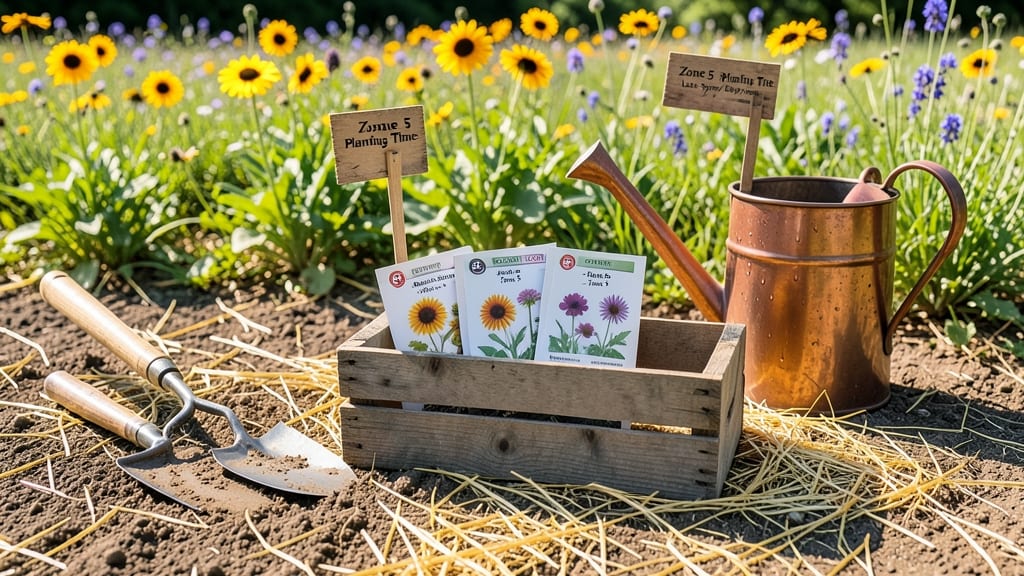
Planting wildflower seeds in Zone 5 at the right time ensures vibrant blooms and strong root growth 🌼 — aim for early spring or fall when soil temperatures are just right.
Timing is everything when it comes to growing wildflowers in Zone 5—plant too early, and they’ll rot; too late, and they’ll struggle to establish before frost. Get this right, and you’ll enjoy a vibrant, low-maintenance garden that thrives year after year.
Zone 5’s unpredictable climate means spring and fall are your best bets, with ideal windows in April–May or September–October. These months balance soil warmth and moisture, giving seeds the perfect start.
Below, I’ll break down the best planting strategies for your region, including soil prep, seed selection, and care tips to maximize success. Ready to transform your garden into a pollinator paradise?
Best planting windows for Zone 5 wildflowers: spring vs. fall timing
Wildflowers in Zone 5 thrive when planted during two key windows: early spring and fall. Each season offers unique advantages, but timing must align with soil temperatures and frost dates to avoid seed rot or winter kill.
I’ve planted wildflowers in both seasons and found that fall planting often yields stronger first-year blooms, while spring planting gives you more control over moisture levels.
Zone 5’s last frost date typically falls around mid-May, while the first frost arrives by mid-October. These dates create a 150-day frost-free window, which directly impacts when you should sow seeds.
For example, planting in late April gives seeds enough time to germinate before summer heat, whereas September planting allows roots to establish before winter dormancy.
Here’s how to decide which window works best for your garden:
| Factor | Spring Planting (April–May) | Fall Planting (September–October) |
|---|---|---|
| Best Time | After last frost, when soil reaches 50°F | 6–8 weeks before first frost |
| Soil Temperature | 50–60°F (ideal for germination) | 50–65°F (roots establish before cold) |
| Moisture Needs | Consistent watering critical (drought risk) | Autumn rains help; less watering needed |
| Frost Risk | Late frosts can damage seedlings | Seeds germinate in spring after winter |
| Establishment Time | 6–8 weeks to bloom | Roots grow strong before winter |
| Best For | Quick blooms, annuals, and warm-season flowers | Perennials, drought-resistant mixes, and long-term gardens |
For spring planting, aim to sow seeds as soon as the ground is workable—usually by late April in most of Zone 5. Use a seed starter mix if your soil is still cold, and cover seeds lightly with 1/4 inch of soil to protect them from drying out.
I’ve had the most success with annual wildflowers like cosmos and zinnias planted in spring, as they bloom quickly and attract pollinators early in the season.
If you prefer fall planting, focus on September to give seeds time to germinate before winter. Many perennial wildflowers, such as black-eyed Susans and coneflowers, benefit from this timing because their roots establish deeply before dormancy.
In my garden, fall-planted seeds often produce larger, hardier plants the following spring because they avoid the stress of summer heat.
Adjust your timing based on microclimates in your area. For example, south-facing slopes warm up faster in spring, while low-lying areas may stay cooler longer. If you’re unsure about frost dates, check your local USDA Plant Hardiness Zone map or use a soil thermometer to monitor temperatures.
I keep one handy to track when the soil hits 50°F—the magic number for germination.
One common mistake I see is planting too early in spring, when soil is still soggy from snowmelt. This can lead to fungal diseases or seed rot. Instead, wait until the ground is dry enough to crumble in your hands.
For fall planting, avoid sowing too close to October’s first frost, or seeds may not have time to establish. Aim for 6–8 weeks before frost to strike the right balance.
Pro tip: If you’re planting a wildflower meadow, divide your seeds into two batches—plant half in spring and half in fall—to extend your blooming season. This strategy ensures continuous color from early summer through fall.
I’ve used this method with great success in my Zone 5 garden, and it’s cut down on my maintenance time while keeping the pollinators happy all season.
Remember, wildflower seeds are resilient but not invincible. Whether you choose spring or fall, prioritize well-draining soil and full sun to give your seeds the best shot at success. With the right timing, you’ll be rewarded with a vibrant, low-maintenance garden that thrives year after year.
How to prepare your Zone 5 garden for wildflower success
Preparing your Zone 5 garden for wildflowers starts with understanding the unique challenges of this climate—cool springs, hot summers, and early frosts. The key to success lies in soil preparation, site selection, and timing your efforts to align with nature’s rhythm.
By following these steps, you’ll create an ideal environment where wildflower seeds can germinate, establish roots, and thrive year after year.
First, choose a sunny location with at least 6 hours of direct sunlight daily. Wildflowers love the sun, and this exposure ensures vibrant blooms and strong growth. Avoid low-lying areas where frost or water can pool, as these conditions can stunt seedling development or lead to rot.
If your garden has shady spots, opt for partial shade-tolerant mixes like black-eyed Susans or coneflowers.
Next, clear the area of weeds, grass, and debris. Wildflower seeds need direct contact with soil to germinate, so removing competing vegetation is critical. Use a broadfork or shovel to loosen the top 4–6 inches of soil without turning it over completely.
This preserves the natural soil structure while improving aeration and drainage—both essential for seedling roots.
🌱 Step-by-Step Garden Prep for Wildflower Success
- 1 Test Soil pH: Aim for a slightly acidic to neutral range (6.0–7.0). Use a soil test kit to check, and amend with lime (to raise pH) or sulfur (to lower it) if needed.
- 2 Add Organic Matter: Mix in 2–3 inches of compost or well-rotted manure to improve soil fertility and moisture retention. Avoid fresh manure, which can burn seeds.
- 3 Stratify Seeds (If Needed): Many Zone 5 wildflower seeds benefit from cold stratification. Place seeds in a sealed bag with damp sand and refrigerate for 4–8 weeks before planting to mimic winter conditions.
- 4 Scatter Seeds Lightly: Broadcast seeds evenly over the prepared soil. For larger seeds, space them 6–12 inches apart. Lightly rake the area to ensure seeds make contact with soil without burying them too deeply.
- 5 Water Gently: Keep the soil consistently moist but not soggy for the first 4–6 weeks. Use a fine mist or drip irrigation to avoid displacing seeds. Water in the early morning to reduce evaporation.
- 6 Mulch Lightly (After Germination): Once seedlings emerge, apply a thin layer of straw mulch (1 inch) to retain moisture and suppress weeds. Avoid heavy mulch, which can smother young plants.
After planting, monitor your wildflowers closely for the first 30–45 days. Seedlings are vulnerable to drought, pests, and disease, so stay vigilant. If you notice aphids or slugs, address them promptly with organic solutions like neem oil or beer traps.
Once established, wildflowers are remarkably resilient and require minimal care.
Finally, embrace the beauty of wildflower diversity. Let some plants go to seed to attract pollinators and encourage natural regeneration. Over time, your garden will become a thriving ecosystem that supports bees, butterflies, and birds—all while requiring less effort than traditional lawns.
With the right prep, your Zone 5 wildflowers will reward you with color and life for years to come. 🌼