
Blooming
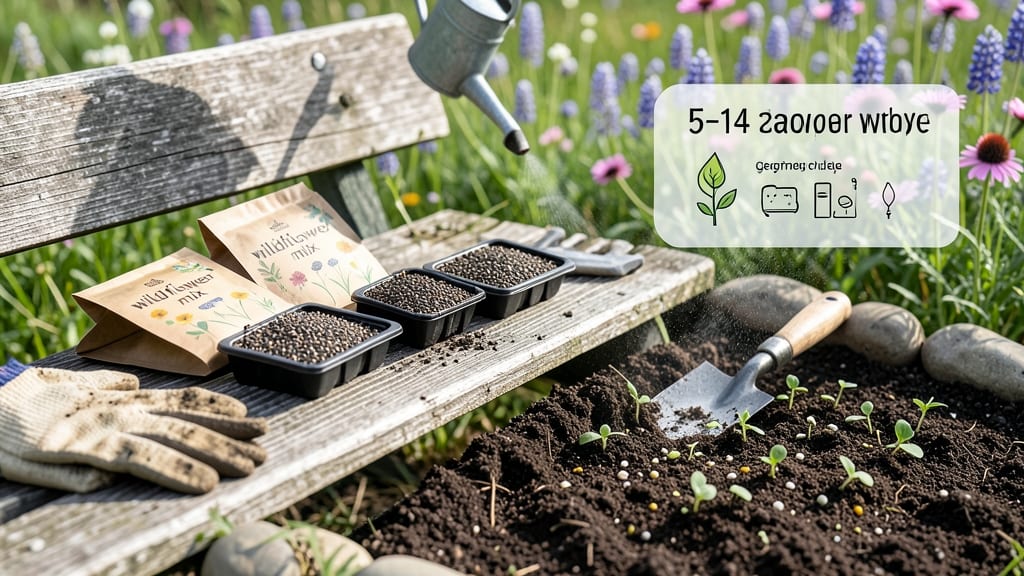
Wildflowers 🌼 can sprout in as little as 3 days or take up to 14 days—the difference often comes down to seed type, soil, and a few simple tricks most gardeners miss.
If you’ve ever stared at a freshly planted wildflower bed, willing those tiny seeds to break the surface, you know the wait can feel endless. But with the right conditions, you can cut that time in half—sometimes even faster for quick-sprouting varieties like cosmos or zinnias.
Soil temperature is the most critical factor: most wildflower seeds need warmth between 60°F and 75°F to germinate. Too cold, and they’ll stall; too hot, and they might dry out before sprouting. Moisture matters just as much—keeping the soil consistently damp (not soggy) speeds things up without risking rot.
Below, I’ll break down the exact conditions for fastest germination, how to troubleshoot delays, and which wildflowers break the surface in record time. Ready to see those first green shoots sooner?
Wildflower germination timeline: what to expect by seed type
If you’ve ever scattered wildflower seeds hoping for a burst of color, you know the anticipation of waiting for those first tiny green shoots. The good news?
Some wildflowers pop up in as little as 3 days, while others take up to 6 weeks—but understanding the differences can help you set realistic expectations.
Annual wildflowers like cosmos and zinnias are the speed demons of the garden, while perennials like black-eyed susans and coneflowers play the long game. Let’s break down what to expect based on seed type and how to give them the best start.
Temperature is the biggest factor in germination speed. Most wildflower seeds need soil temperatures between 60°F and 85°F to sprout. Cooler spring or fall soils can stretch germination from 7 days to 3 weeks, while warm summer conditions may trigger faster results in just 3 to 7 days.
Moisture also plays a critical role—consistent dampness (not soggy) keeps seeds from drying out, while fluctuating moisture can cause them to give up and rot before sprouting.
Soil type matters too. Wildflowers thrive in well-draining soil with a mix of sand, silt, and organic matter. Heavy clay soils can suffocate seeds, delaying germination by 1 to 2 weeks, while loose, airy soil lets roots establish quickly.
If your soil is compacted, amending it with compost or sand before planting can cut your wait time in half.
Here’s a quick look at how different wildflower types compare in the sprouting race:
| Wildflower Type | Germination Time | Ideal Soil Temp (°F) | Best Planting Time | Notes |
|---|---|---|---|---|
| Cosmos | 3–7 days | 70–85°F | Spring or fall | Fastest sprouter; loves heat |
| Zinnias | 5–10 days | 65–80°F | After last frost | Thrives in full sun; drought-tolerant |
| Sunflowers | 7–14 days | 60–75°F | Spring or early summer | Needs deep, fertile soil |
| Black-Eyed Susans | 14–21 days | 65–75°F | Early spring or fall | Perennial; slower but long-lived |
| Coneflowers | 10–28 days | 60–70°F | Spring or fall | Drought-resistant; attracts pollinators |
| Lupines | 21–42 days | 55–65°F | Fall (best for cold climates) | Needs well-draining soil; perennial |
Annual wildflowers like cosmos and zinnias are the champions of speed, often sprouting within a week if conditions are perfect. These sun-loving plants are perfect for quick color and are ideal if you’re impatient for results.
Perennials, on the other hand, take longer to germinate but reward you with years of blooms. Black-eyed susans and coneflowers, for example, can take 2 to 3 weeks to sprout but return every year with minimal effort.
Light exposure also impacts germination. While most wildflower seeds don’t need light to sprout (they’re non-photoblastic), keeping them in a warm, dark place for the first few days can encourage faster root development.
Once sprouts appear, move them to bright, indirect light for 2–3 days before transplanting to full sun. This gradual transition helps prevent shock and ensures steady growth.
If you’re planting in cooler climates or during shoulder seasons, consider using a seedling heat mat or covering your planting area with a clear plastic dome to trap warmth. This can shave off 5 to 10 days from germination time by keeping soil temps consistently warm.
Just be sure to remove the cover once sprouts emerge to prevent overheating or mold.
Moisture is another critical factor—overwatering can drown seeds, while underwatering causes them to dry out. Aim for consistent dampness, not soggy soil. A simple trick? Water lightly every 2–3 days and check the top inch of soil with your finger.
If it’s dry, it’s time to water again. For faster results, use a spray bottle to mist seeds gently, which mimics natural rainfall and keeps them hydrated without disturbing them.
Patience is key, but knowing what to expect takes the guesswork out of wildflower gardening. Whether you’re growing fast-blooming cosmos or long-lived coneflowers, understanding these timelines helps you plan your garden layout and care routine.
Next, we’ll dive into 5 proven methods to speed up sprouting—because who doesn’t want those first green shoots even sooner? 🌱
5 Proven methods to speed up wildflower sprouting in days
Waiting for wildflower seeds to sprout can feel like an eternity, but with the right techniques, you can cut germination time nearly in half. The key lies in mimicking natural conditions while giving seeds that extra boost they need.
Whether you're growing cosmos, black-eyed susans, or lupines, these methods work for most species when applied correctly. The fastest results come from combining multiple techniques—like pre-soaking seeds and using warmth—rather than relying on just one approach.
Not all wildflowers respond the same way to these methods. For example, annual wildflowers like zinnias often sprout in 3-7 days with proper treatment, while perennial varieties such as coneflowers may take 10-14 days.
Always check seed packets for specific recommendations, but these universal tricks will give you a head start regardless of the species you're growing.
- 1. Pre-soak seeds in warm water for 6-12 hours before planting. This triggers hydration and can reduce sprouting time by 30-50% for species like cosmos and marigolds.
- 2. Use seed starter gel or moistened paper towels to create a humid environment. Place seeds between layers and keep at 70-75°F for 2-3 days—ideal for slower germinators like black-eyed susans.
- 3. Warm the soil to 70-80°F using a seedling heat mat or black plastic mulch. This accelerates metabolism in seeds, cutting germination time by up to 50% for species like zinnias.
- 4. Provide bright, indirect light (12-14 hours/day) using grow lights. Avoid direct sun until seedlings emerge to prevent drying. This method works best for shade-tolerant wildflowers like asters.
- 5. Plant seeds no deeper than 2x their width in well-draining soil. Over-deep planting can delay sprouting by up to 2 weeks, especially for tiny seeds like poppies. Lightly cover with compost or vermiculite instead.
One of my favorite tricks is combining pre-soaking with a seedling heat mat. I’ve seen cosmos seeds sprout in just 3 days using this combo, compared to the usual 7-10 days.
For larger seeds like lupines, I skip pre-soaking and focus on keeping the soil consistently moist and warm. Always monitor moisture levels—overwatering can cause seeds to rot before they sprout, while underwatering halts germination entirely.
If you're growing wildflowers in containers, opt for a lightweight seed-starting mix rather than garden soil. The finer texture retains moisture better and allows roots to establish faster. For outdoor beds, mix in compost or coconut coir to improve drainage and aeration.
Remember, the goal is to create an environment where seeds feel like they’re in their natural habitat—warm, moist, and protected.
Patience is key, but these methods will give you the fastest results. Start with easy-to-germinate species like zinnias or sunflowers to test your approach before tackling slower varieties.
Once you see those first green shoots, you’ll know you’re on the right track—and your wildflower meadow will be in full bloom sooner than you think! 🌱