
How To
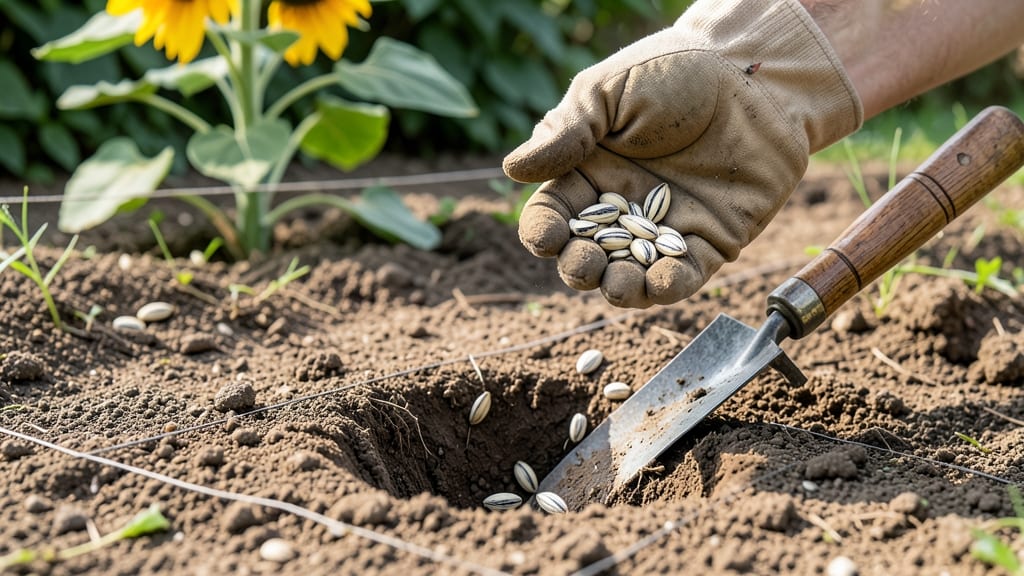
Planting one or two sunflower seeds per hole is the first step toward towering 🌻 stalks that steal the show in your garden — but get it wrong, and you’ll end up with a patch of weak, scraggly stems instead.
If you’ve ever watched your sunflowers struggle to reach their full height, the issue might be hiding in how you’re planting them. Too many seeds in one spot? You’ll battle for space and nutrients. Too few? You waste seeds and miss out on those 10-foot giants you’ve been dreaming of.
Here’s the secret: the right number of seeds per hole, paired with proper depth and spacing, can mean the difference between a stunted plant and one that stretches toward the sky. I’ll walk you through the exact method—plus common mistakes to avoid so your sunflowers grow tall and proud.
You’ll learn how deep to plant, why thinning matters, and the best spacing for maximum height—so you can finally grow sunflowers that make your neighbors jealous.
Optimal sunflower seed count per hole: science-backed planting ratios
Sunflowers are nature’s skyscrapers, but their towering growth starts with a simple decision: how many seeds to drop into each hole. Most gardeners assume one seed per hole is standard, but planting two seeds per hole can actually boost your success rate.
The key lies in understanding germination rates and competition dynamics—both of which directly impact your final stalk height and bloom size.
Sunflower seeds typically have a 70-90% germination rate when planted in optimal conditions. However, soil temperature, moisture, and seed freshness can drop that rate to as low as 50% in less-than-ideal scenarios.
Planting two seeds per hole acts as an insurance policy, ensuring at least one strong seedling emerges even if one fails to sprout. This strategy is especially valuable for beginner gardeners or those planting in cooler climates.
The spacing between holes is just as critical as the seed count. For standard sunflower varieties (6-14 feet tall), space holes 6-12 inches apart in rows that are 2-3 feet apart. This spacing prevents overcrowding, which leads to weak stems and disease susceptibility.
When planting two seeds per hole, you’ll need to thin seedlings later, but the trade-off is worth it for that extra insurance.
Thinning is the secret weapon in sunflower cultivation. Once seedlings reach 4-6 inches tall, carefully thin them to leave the strongest, most vigorous plant per hole. Use sharp scissors or your fingers to snip or pull the weaker seedling at the base. This step might feel cruel, but it redirects the plant’s energy toward a single, robust stalk instead of competing for resources.
Here’s the science behind why spacing matters: Sunflowers need plenty of air circulation to prevent fungal diseases like powdery mildew. Crowded plants create a humid microclimate where spores thrive. Proper spacing also ensures each plant gets maximum sunlight exposure, which is critical for those giant blooms you’re dreaming of.
A single sunflower in a 6-inch radius will grow 20-30% taller than one fighting for space with neighbors.
For dwarf varieties (1-3 feet tall), you can reduce spacing to 4-6 inches between holes since they won’t grow as tall. However, even with dwarf sunflowers, planting two seeds per hole gives you flexibility.
If one seed fails to germinate, you won’t have bare spots in your garden bed. This method is particularly useful for container gardening, where space is limited and every seed counts.
Pro tip: If you’re growing sunflowers for seed production, consider planting three seeds per hole. Once the plants reach 12 inches tall, thin to the two strongest stalks. The extra plant provides pollination support, which can increase seed yield by up to 15%.
Just be sure to thin aggressively to avoid overcrowding, as this is the most common mistake gardeners make when aiming for seed harvests.
Remember, sunflowers are fast growers, and their early development sets the stage for their final height. By planting two seeds per hole and thinning properly, you’re giving your sunflowers the best possible start.
This method might require a little extra effort upfront, but the payoff is taller stalks, healthier blooms, and a garden that truly lives up to its potential.
Now that you’ve mastered the seed count, your next challenge is planting depth—stay tuned for our next section on how deep to bury those seeds for maximum germination speed and stalk robustness. Your sunflower giants are one planting technique away from taking over your garden! 🌻
Planting depth secrets: how deep to bury sunflower seeds for giant growth
Sunflowers thrive when planted at the right depth—too shallow and they struggle to anchor, too deep and they suffocate. The ideal planting depth for sunflower seeds is 1 to 2 inches, where moisture and warmth create perfect germination conditions.
This depth balances stability and access to sunlight, ensuring your stalks grow taller and stronger from the start.
Soil temperature plays a critical role in germination speed. Sunflower seeds need soil that’s at least 55°F (13°C) for optimal sprouting. If your soil is cooler, wait until late spring when the ground warms naturally.
A simple soil thermometer can help you track progress—warmer soil = faster germination and more robust seedlings.
Moisture control is just as important as depth. After planting, keep the soil consistently moist but not soggy. Overwatering can drown seeds, while dry soil halts growth.
A light misting every 2-3 days maintains ideal conditions, especially during dry spells. Mulching with straw helps retain moisture while preventing crusting that can smother young sprouts.
🌱 Sunflower Planting Depth Checklist
- 📏 1-2 inches deep for standard varieties (adjust to ½ inch for dwarf types)
- 🌡️ Wait for 55°F+ soil—use a thermometer if unsure
- 💧 Keep soil moist (not waterlogged) with daily misting until sprouts appear
- 🌿 Thin seedlings to 1 plant per hole when they’re 3-4 inches tall
- 🌞 Space rows 2-3 feet apart to prevent overcrowding and disease
Shallow planting (less than 1 inch) risks exposing seeds to drying winds and temperature swings. Deep planting (more than 2 inches) can delay germination by weeks, as seeds struggle to push through compacted soil.
The 1-2 inch range strikes the perfect balance, ensuring your sunflowers emerge quickly and grow straight toward the sun.
For giant varieties like 'Mammoth' or 'Russian Giant', prioritize deeper planting (closer to 2 inches) to support their massive root systems. These towering stalks need strong anchors to reach 10+ feet tall.
In contrast, dwarf varieties (3-4 feet) can handle shallower depths, but consistency is key—stick to 1 inch for uniform growth.
Pro tip: Use your finger to gauge depth—press seeds into soil until they’re covered by twice their width. This simple trick ensures every seed gets the right amount of burial.
With proper depth, your sunflowers will sprout within 7-14 days and reward you with sun-drenched giants by summer’s end. 🌻