
Planting
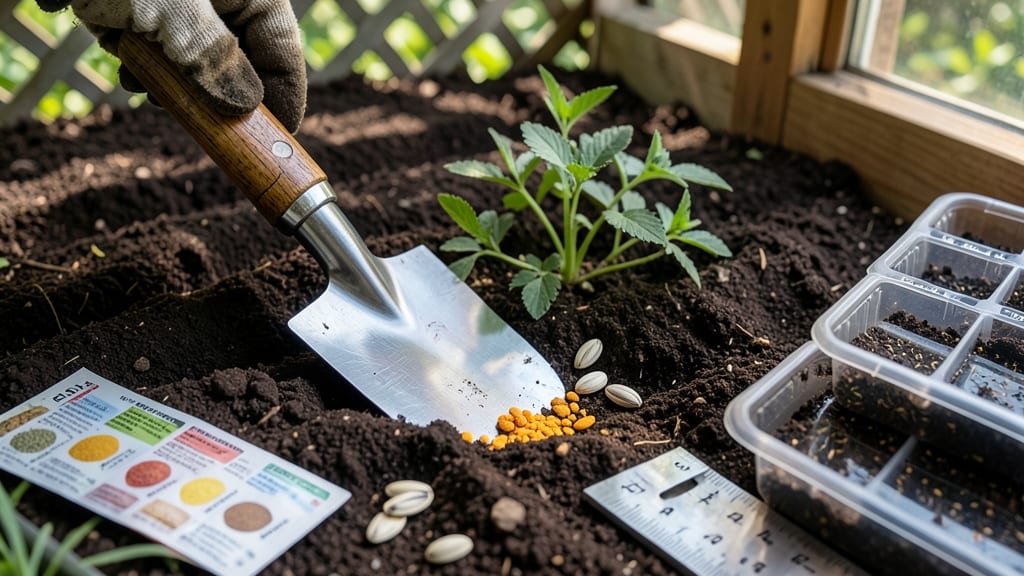
How deep to plant flower seeds is the secret to unlocking a garden full of vibrant blooms 🌸 — and most gardeners get it wrong without even realizing it.
If you’ve ever watched your carefully planted flower seeds refuse to sprout, you’re not alone. The issue might be how deep—or shallow—they’re buried. Too deep, and they’ll struggle to break through the soil; too shallow, and they’ll dry out before germinating.
The solution? A simple rule that works for nearly every type of flower seed, plus a few exceptions for the picky ones.
In this guide, I’ll break down the exact planting depths for popular flowers, from tiny petunias to large marigolds, and share the one trick that boosts germination rates by up to 30%.
You’ll also learn how soil type, seed size, and even your climate can tweak the ideal depth—so you can finally stop guessing and start growing.
Ready to transform your seed-starting success? Let’s dive into the science-backed depths that will have your flowers popping up faster and stronger than ever.
Exact flower seed planting depths by seed type for maximum germination
Planting flower seeds at the right depth is like giving them a perfect starter home—too shallow, and they dry out; too deep, and they struggle to reach sunlight. The key lies in understanding your seed size and matching it to the ideal planting depth.
Most seeds need to be buried at a depth 2-3 times their diameter, but tiny seeds like petunias or snapdragons often just need light coverage, while larger seeds like beans or marigolds can handle deeper planting.
Let’s break it down by size for 20+ popular flowers and unlock the secret to stronger, faster germination.
Why does depth matter so much? Seeds need moisture and warmth to germinate, but they also require light or air to break through the soil. Tiny seeds often contain less stored energy, so they can’t afford to be buried too deep.
Meanwhile, larger seeds have more resources to push through denser soil. The rule of thumb is simple: small seeds = shallow planting, and large seeds = deeper burial. But there are always exceptions—like self-sowing flowers or bulbs, which have their own unique needs.
Here’s where things get practical. Imagine you’re planting cosmos seeds, which are barely visible to the naked eye. These tiny seeds should only be pressed 1/8 inch deep into the soil—about the thickness of a credit card.
On the other hand, sunflower seeds, which are much larger, can be planted 1 inch deep, roughly the width of a quarter. These comparisons make it easy to gauge depth without guesswork.
Below, you’ll find a science-backed guide with exact measurements for popular flowers, categorized by seed size for quick reference.
Now that you have the exact depths for each seed type, let’s talk about how to execute this perfectly. Start by preparing your soil—loosen it to a depth of at least 2 inches to give roots room to grow.
For tiny seeds, use a fine mesh sieve to create a smooth, even layer of soil, then gently press the seeds into place. For larger seeds, use a dibber or pencil to create holes at the correct depth.
This ensures consistency and prevents overcrowding. After planting, water gently but thoroughly to settle the soil and provide the moisture seeds need to germinate.
One of my favorite tricks is using household objects as depth guides. A credit card is perfect for tiny seeds (1/16 inch), while a dime works for small seeds (1/8 inch). For medium seeds, a quarter gives you that 1/2-inch mark, and a nickel
5 Common mistakes that kill flower seed germination (and how to fix them)
Even the most enthusiastic gardeners can accidentally sabotage their flower seeds before they ever sprout. One of the biggest culprits? Planting them at the wrong depth. Too shallow, and seeds dry out or get baked by sun.
Too deep, and they struggle to reach light, starving for energy. I’ve lost count of how many petunia and marigold seeds I’ve buried too deep—only to watch them rot underground.
But here’s the good news: fixing these mistakes is easier than you think. Most issues boil down to three simple rules: know your seed size, loosen the soil, and keep moisture consistent.
Let’s dive into the top 5 depth-related mistakes and how to correct them—so you can finally see those sprouts you’ve been waiting for.
Plant seeds at a depth equal to 2-3 times their diameter. Tiny seeds (like pansies) need just 1/8" coverage, while large seeds (like sunflowers) should go 1-2" deep. Always check the seed packet—some need light to germinate!
Mistake #1: Over-Planting Delicate Seeds Delicate seeds like cosmos or zinnia need space to breathe. When you crowd them, they compete for nutrients and light, leading to weak, leggy seedlings. I once planted 100 cosmos seeds in a 12-inch pot and ended up with 50 spindly sprouts fighting for survival.
The fix? Thin them out as soon as they sprout to 2-3 inches apart, or start them in individual cells.
Mistake #2: Burying Large Seeds Too Shallow Large seeds like beans or dahlias need more depth to store energy for germination. Planting them too shallow exposes them to drying out or being eaten by birds.
I learned this the hard way with dahlia tubers1 inch deep meant they rotted before sprouting. The correct depth? Twice the seed’s width, so 1-2 inches deep for most large seeds.
Mistake #3: Soil Compaction Packed-down soil blocks airflow and water absorption, suffocating seeds. If your soil feels hard like a brick after watering, it’s time to fix it. I use a hand fork to loosen the top 4-6 inches of soil before planting.
For containers, mix in perlite or vermiculite to improve drainage. Fluffy soil = happy seeds!
Mistake #4: Inconsistent Moisture Seeds need consistent moisture to germinate, but overwatering can drown them. I’ve seen snapdragons seeds rot because I kept them soggy. The solution?
Use a spray bottle to mist seeds lightly, then cover with plastic wrap to retain humidity. Once sprouts appear, switch to bottom-watering to avoid disturbing them.
Mistake #5: Ignoring Seed Packet Instructions Always double-check the seed packet for depth guidelines—some seeds, like lobelia, need to be pressed barely into the soil and barely covered. Others, like poppies, need light to germinate and should only be dusted on top.
Skipping this step is like guessing your plant’s care routine—it rarely ends well. Pro tip: Bookmark the packet or take a photo before planting!